The Ultimate Skincare Routine for Hormonal Acne: A Cycle-Syncing Guide
Hormonal acne doesn't follow a predictable calendar — but your skincare routine can. If you've ever noticed your skin breaking out like clockwork the week before your period, only to calm down again right after, you're not imagining it. By understanding how your hormones shift throughout your cycle and making small but strategic adjustments to your skincare, you can get ahead of breakouts before they even appear. Here's your complete, science-backed guide to cycle-syncing your skincare for clearer, calmer skin all month long.
Table of Contents
What Is Hormonal Acne? (And Why Your Cycle Matters)
Hormonal acne is exactly what it sounds like — acne triggered or worsened by hormonal fluctuations. Unlike the surface-level whiteheads you might get from a heavy moisturizer, hormonal acne tends to present as deep, painful cysts concentrated around the jawline, chin, and lower cheeks. It's often stubborn, resistant to topical treatments alone, and flares in a pattern that lines up with your menstrual cycle.
Here's what's happening under your skin: androgens — including testosterone — are present in all bodies regardless of gender, and they directly stimulate sebaceous glands to produce more sebum (oil). When androgen activity increases, so does oil production. Excess sebum mixes with dead skin cells, clogs pores, and creates the perfect environment for Cutibacterium acnes bacteria to thrive. The result? Inflamed, tender breakouts that seem to appear out of nowhere.
Throughout your menstrual cycle, estrogen and progesterone rise and fall in a predictable rhythm — and each shift directly impacts your skin. Estrogen, which peaks around ovulation, is generally skin-friendly: it stimulates collagen and hyaluronic acid production, keeps skin hydrated and plump, and helps control oil production. Progesterone, which dominates the luteal phase (the week before your period), does the opposite — it can increase sebum production and cause skin to retain water, making pores appear larger and more prone to clogging.
Key Takeaway: Your skin isn't inconsistent — it's responding to a hormonal cycle. The goal of cycle-syncing is to match your skincare actives to your skin's changing needs throughout the month, rather than fighting against your biology.
The 4 Phases of Your Cycle — And What Each Means for Your Skin
Before diving into the routines, it's helpful to understand what's happening in each phase. Here's a snapshot of the four phases and what they mean for your complexion:
| Phase | Days (Approx.) | Dominant Hormone | Skin Behavior | Skincare Focus |
|---|---|---|---|---|
| Menstrual | 1–5 | Low estrogen & progesterone | Sensitive, dry, barrier-compromised, dull | Gentle cleansing, hydration, barrier repair |
| Follicular | 6–13 | Rising estrogen | Calm, normal, receptive to actives | Light exfoliation, brightening, maintenance |
| Ovulation | 14–16 | Peak estrogen + LH surge | Glowy, firm, maybe slightly oily | Maintain, add niacinamide for oil control |
| Luteal | 17–28 | Rising progesterone, then decline | Oily, acne-prone, congested, inflamed | Active acne prevention, BHA, oil control |
Phase-by-Phase Skincare Routine
🩸 Menstrual Phase (Days 1–5): Gentle + Barrier-First
During your period, estrogen and progesterone are at their lowest. This means your skin's natural oil production is at its minimum, and the skin barrier can feel more fragile than usual. You might notice dryness, sensitivity, and a general lack of that "glow." This is not the time to go hard on actives — your skin needs comfort and recovery.
AM Routine:
- Cleanser: Gentle, non-foaming cleanser or lukewarm water only
- Hydrating Toner: Look for glycerin, panthenol, or hyaluronic acid
- Moisturizer: Ceramide-rich formula to repair and lock in moisture
- Sunscreen: Mineral SPF 30+ (zinc oxide is soothing and non-irritating)
PM Routine:
- Oil-Based Cleanser: Gentle balm cleanser to remove sunscreen without stripping
- Hydrating Toner (same as AM)
- Barrier Cream: Richer moisturizer with ceramides, peptides, and squalane
- Skip All Actives: No BHA, AHA, or retinoids during this phase
Why This Works: This phase is about supporting your skin's natural repair processes, not forcing exfoliation. A compromised barrier makes acne worse in the long run by increasing inflammation and transepidermal water loss (TEWL).
🌱 Follicular Phase (Days 6–13): Maintenance + Brightening
This is often the "honeymoon phase" for your skin. Estrogen is climbing, which boosts collagen production, improves hydration, and keeps oil in check. Your skin is more resilient and receptive to active ingredients — this is the best window to introduce new products or ramp up your exfoliation game.
AM Routine:
- Gentle Cleanser
- Vitamin C Serum — brightens and provides antioxidant protection
- Light Moisturizer with hyaluronic acid
- Sunscreen SPF 30+
PM Routine:
- Gentle Cleanser
- AHA Exfoliant (2-3x per week): Lactic acid or mandelic acid for gentle brightening
- Niacinamide Serum — regulates oil and strengthens barrier
- Moisturizer

✨ Ovulation Phase (Days 14–16): Maintain + Start Oil Control
Estrogen peaks during ovulation, and your skin usually looks its best — plump, hydrated, and glowing. But as ovulation ends and progesterone starts to rise, oil production may begin creeping up. The play here is maintenance with a gentle pivot toward oil management.
AM Routine:
- Gentle Cleanser
- Vitamin C or Niacinamide Serum
- Light Gel Moisturizer
- Sunscreen SPF 30+
PM Routine:
- Double Cleanse: Oil-based balm + gentle water-based cleanser
- Niacinamide Serum — start ramping up for luteal phase
- Lightweight Moisturizer
⚠️ Luteal Phase (Days 17–28): Active Prevention Mode
This is crunch time. Progesterone is surging, sebum production is at its peak, and your pores are more likely to clog. This phase accounts for the majority of hormonal breakouts. Your goal: proactive, consistent treatment without over-stripping your skin.
AM Routine:
- Salicylic Acid Cleanser (2-3x per week) or gentle cleanser on off-days
- Niacinamide Serum — helps regulate oil production and calm inflammation
- Oil-Free Moisturizer
- Mineral Sunscreen SPF 30+
PM Routine:
- Double Cleanse
- BHA Exfoliant (2-3x per week): Salicylic acid to penetrate pores and dissolve congestion
- Azelaic Acid — anti-inflammatory, reduces post-acne marks
- Lightweight, Barrier-Supporting Moisturizer
Don't Skip Moisturizer: It's tempting to dry out your skin when breakouts appear, but stripping your barrier triggers more oil production — a vicious cycle. A lightweight, non-comedogenic moisturizer is essential even during the oiliest days of your luteal phase.
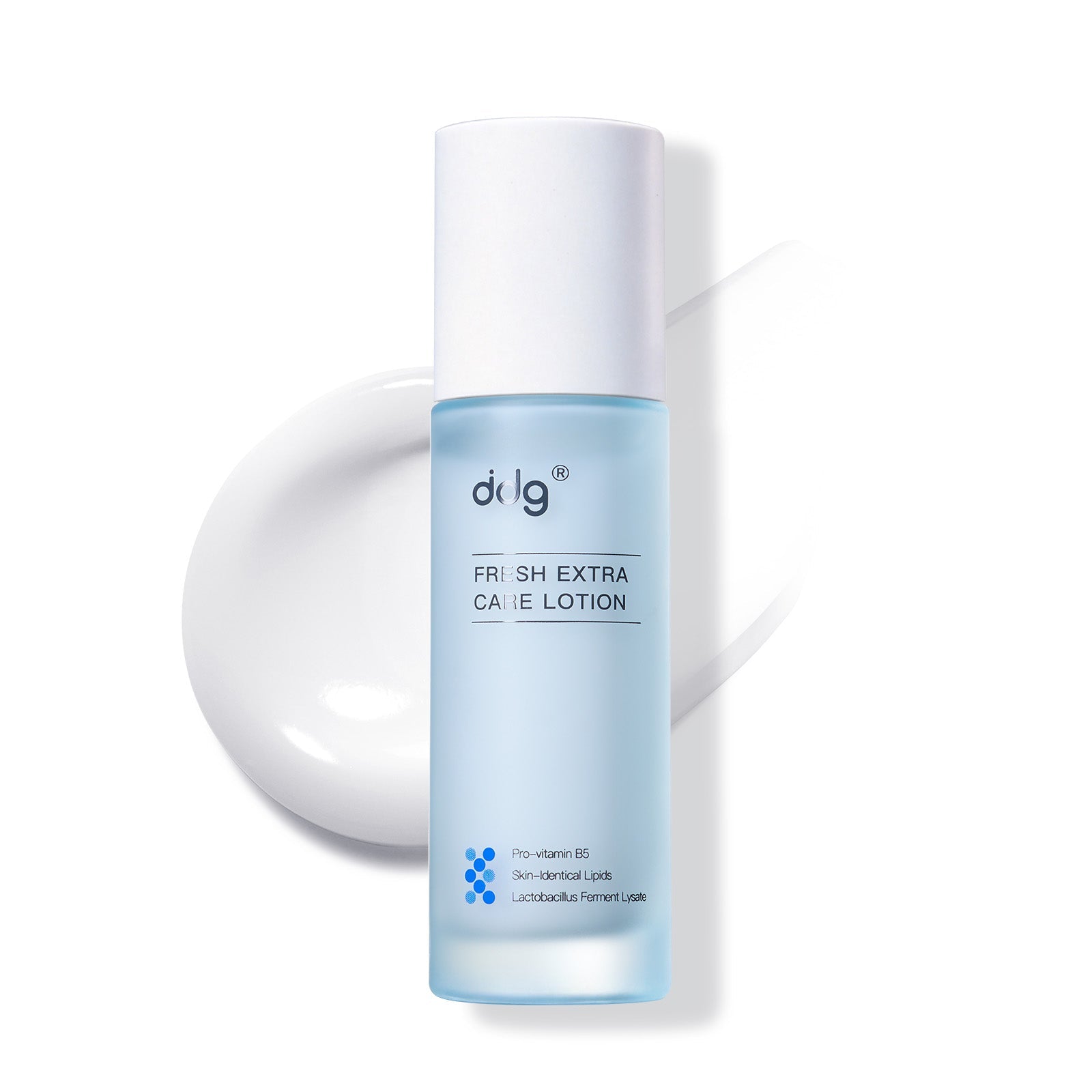
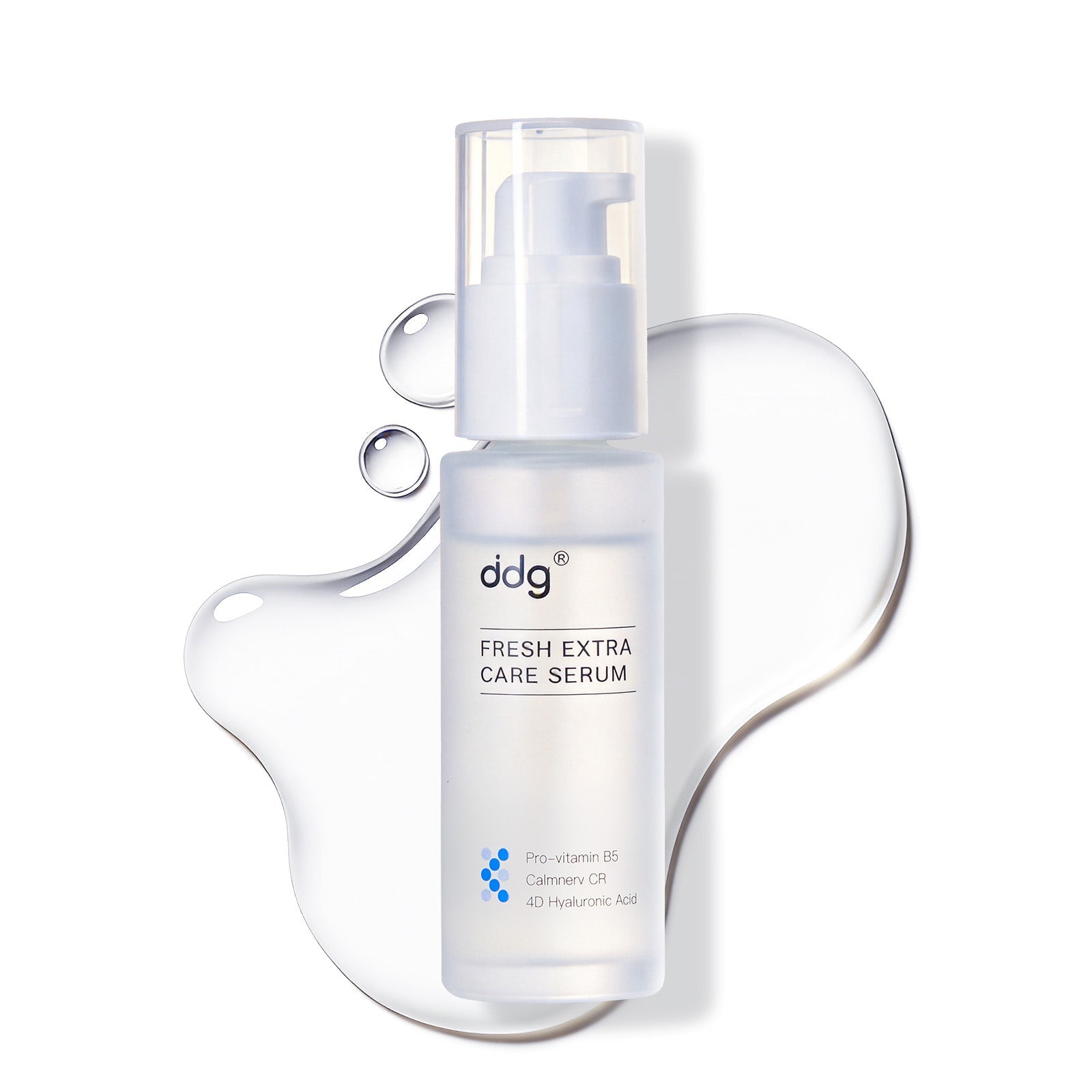
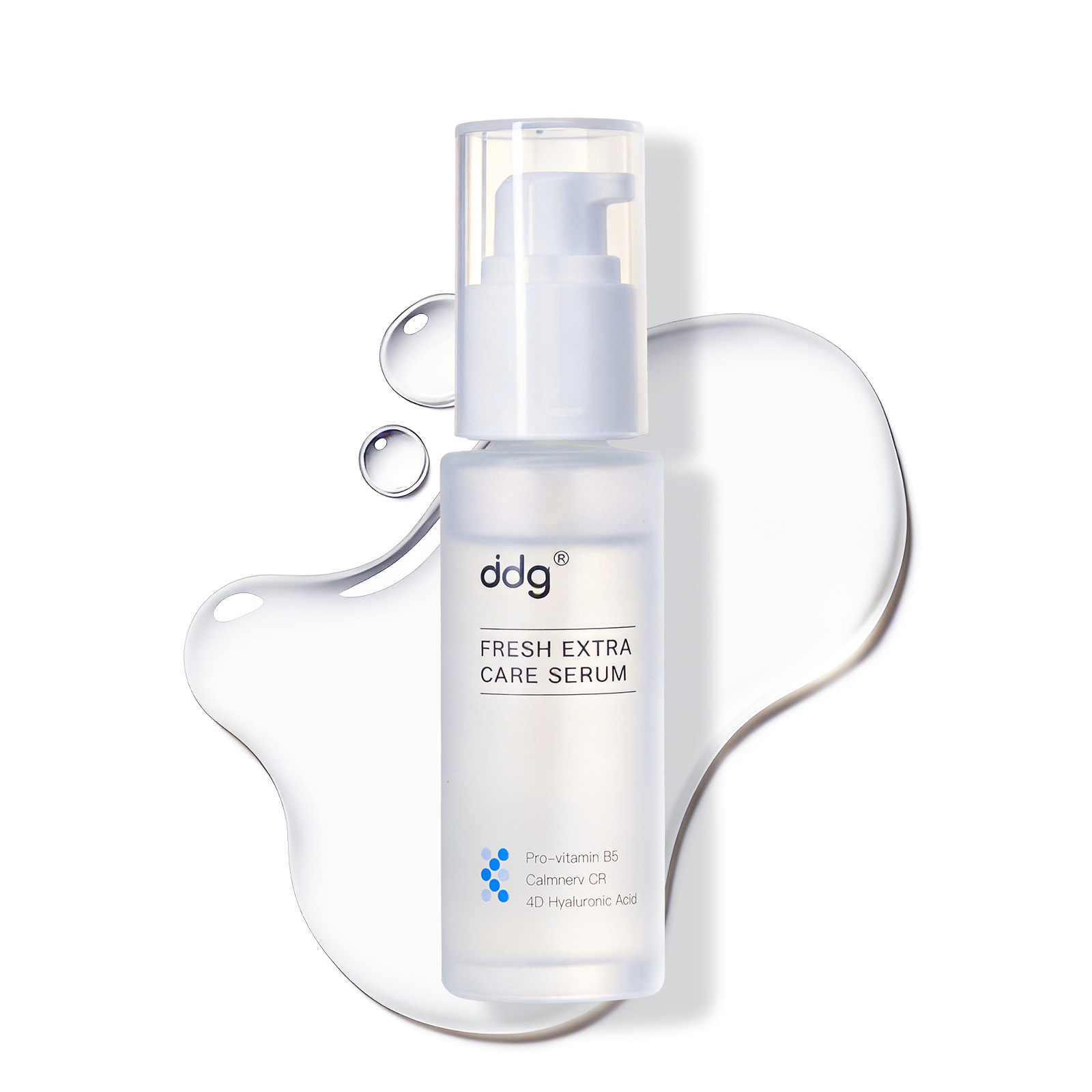
Building a routine that supports your skin through every phase requires products that work with your skin, not against it. A well-formulated set that covers hydration, barrier support, and active ingredients can simplify the process dramatically — you're not juggling 12 different products, just making small adjustments within a consistent framework.

ddg 28-Day Glass Skin Renewal Set
- Ceramide + Peptide + Hyaluronic Acid for four-dimensional care: hydration, moisture lock, soothing, and repair
- 15-minute visible redness relief; 28-day barrier renewal
- Lightweight, water-fresh texture absorbs quickly without clogging pores
Key Skincare Ingredients Cheat Sheet
Here's a quick-reference table so you know exactly which ingredients to reach for — and when:
| Ingredient | Best Phase | What It Does | How to Use |
|---|---|---|---|
| Salicylic Acid (BHA) | Luteal | Penetrates pores, dissolves oil and dead skin, prevents clogging | Cleanser or leave-on, 2-3x/week in luteal phase |
| Niacinamide | Ovulation & Luteal | Regulates sebum, strengthens barrier, anti-inflammatory | Serum, daily AM and PM |
| Azelaic Acid | Luteal | Anti-inflammatory, antibacterial, fades post-acne marks | Serum or cream, PM only |
| Lactic Acid (AHA) | Follicular | Gentle surface exfoliation, brightening, hydration | 2-3x/week PM during follicular phase |
| Vitamin C | Follicular | Antioxidant protection, brightens, supports collagen | Serum, AM only |
| Ceramides | Menstrual | Repair skin barrier, lock in moisture, reduce sensitivity | Moisturizer, AM and PM |
| Hyaluronic Acid | All phases | Deep hydration, plumps skin, supports barrier | Serum or moisturizer, AM and PM |
| Retinoids | Follicular (start slow) | Accelerates cell turnover, long-term acne prevention | PM only, 1-2x/week, never during menstrual phase |
6 Common Mistakes That Make Hormonal Acne Worse
Even with the best intentions, many people unknowingly sabotage their skin during breakout season. Here are the most common cycle-related skincare mistakes — and what to do instead:
- Over-Exfoliating During the Luteal Phase. When breakouts appear, the instinct is to scrub or acid-treat aggressively. But over-exfoliating damages your barrier, increases inflammation, and makes acne worse. Stick to BHA 2-3 times per week max, and always pair with barrier-supporting moisturizers.
- Skipping Moisturizer Thinking It'll Reduce Oil. Dehydrated skin produces more oil to compensate. A lightweight, oil-free moisturizer is non-negotiable in every phase — including the luteal phase when you feel oiliest.
- Using the Same Routine All Month. Your skin's needs change dramatically across your cycle. Using a BHA cleanser every day during your menstrual phase when your skin is dry and sensitive will only cause irritation. Adjust your actives to match your phase.
- Picking at Cystic Acne. Hormonal acne forms deep under the skin — there's nothing to "pop." Picking increases inflammation, delays healing, and dramatically raises the risk of post-inflammatory hyperpigmentation (PIH) and scarring. Use a spot treatment with salicylic acid or azelaic acid instead.
- Introducing Too Many New Products at Once. If you're starting cycle-syncing, introduce one new active per cycle. Your skin needs time to adjust, and using five new products at once makes it impossible to identify what's helping — or what's causing a reaction.
- Ignoring Lifestyle Factors. Hormonal acne isn't just about what you put on your skin. Sleep quality, stress levels (cortisol spikes can worsen breakouts), diet, and hydration all play significant roles. No skincare routine can fully compensate for chronic stress or poor sleep.
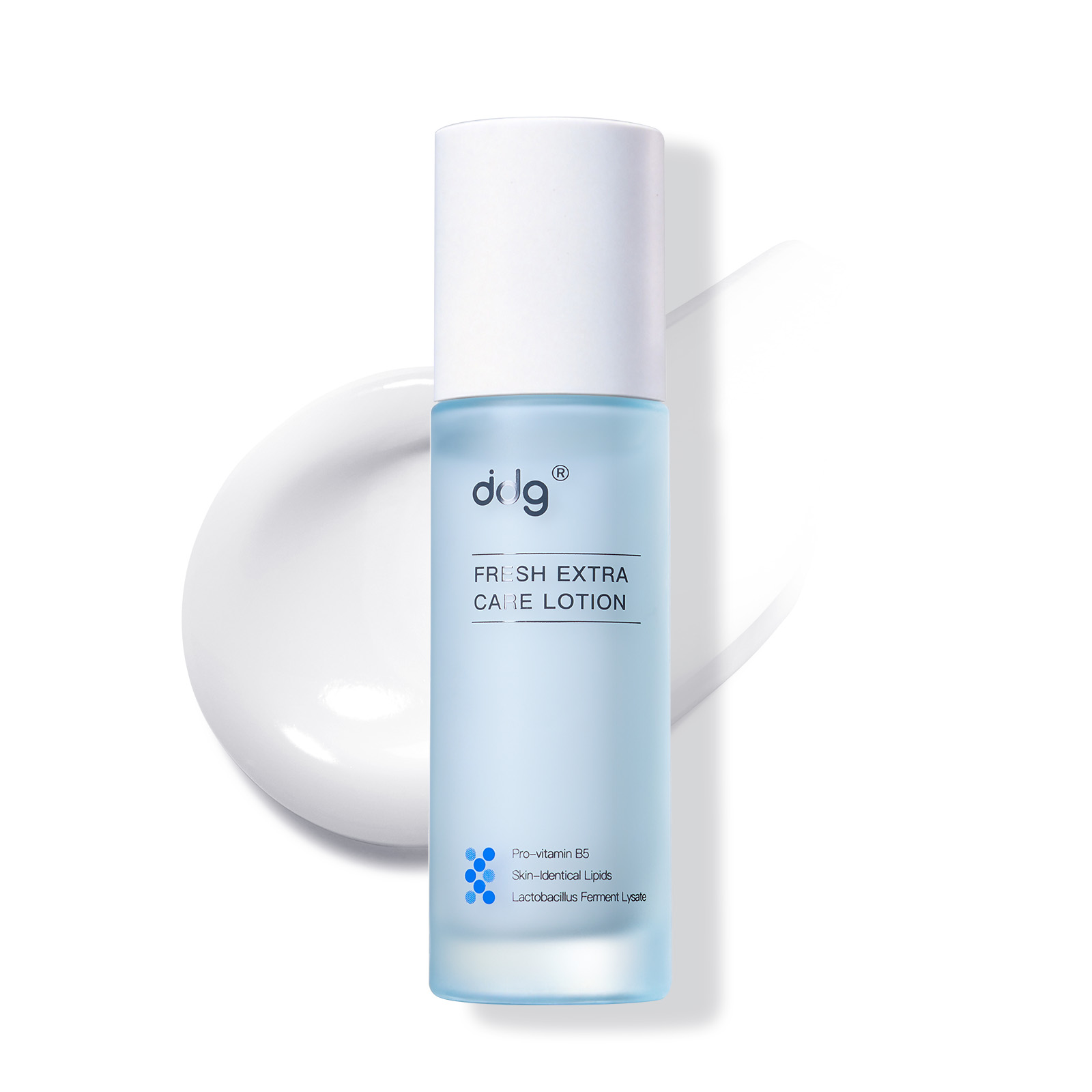
A healthy skin barrier is the foundation of every effective acne routine. When your barrier is intact, your skin can better tolerate active ingredients and heal faster after breakouts. This is especially true for those with hormonal acne, where inflammation is a constant underlying factor. Products formulated with ceramides, peptides, and gentle hydrators provide that foundational support without clogging pores or triggering new breakouts.
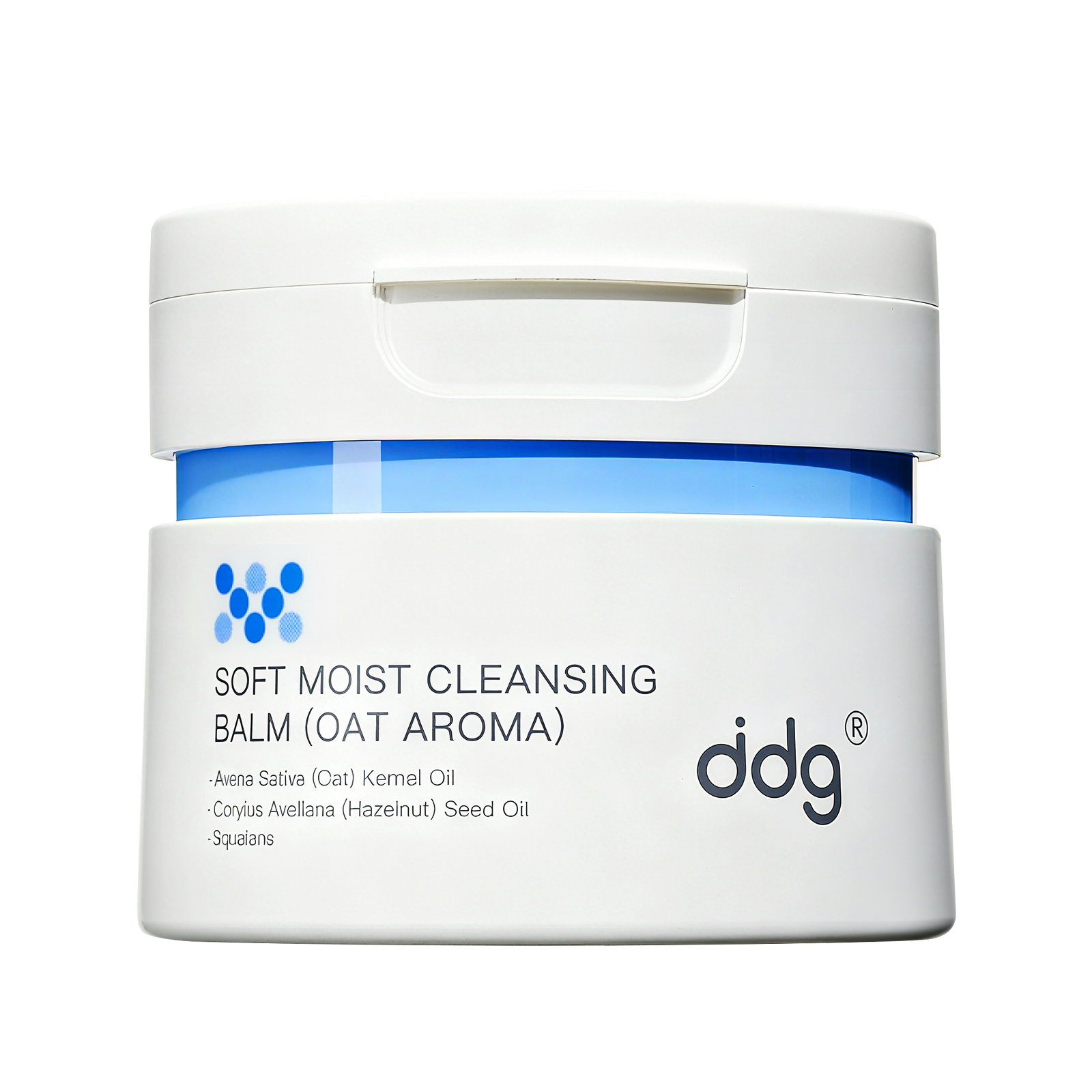
ddg Cleansing Balm
- Oat Kernel Oil nourishes and protects the skin barrier during cleansing
- 15-second quick makeup removal — no secondary cleanse required
- Magnetic spatula for hygienic, contamination-free use
- Gentle and non-irritating — safe for sensitive, acne-prone, and redness-prone skin
FAQ: Your Hormonal Acne Questions, Answered
What is hormonal acne and what causes it?
Hormonal acne is triggered by fluctuations in androgens (like testosterone) that ramp up sebum production, clog pores, and feed acne-causing bacteria. It typically appears along the jawline, chin, and lower cheeks, and flares in sync with your menstrual cycle — most commonly during the luteal phase (the week before your period).
How do I know if my acne is hormonal?
Hormonal acne tends to appear as deep, painful cysts concentrated on the lower face — jawline, chin, and neck. It often follows a predictable monthly pattern (flaring 7-10 days before your period), and doesn't respond well to topical treatments alone. If your breakouts align with your cycle and include tender, under-the-skin bumps, hormonal acne is likely the culprit.
Which phase of my cycle is worst for acne?
The luteal phase (days 17-28, the week before your period) is typically the worst. Progesterone surges after ovulation, which increases sebum production and causes pore lining cells to become stickier — a perfect storm for clogged pores and breakouts. This is when premenstrual hormonal acne peaks for most people.
Should I change my entire routine every week?
No — you don't need a completely different set of products each week. The core structure (cleanser, moisturizer, SPF) stays the same. What changes are the active ingredients you layer in: lighter exfoliation and brightening during the follicular phase, ramping up BHA and niacinamide during the luteal phase. Think of it as making small, strategic tweaks, not a full routine overhaul.
What ingredients are best for hormonal acne?
The most effective ingredients for hormonal acne include salicylic acid (BHA) to unclog pores, niacinamide to regulate oil production, azelaic acid to reduce inflammation and fade post-acne marks, and retinoids for long-term prevention. During the luteal phase, focus on salicylic acid and niacinamide; during the menstrual phase, prioritize barrier-repairing ingredients like ceramides and hyaluronic acid.
Can I use salicylic acid during my period?
It depends on your skin's sensitivity. During menstruation, estrogen and progesterone are at their lowest, which can make skin more sensitive and reactive. If your skin feels dry, tight, or irritated, scale back on exfoliating actives like salicylic acid and focus on hydration and barrier repair. If your skin tolerates it well, you can continue using a gentle BHA cleanser rather than a leave-on treatment.
Will birth control help clear my hormonal acne?
Certain combined oral contraceptives (those containing both estrogen and progestin) are FDA-approved for acne treatment and can be effective for hormonal acne by regulating androgen levels. However, results vary from person to person, and it can take 3-6 months to see improvement. Always consult a dermatologist or healthcare provider to determine if this is the right option for you.
How long does it take to see results from cycle-syncing my skincare?
Most people start noticing fewer and less severe breakouts within 1-2 full cycles (1-2 months) of consistent cycle-syncing. The key is consistency — tracking your cycle and adjusting your actives at the right time each month. For deeper cystic acne, full results may take 3 cycles as your skin adjusts to the rhythm of proactive treatment.
The Bottom Line: Hormonal acne can feel like an unfair monthly battle, but it doesn't have to control your confidence — or your skincare routine. By understanding your cycle, matching your ingredients to each phase, and using products that support your skin barrier rather than strip it, you can turn unpredictable breakouts into a predictable, manageable rhythm. At ddg, we believe skincare should work with your skin, not against it. Explore our full collection to find the products that fit your unique cycle and skin goals.