Can You Use Azelaic Acid Every Day? A Complete Guide to Building Tolerance
You just bought your first azelaic acid product. The tube says "apply once or twice daily" — but your skin flushes at the thought of using an active ingredient every single day. Sound familiar? The short answer is yes, you can use azelaic acid daily — and in fact, daily use is where it truly shines. But the path from "once a week" to "every day" requires a smart strategy. Here's exactly how to build tolerance, what timeline to expect, and how to know when to hit pause.
Table of Contents
- The Short Answer: Yes, But Build Up Slowly
- Why Azelaic Acid Is Uniquely Suited for Daily Use
- The 4-Week Tolerance Building Plan
- AM vs PM: When Should You Apply It?
- What to Expect: A Realistic Benefits Timeline
- 5 Signs You Need to Scale Back
- Combining Azelaic Acid with Other Actives Daily
- Frequently Asked Questions
- The Bottom Line

The Short Answer: Yes, But Build Up Slowly
Azelaic acid is one of the most well-tolerated active ingredients in skincare — far gentler than retinoids, AHAs, or benzoyl peroxide. That's why it's approved for daily use, even twice daily, in both OTC (10%) and prescription (15-20%) strengths.
Key Takeaway: Start with once daily (evening), 3-4 times per week. Build up to every evening over 2-4 weeks. Add a morning application only after your skin has fully adjusted — usually by week 4-6. Rushing daily use too fast is the #1 reason people quit azelaic acid prematurely.
Most people can tolerate daily azelaic acid within a month. But "can" doesn't mean "should immediately." The adjustment period exists for a reason — your skin needs time to acclimate to any active ingredient, no matter how gentle.
Why Azelaic Acid Is Uniquely Suited for Daily Use
Unlike many active ingredients that demand strict "cycling" schedules (looking at you, retinol), azelaic acid has several properties that make daily use not just possible, but often ideal:
1. It's Naturally Anti-Inflammatory
Azelaic acid reduces inflammatory cytokines — the same signaling molecules that drive redness, rosacea flare-ups, and post-acne marks. This means it actively calms your skin while treating it, rather than causing the irritation-and-repair cycle that retinoids trigger.
2. No Sun Sensitivity (Unlike AHAs and Retinoids)
Azelaic acid doesn't thin the stratum corneum or increase photosensitivity the way AHAs and retinoids do. While you should still always wear SPF (it's non-negotiable), you're not gambling with sun damage by using it in the morning.
3. It's a Multi-Target Molecule
Unlike single-purpose actives, azelaic acid works on at least four pathways simultaneously: it's antibacterial (targets C. acnes), anti-inflammatory (calms redness), a tyrosinase inhibitor (fades dark spots), and a gentle keratolytic (unclogs pores). Daily use lets all four mechanisms work continuously rather than in stop-start bursts.
4. Minimal Systemic Absorption
Azelaic acid stays largely on the skin's surface and in the upper epidermis. It doesn't penetrate deeply enough to cause the systemic side effects that make some prescription topicals risky for daily application.
The 4-Week Tolerance Building Plan
This graduated schedule minimizes the initial tingling, dryness, and itching that ~15-20% of new users experience. Follow it exactly for the first month, even if your skin feels fine — overconfidence in week 1 is the most common pitfall.
| Week | Frequency | Application Time | What to Watch For | Key Rule |
|---|---|---|---|---|
| Week 1 | 3x per week (Mon/Wed/Fri) | PM only, after moisturizer | Mild tingling (1-5 min), slight dryness | Use the sandwich method: moisturizer → azelaic acid → moisturizer |
| Week 2 | 4-5x per week (every other day) | PM only, before moisturizer | Tingling should decrease; possible 1-2 small whiteheads (normal purge) | If irritation increases, drop back to Week 1 frequency |
| Week 3 | 5-6x per week (daily with 1-2 rest days) | PM only, before moisturizer | Tingling should be gone or nearly gone; skin texture improving | Rest days are not failure — they're strategic recovery |
| Week 4+ | Daily (7x per week) | PM, consider adding AM | No irritation; visible improvements beginning | Add AM application only after 1 full week of comfortable PM daily use |
AM vs PM: When Should You Apply It?
Once you've built tolerance, azelaic acid can be used in either your morning or evening routine — or both. But there are strategic reasons to prefer each time slot.
| Factor | Morning (AM) | Evening (PM) |
|---|---|---|
| Best for | Antioxidant protection, redness control throughout the day, pairing with Vitamin C | Overnight acne treatment, PIH fading, pairing with retinol (alternate nights) |
| Texture compatibility | Plays well under sunscreen and makeup; slight mattifying effect | No cosmetic concerns; can layer with richer moisturizers |
| Common pairings | Vitamin C, niacinamide, hyaluronic acid, SPF | Retinol (alternate nights), peptides, ceramides, heavy moisturizers |
| Watch out for | Itching if applied immediately before makeup (wait 5 min) | Pilling if layered over too many products (keep PM routine streamlined) |
| Ideal schedule | If you're using Vitamin C in the AM | If you're using retinol in the PM (alternate nights) |
For most beginners, PM-only is the safest starting point. It gives your skin 8 hours of uninterrupted treatment and avoids any daytime tingling or texture concerns. Once you've comfortably used it every evening for a full week, you can experiment with a morning application.
What to Expect: A Realistic Benefits Timeline
Daily use doesn't mean overnight results. Here's what the clinical data and real-world experience tell us about the azelaic acid timeline:
| Timeframe | Acne Improvements | Redness & Rosacea | Hyperpigmentation |
|---|---|---|---|
| Week 1-2 | Reduced oiliness; possible mild purging | Mild reduction in background redness | No visible change (too early) |
| Week 3-4 | Fewer new breakouts; existing acne healing faster | Noticeable reduction in flushing episodes | Very subtle brightening (you'll notice first) |
| Week 4-8 | ~50-60% reduction in inflammatory lesions (per clinical data) | ~40-50% reduction in erythema; fewer rosacea papules | Dark spots beginning to fade at edges |
| Week 8-12 | ~70-80% reduction; skin texture significantly smoother | Visible reduction in persistent redness; skin tone more even | PIH/PIE visibly lighter; new marks fade faster |
| 3-6 Months | Maintenance mode: mostly clear with occasional small breakouts | Rosacea well-controlled with continued use | Stubborn dark spots 50-70% faded; overall complexion brighter |
Important: Azelaic acid is a long game, not a quick fix. Studies show peak results at 12-16 weeks for acne and 12-24 weeks for hyperpigmentation. The people who see the best results are the ones who stick with daily use past the 8-week mark.
5 Signs You Need to Scale Back
Daily use isn't a badge of honor — it's a tool. If your skin is sending distress signals, listen. Here's how to distinguish normal adjustment from a genuine problem:
| Symptom | Normal (Keep Going) | Red Flag (Scale Back) |
|---|---|---|
| Tingling / Itching | Mild, lasts <5 min after application, fading by week 2 | Intense, lasts >30 min, or gets worse over time |
| Redness | Slight pink flush that fades in 15-20 min | Persistent redness, burning sensation, visible inflammation |
| Dryness / Peeling | Subtle flaking that moisturizer handles easily | Visible peeling, tightness, rough texture that makeup catches on |
| Breakouts | Small whiteheads in usual breakout zones (purging) | Cystic acne, breakouts in new areas, or worsening after 3 weeks |
| Stinging with other products | Mild stinging with actives that resolves quickly | Even gentle moisturizer or water stings — barrier is compromised |
Your action plan if you hit a red flag: Stop azelaic acid for 2-3 days. Use only a gentle cleanser and barrier-repair moisturizer. Restart at a lower frequency (2-3x per week) using the sandwich method. If the same symptoms return, consult a dermatologist — you may need a lower percentage or a different active altogether.
Combining Azelaic Acid with Other Actives Daily
Once daily azelaic acid is comfortable, you don't have to choose between it and other actives. Azelaic acid is one of the most "combination-friendly" ingredients in skincare. Here's your compatibility cheat sheet:
| Active to Pair | Compatibility | Best Routine Setup | Notes |
|---|---|---|---|
| Niacinamide | ✅ Excellent | Same routine, any order | Synergistic pair — niacinamide boosts barrier while azelaic treats. Can layer together. |
| Vitamin C (L-AA) | ✅ Good | Vitamin C AM, Azelaic Acid AM (different steps) or alternate | Can be used together in AM routine. Apply Vitamin C first (lower pH), wait 2 min, then azelaic acid. |
| Retinol / Retinoids | ✅ Good | Azelaic AM, Retinol PM; or alternate nights | Azelaic acid may reduce retinol irritation. Don't layer in same routine as a beginner. |
| AHAs (Glycolic, Lactic) | ⚠️ Caution | Alternate nights or different time of day | Both are exfoliating. Using together increases irritation risk. Alternate nights is safest. |
| BHA (Salicylic Acid) | ⚠️ Caution | Alternate nights or BHA AM / Azelaic PM | Can work for oily/acne-prone skin, but start with just one. Both can be drying together. |
| Benzoyl Peroxide | ⚠️ Caution | Separate routines (AM/PM split) | High irritation potential together. Use BP as a short-contact wash rather than leave-on. |
| Peptides | ✅ Excellent | Same routine, any order | No conflicts. Peptides can buffer any azelaic acid dryness. |
| Hyaluronic Acid | ✅ Excellent | Same routine, apply HA first on damp skin | HA adds hydration that offsets azelaic acid's mild drying effect. |
The Foundation: Gentle Cleansing for Daily Active Use
When you're using an active ingredient daily — even a gentle one like azelaic acid — your cleanser matters more than ever. A harsh, stripping cleanser will undermine everything your azelaic acid is trying to do by compromising your skin barrier before the active even touches your skin.

This is especially important if you're using azelaic acid for acne or rosacea — two conditions where the skin barrier is already fragile. A balm cleanser that nourishes while it cleanses is your ideal first step.
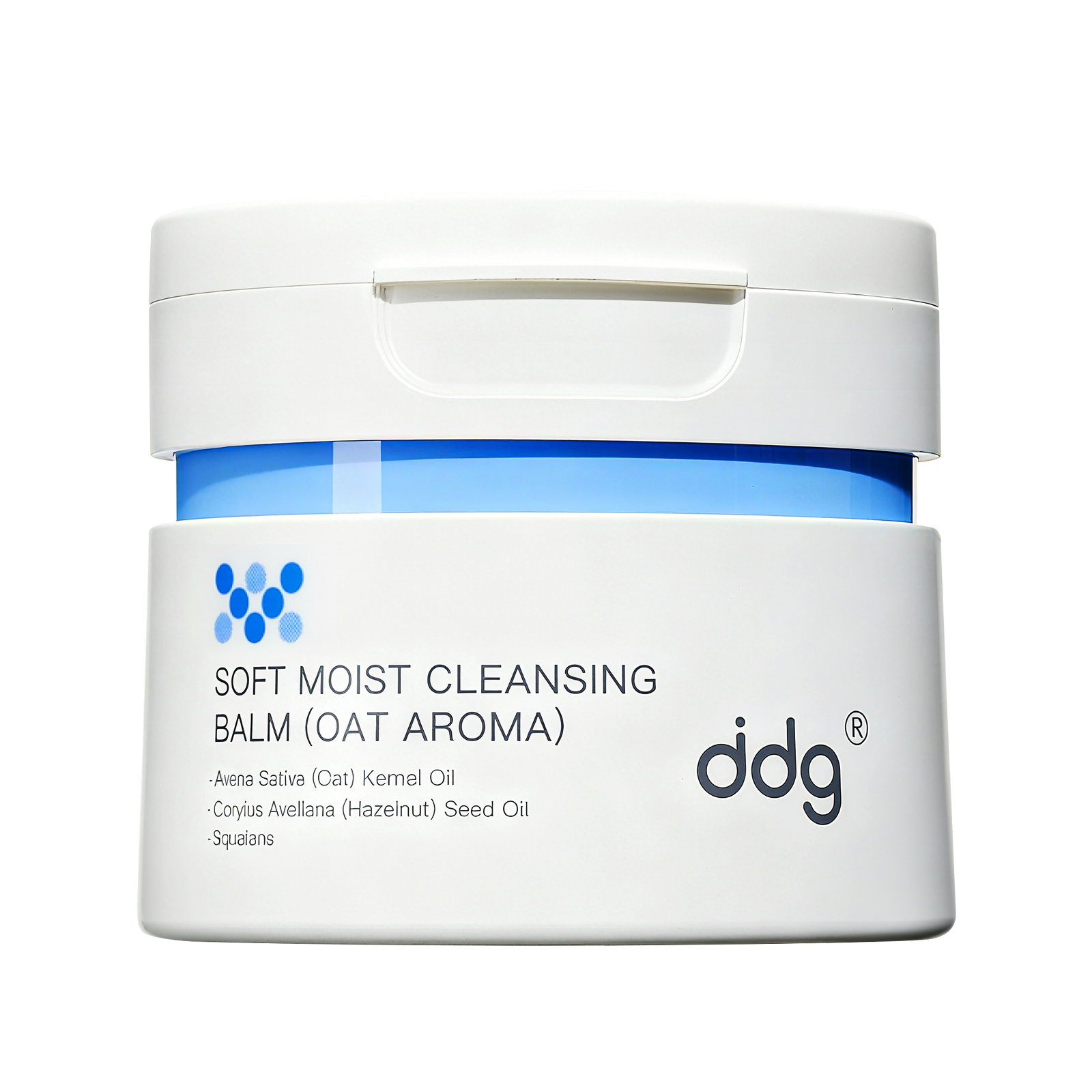
ddg Makeup Remover Cleansing Balm
Our Top Pick for Daily Active Users
- Oat Kernel Oil nourishes and protects your skin barrier
- 15-second quick cleanse — no stripping, no tightness
- Gentle enough for sensitive, acne-prone, and rosacea skin
- Magnetic spatula keeps application hygienic
- No secondary cleanse needed — one and done
Use code WIN10 for 10% off your first order
Frequently Asked Questions
Can I use azelaic acid twice a day?
Yes, most people can eventually use azelaic acid twice daily. Start with once daily (PM) for 2-4 weeks first. Once your skin adjusts without irritation, add a morning application. Always use SPF during the day, as azelaic acid can increase sun sensitivity slightly during the adjustment period.
How long does it take for skin to adjust to daily azelaic acid?
Most people adjust within 2-4 weeks. The first 1-2 weeks may involve mild tingling or dryness. By week 3-4, tolerance typically builds and these sensations fade. If irritation persists beyond 4 weeks, scale back to every other day and consult a dermatologist.
Is it normal to purge when using azelaic acid daily?
Mild purging can happen during the first 2-3 weeks of daily use as azelaic acid accelerates cell turnover and brings clogged pores to the surface. True purging appears as small whiteheads or pustules in areas where you normally break out. If you experience widespread redness, burning, or breakouts in new areas, this is likely irritation, not purging — scale back frequency.
Can I use azelaic acid every day with retinol?
Yes, but not in the same routine. Use azelaic acid in the morning and retinol at night, or alternate nights. Azelaic acid is one of the few actives that pairs well with retinoids because it's anti-inflammatory and can actually reduce retinol-induced irritation. Start each separately before combining.
What percentage of azelaic acid is best for daily use?
For daily use, start with 10% (available OTC). This concentration is effective for mild acne, redness, and hyperpigmentation while being gentle enough for daily application. Prescription 15-20% is more potent but has a higher risk of irritation — build up to daily use more slowly with these strengths.
Do I need to moisturize after azelaic acid?
Yes, always follow azelaic acid with moisturizer. This helps buffer any potential dryness and supports your skin barrier. For the gentlest approach, apply moisturizer first (the sandwich method), then azelaic acid — this reduces irritation without significantly affecting efficacy.
Can I skip days with azelaic acid?
Yes, skipping 1-2 days is fine and won't undo your progress. Consistency matters more than perfection. If your skin feels irritated, take a rest day — it's better to use it 5-6 days a week comfortably than to force daily use that irritates your skin.
Is azelaic acid safe for daily use during pregnancy?
Yes, azelaic acid is considered pregnancy-safe and can be used daily during pregnancy and breastfeeding. It's one of the few acne and hyperpigmentation treatments recommended by dermatologists for pregnant women. As always, consult your OB-GYN before starting any new active during pregnancy.
The Bottom Line
Azelaic acid is built for daily use — it's gentle, multi-targeted, and doesn't cause cumulative damage the way some actives can. But "built for daily use" doesn't mean your skin is automatically ready on day one.
Give yourself 4 weeks to graduate from 3x per week to every day. Watch for the difference between normal adjustment (mild tingling that fades) and genuine irritation (persistent burning, peeling, or unusual breakouts). Use a gentle cleanser and a solid moisturizer as your foundation. And remember: the best frequency is the one your skin can actually sustain.
Start slow. Stay consistent. Let azelaic acid work on its own timeline — your skin will tell you when it's ready for every day.
Related Articles
- 📖 How to Use Azelaic Acid for Acne: A Complete Beginner's Guide — Start here if you're new to azelaic acid
- ⏱️ How Long Does Azelaic Acid Take to Work? A Real Timeline — See realistic results timelines by skin concern
- ⚠️ Azelaic Acid Side Effects: What to Expect in Your First 8 Weeks — Know the difference between purging and irritation