How Long Does Azelaic Acid Take to Work? A Real Timeline
You bought the tube. You are applying it every night. And you are staring at the mirror wondering: is this even doing anything? Azelaic acid is one of dermatology's most underrated multitaskers — but it is not fast. Here is exactly what to expect, week by week, so you do not quit right before it gets good.

Table of Contents
- How Azelaic Acid Actually Works (and Why It Takes Time)
- The Week-by-Week Timeline: What to Expect
- How Long by Skin Concern: Acne, Redness, Dark Spots & Texture
- 6 Factors That Determine How Fast You See Results
- How to Speed Up Results (Without Damaging Your Barrier)
- Azelaic Acid Timeline by Skin Type
- 5 Mistakes That Make You Think It's Not Working
- Frequently Asked Questions
- The Verdict: When to Keep Going and When to Reassess
How Azelaic Acid Actually Works (and Why It Takes Time)
To understand the timeline, you need to understand the mechanism. Azelaic acid is not a surface-level quick fix — it works at the cellular level through four distinct pathways, each with its own pace:
- Antibacterial action (weeks 1–4). Azelaic acid reduces Cutibacterium acnes and Staphylococcus epidermidis populations on the skin surface and within follicles. Unlike benzoyl peroxide, which oxidizes bacteria on contact, azelaic acid works by inhibiting bacterial protein synthesis — a slower but less disruptive mechanism that does not nuke your microbiome.
- Anti-inflammatory effect (weeks 2–6). Azelaic acid is a scavenger of reactive oxygen species (ROS) and downregulates the expression of TLR2 and cathelicidin — two inflammatory mediators overproduced in acne and rosacea. This is why redness fades gradually rather than overnight: you are turning down the volume on chronic inflammation, not masking it.
- Comedolytic action (weeks 4–8). By normalizing the shedding of keratinocytes inside hair follicles, azelaic acid prevents the formation of microcomedones — the precursors to every pimple. But keratinocyte turnover takes roughly 28–40 days in adults. That means the clog that is forming today might not surface for a month. Azelaic acid is stopping tomorrow's breakouts, not just today's.
- Tyrosinase inhibition (weeks 6–16). Azelaic acid competitively inhibits tyrosinase, the enzyme that drives melanin production — but it only affects abnormally active melanocytes (the ones producing dark spots), not normal ones. This selectivity is why it fades post-acne marks without bleaching surrounding skin. Melanin already deposited in the epidermis takes 4–8 weeks to naturally exfoliate away — so even after tyrosinase is inhibited, visible fading takes time.
Key Takeaway: Azelaic acid is not slow because it is weak — it is slow because it works on root causes that operate on biological timelines measured in weeks, not days. Understanding this reframes the wait from "why isn't this working?" to "the biology is doing its job."

The Week-by-Week Timeline: What to Expect
Every face is different — but clinical data and dermatological consensus converge on the following general timeline for over-the-counter 10% azelaic acid applied once or twice daily. Use it as a map, not a stopwatch.
| Timeline | What's Happening Biologically | What You'll See | What You May Feel |
|---|---|---|---|
|
Weeks 1–2 Adaptation |
Skin acclimating to pH ~4.8; initial ROS scavenging begins; no comedolytic effect yet | Subtle reduction in surface oil; no visible changes to acne or marks yet | Mild tingling or itching for 5–15 minutes after application (normal, fades with time) |
|
Weeks 3–4 Early Response |
Anti-inflammatory effect kicking in; TLR2 and cathelicidin downregulated; bacterial populations declining | Existing breakouts appear less inflamed (smaller, less red); skin tone slightly more even | Tingling diminishing; skin feeling smoother to the touch during cleansing |
|
Weeks 5–6 Visible Improvement |
Keratinocyte turnover normalizing; tyrosinase inhibition beginning; bacterial reduction approaching steady state | Fewer new inflammatory breakouts; post-acne marks starting to shift from red to pink; less overall facial redness | Minimal to no tingling; product feels like a normal part of your routine |
|
Weeks 7–8 Clear Change |
Comedolytic effect fully active — microcomedones prevented; melanin transfer interrupted in hyperactive melanocytes | Significantly fewer new breakouts; dark spots visibly lighter; skin texture clearly smoother; PIE fading from red to faint pink | Confidence in the product increasing; routine feels automatic |
|
Weeks 9–12 Consolidation |
All four mechanisms operating at therapeutic levels; barrier function supported by reduced chronic inflammation | Acne mostly controlled; dark spots faded 60–80%; overall skin clarity and evenness significantly improved. Friends start noticing. | Skincare becomes maintenance, not crisis management |
|
Week 12+ Maintenance |
Steady-state therapeutic effect; continued microcomedone prevention; ongoing tyrosinase inhibition for stubborn marks | Consistent clarity; residual marks continue fading; skin resilient and calm. Any breakouts are smaller and heal faster. | Azelaic acid feels indispensable — not because of immediate drama, but because of the baseline it maintains |
How Long by Skin Concern
The timeline splinters significantly depending on what you are treating. Azelaic acid's four mechanisms do not all engage at the same speed for every condition:
| Skin Concern | Primary Mechanism | First Visible Change | Significant Improvement | Full Results |
|---|---|---|---|---|
| Inflammatory Acne | Antibacterial + Anti-inflammatory | 4–6 weeks | 8–10 weeks | 12–16 weeks |
| Rosacea Redness | Anti-inflammatory (TLR2 / cathelicidin) | 3–5 weeks | 8–12 weeks | 12–16 weeks |
| PIH (Dark Marks) | Tyrosinase inhibition | 6–8 weeks | 10–14 weeks | 16–20 weeks |
| PIE (Red Marks) | Anti-inflammatory + vascular calming | 4–6 weeks | 8–12 weeks | 12–16 weeks |
| Skin Texture | Comedolytic (keratinocyte normalization) | 6–8 weeks | 10–14 weeks | 14–20 weeks |
| Overall Brightness | Tyrosinase + anti-inflammatory | 4–6 weeks | 8–12 weeks | 12–16 weeks |
Why PIH takes the longest: Melanin sits deep in the epidermis. Even after azelaic acid shuts off excess melanin production (via tyrosinase inhibition), existing pigment must be shed through natural desquamation — a process that takes 4–8 weeks just to begin. This is normal and not a sign that the product is failing. Patience is the active ingredient here.
6 Factors That Determine How Fast You See Results
- Concentration matters. OTC 10% formulations work — but prescription 15–20% azelaic acid produces faster results, typically shaving 2–4 weeks off the timelines above. The trade-off: higher irritation risk during the adaptation phase. Most people should start at 10% and consider escalating only after 12 weeks if progress plateaus.
- Frequency of application. Twice-daily application (once skin has adapted) produces ~30–40% faster results than once-daily, according to pharmacokinetic modeling. But daily consistency matters far more than frequency — once a day, every day, beats twice a day, three times a week.
- Barrier health at baseline. If you start azelaic acid with an already-compromised barrier (tight, stinging, flaking skin), expect a longer timeline. The acid must penetrate through a functional stratum corneum. Repair your barrier first, then introduce azelaic acid — do not try to do both simultaneously with the same product.
- Co-use of other actives. Combining azelaic acid with niacinamide (2–5%) can accelerate anti-inflammatory and pigment-fading effects without increasing irritation. Pairing it with a gentle PHA exfoliant (every 10–14 days) can speed cell turnover, helping existing dark marks shed faster. But layering with strong AHAs or retinoids during the first 8 weeks often backfires by triggering barrier disruption.
- Sun protection compliance. UV exposure directly counteracts azelaic acid's tyrosinase-inhibiting effect. Every unprotected minute in the sun restimulates the melanocytes you are trying to calm. Daily SPF 30+ is not optional — it is a multiplier on azelaic acid's pigment-fading speed.
- Diet and lifestyle triggers. High-glycemic diets, dairy (for some), and chronic stress all drive inflammation through systemic pathways that azelaic acid cannot fully override. If your acne triggers are internal and persistent, azelaic acid will help but cannot fully compensate — the timeline stretches indefinitely until the trigger is addressed.
How to Speed Up Results (Without Damaging Your Barrier)
The urge to accelerate is understandable — but the wrong acceleration strategy sets you back. Here is what actually works:
✅ Do: Use a Gentle, Non-Stripping Cleanser
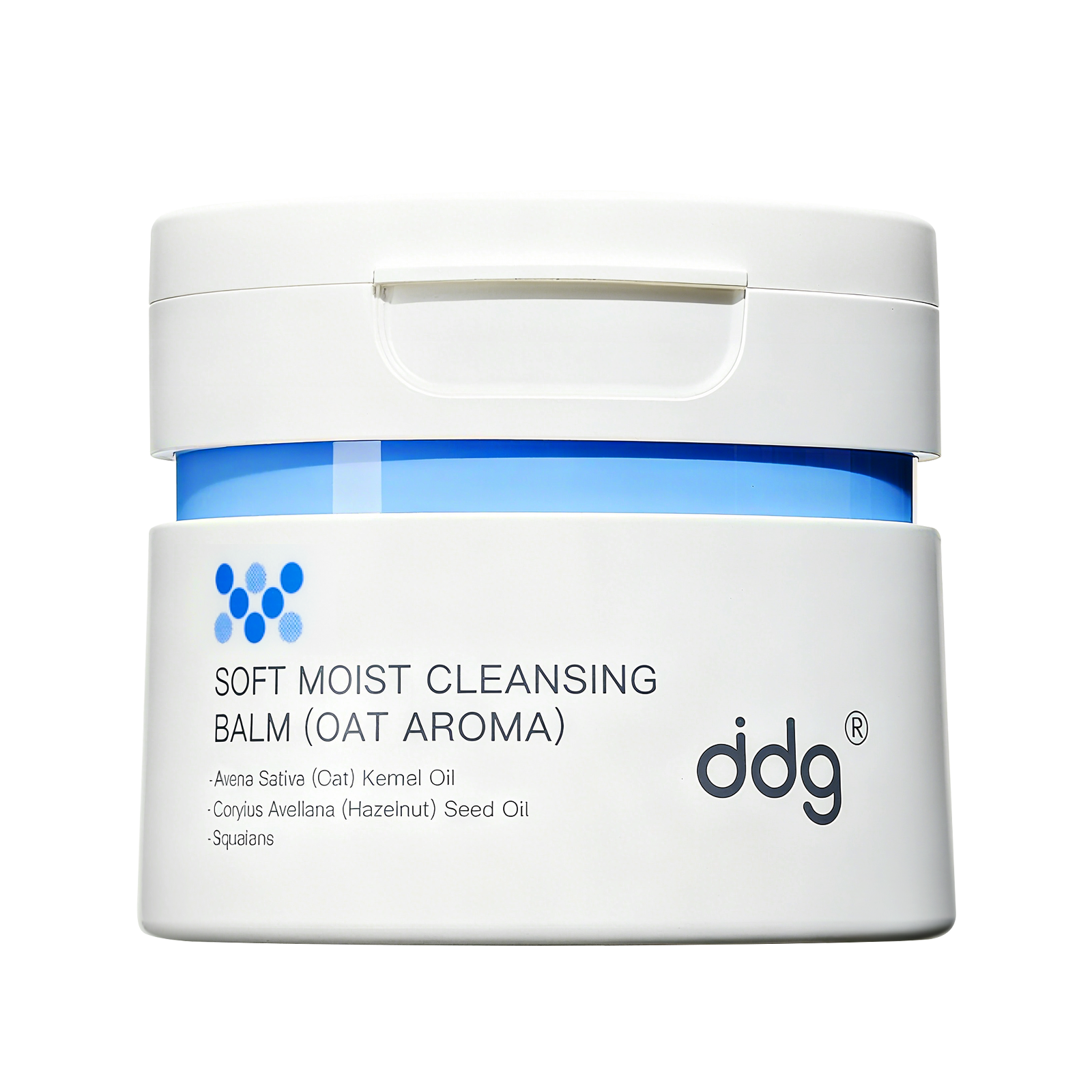
Azelaic acid needs to penetrate, not fight through a disrupted barrier. A cleanser that preserves your acid mantle — like a balm or cream cleanser with oat-derived lipids — creates the ideal canvas. Harsh foaming cleansers raise skin pH, which partially neutralizes azelaic acid before it even begins working.
✅ Do: Apply to Bare, Dry Skin (Not Damp)
Damp skin increases penetration 5–10x — which sounds good until you realize that for azelaic acid, increased penetration also means increased irritation. Apply to skin that has been dry for at least 10 minutes after cleansing. This buffers the initial sting and keeps your barrier intact, which ultimately means faster results because you can stay consistent.
✅ Do: Pair with Niacinamide (2–5%)
Niacinamide and azelaic acid are a rare "synergy without conflict" pairing. Niacinamide strengthens barrier lipids (boosting ceramide synthesis), while azelaic acid calms inflammation. Together, they address acne, redness, and pigmentation through complementary pathways — and niacinamide's barrier support actually improves azelaic acid tolerability. Apply niacinamide first, wait 60 seconds, then azelaic acid.
❌ Do Not: Layer with Strong AHAs During the First 8 Weeks
Glycolic acid and lactic acid at exfoliating concentrations (5%+) disrupt the stratum corneum. On azelaic-acid-adapted skin, that disruption translates to stinging, redness, and a forced break from your routine — which erases weeks of progress. After 8–12 weeks, if your skin is fully adapted, you can cautiously introduce a gentle PHA (not AHA) on an off-night — but never on the same night as azelaic acid.

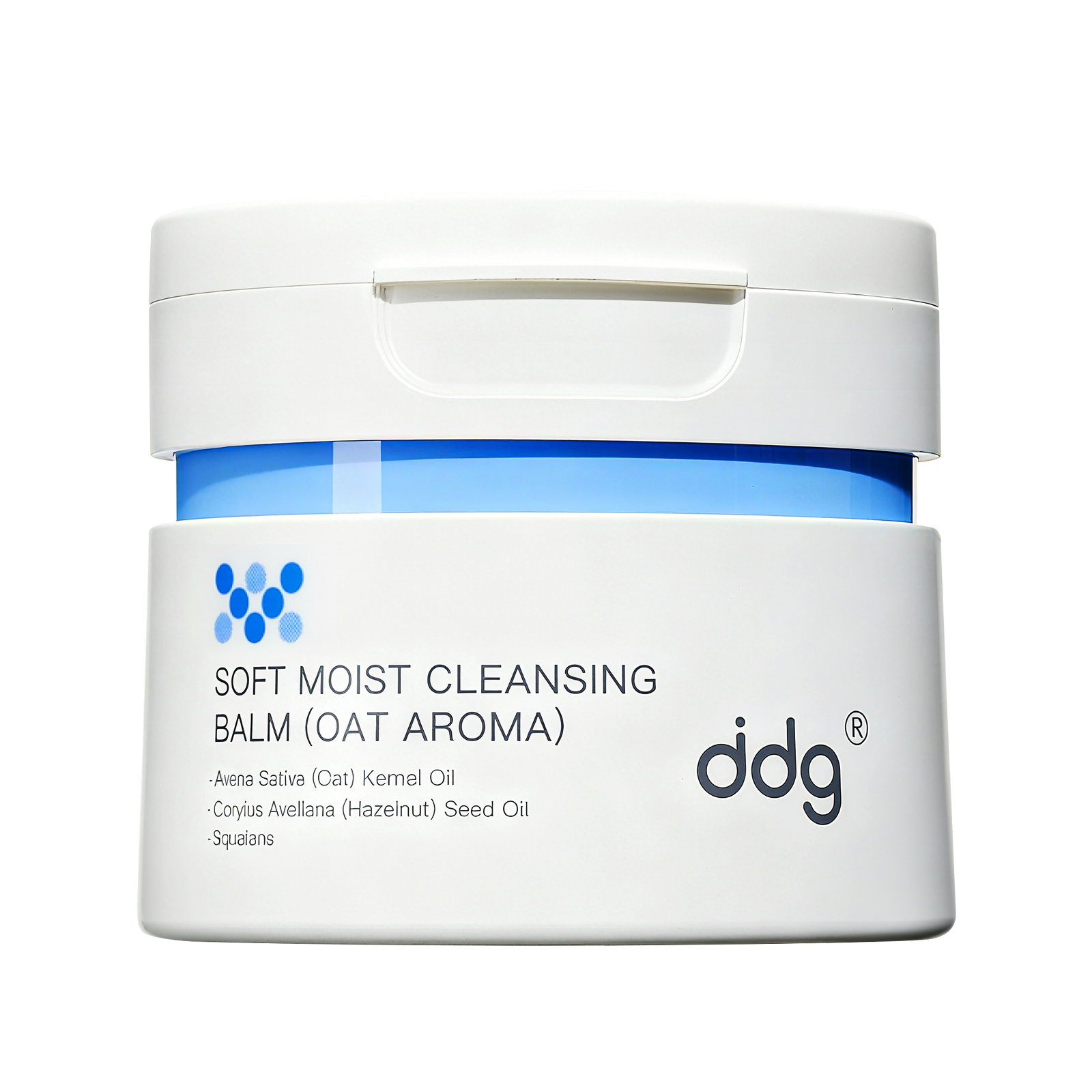
ddg Cleansing Balm — The Gentle Start Your Routine Needs
- Oat Kernel Oil nourishes and protects the skin barrier — essential when using actives like azelaic acid
- 15-second melt-away formula, no stripping or tightness
- Fragrance-free, sensitive-skin safe, pH-balanced for barrier health
- Magnetic spatula for hygienic, contamination-free use
- 4.99/5 stars · 76 reviews
Azelaic Acid Timeline by Skin Type
| Skin Type | Typical Response Speed | What to Expect | Adjustment |
|---|---|---|---|
| Oily Skin | Faster (first changes by week 2–3) | Oil regulation visible early; acne responds well; pores appear refined | Often tolerates twice-daily application faster (by week 3–4) |
| Combination Skin | Moderate (first changes by week 3–4) | T-zone responds fastest; cheeks may lag 1–2 weeks behind | Apply to oily zones first, then blend to drier areas with residual product |
| Dry Skin | Slower (first changes by week 4–5) | May need a richer moisturizer layered over azelaic acid; barrier support is critical | Start every other night for 2 weeks; always apply moisturizer after |
| Sensitive Skin | Slowest (first changes by week 4–6) | Adaptation phase feels more pronounced (tingling, mild flushing); results are worth the wait — azelaic acid is one of the gentlest actives for this type | Start once every 3 days for 2 weeks, then every other day for 2 weeks, then daily. The slow introduction is the strategy |
| Rosacea-Prone | Variable but encouraging | Redness reduction often noticeable by week 3–5; pustules respond well; azelaic acid is a first-line rosacea treatment for a reason | Begin with once daily; avoid other actives entirely for the first 8 weeks |
5 Mistakes That Make You Think It's Not Working
- Quitting at week 4. This is the most common — and most tragic — mistake. At week 4, azelaic acid's comedolytic and tyrosinase-inhibiting effects have barely begun. You are in the trough of disillusionment: the early tingling has passed, but visible results have not yet arrived. This is precisely when you need to keep going. Week 4 is the start line, not the finish line.
- Applying to damp skin, causing irritation, then blaming the product. The sequence matters. If your face is still moist from toner or cleansing, azelaic acid penetrates too fast and too deep — triggering stinging and redness that make you think you are "allergic" or that the product "doesn't agree with your skin." Wait until your face is completely dry.
- Using a pea-sized amount for your whole face (too little). Unlike retinoids, where less is genuinely more, azelaic acid requires adequate coverage. A pea-sized amount is often insufficient for full-face application. Use a blueberry-sized amount — enough to spread a thin, even layer without tugging. Inadequate coverage means inconsistent results, which erodes your confidence in the product.
- Skipping sunscreen, then wondering why dark spots are not fading. Azelaic acid inhibits tyrosinase, but UV radiation activates it. Every day without SPF is a tug-of-war: azelaic acid pulling melanin production down, UV pulling it back up. You will see zero pigment improvement if you skip sunscreen, regardless of how faithfully you apply azelaic acid.
- Over-cleansing to "prep" the skin. Double-cleansing morning and night, using exfoliating toners before azelaic acid, or scrubbing with physical tools — all of these compromise the barrier. A compromised barrier cannot tolerate azelaic acid consistently, which means you stop and start, which means you never reach the therapeutic threshold. Gentle, once-daily PM cleansing (or water rinse in the AM) is all the "prep" azelaic acid needs.
Frequently Asked Questions
Q1: How long does azelaic acid take to work on acne?
For inflammatory acne (papules and pustules), most people see initial improvement within 4–6 weeks, with significant clearing by 8–12 weeks. OTC 10% formulations may take slightly longer than prescription 15–20% strengths. If no improvement is seen after 12 weeks of consistent daily use, consult a dermatologist about adjusting concentration or adding a complementary active like niacinamide.
Q2: Can I see results from azelaic acid in 2 weeks?
Most people will not see dramatic visible results in 2 weeks. What you may notice: reduced surface oil, a slight improvement in skin tone smoothness, and possibly mild tingling that fades. True anti-inflammatory and comedolytic effects begin around weeks 3–4. If you expect overnight results, azelaic acid will feel disappointing — but if you give it 6–8 weeks, it delivers.
Q3: Does azelaic acid work faster on some skin types?
Yes. Oily and combination skin types often see faster results (oil regulation visible by weeks 2–3). Dry and sensitive skin types may take 1–2 weeks longer because barrier integrity affects penetration. Rosacea-prone skin sees redness improvement surprisingly fast — often by weeks 3–5 — because azelaic acid directly targets the cathelicidin pathway overexpressed in rosacea.
Q4: Why does azelaic acid itch at first?
Transient itching or tingling lasting 5–15 minutes after application is very common during the first 2–4 weeks. It stems from azelaic acid's effect on sensory nerve endings and its slightly acidic pH (~4.8). The sensation almost always diminishes as your skin adapts. If itching persists beyond 30 minutes or includes visible redness or rash, discontinue and consult a dermatologist.
Q5: How do I know if azelaic acid is actually working?
Track these objective signs: (1) Fewer new inflammatory breakouts per week — count them. (2) Post-inflammatory marks shifting from red/purple to pink to barely visible — take bi-weekly photos. (3) Less overall facial redness. (4) Smoother skin texture when cleansing — your fingers will feel the difference before your eyes see it. If none of these markers improve after 12 weeks, reassess with a dermatologist.
Q6: Can I use azelaic acid twice a day to speed up results?
Prescription-strength azelaic acid is often prescribed twice daily — but starting at twice a day guarantees irritation that will set you back. Begin once daily (PM) for 2–4 weeks. If tolerated, add AM application. More is not always faster: azelaic acid's cellular mechanisms (keratinocyte turnover, melanin transfer interruption) cannot be compressed by doubling the dose. Consistency over months beats intensity over days.
Q7: How long should I wait before deciding azelaic acid isn't working?
Dermatologists recommend a minimum 12-week trial. Azelaic acid's mechanisms are cumulative — reducing inflammatory mediators, normalizing follicular keratinization, and interrupting melanin transfer — none of which produce overnight changes. If zero improvement after 12 weeks of consistent daily use (with SPF), consider adjusting concentration or exploring complementary actives. Do not abandon it at week 4 — that is when the real work begins.
Q8: Does azelaic acid work on old acne scars?
Azelaic acid is effective on post-inflammatory hyperpigmentation (PIH) — the flat brown or red marks left after a pimple heals. These typically fade over 8–16 weeks. However, it does not treat atrophic (indented/pitted) scars from collagen loss — those require professional treatments like microneedling or laser. For mild textural irregularities, azelaic acid's gentle exfoliating effect may produce subtle smoothing over 3–6 months.
The Verdict: When to Keep Going and When to Reassess
Azelaic acid rewards patience more than almost any other skincare active. Its four-pronged mechanism — antibacterial, anti-inflammatory, comedolytic, and tyrosinase-inhibiting — makes it uniquely comprehensive, but also uniquely dependent on biological timelines you cannot rush.
Here is the simplest decision framework:
- Before week 6: Do not evaluate. Keep going. The biology is still ramping up.
- Weeks 6–10: You should see emerging improvement — fewer new breakouts, fading marks, calmer skin. If not, check your application technique (dry skin? adequate amount? daily consistency?) and your SPF compliance.
- Week 12: This is your honest checkpoint. If you have been consistent and see improvement, continue — azelaic acid is working for you. If you see zero change after 12 weeks of proper use, it is reasonable to consult a dermatologist about adjusting concentration, adding niacinamide, or exploring a different active altogether.
At ddG, we formulate with the understanding that effective skincare does not need to hurt — and it does not need to work overnight to work well. Our approach is built on science-backed actives at therapeutic concentrations, zero fragrance or sensitizing irritants, and textures designed for real skin that reacts. Whether you are starting azelaic acid for acne, redness, or dark spots, the most important variable is not the product — it is your consistency with it.
Browse our full collection of gentle, dermatologist-tested formulations to build a routine that supports your azelaic acid journey from day one through maintenance mode. Every product is fragrance-free and barrier-first — because the best active in the world cannot work on skin that is already compromised.
Related Articles
- How to Use Azelaic Acid for Acne: A Complete Beginner's Guide — Everything you need to know about starting azelaic acid correctly, from application technique to expected side effects.
- Azelaic Acid vs Niacinamide: Which One Is Better for Your Skin? — Should you use one, the other, or both? A head-to-head comparison of mechanisms, results, and compatibility.
- How to Get Rid of Post Acne Marks Fast: A Complete Guide — The comprehensive protocol for fading PIH and PIE with the right ingredients and a realistic timeline.