Morning Skincare Routine for Oily Skin: A Dermatologist-Approved Guide
By 10 a.m., your forehead is already glistening. By noon, you're blotting for the third time. If this sounds familiar, your morning skincare routine for oily skin might be working against you — not with you. The good news? Oily skin is not a flaw to erase; it's a skin type to understand. With the right products, applied in the right order, you can control shine, minimize breakouts, and actually enjoy a fresh, balanced complexion that lasts until dinner.

Table of Contents
Why Oily Skin Needs a Strategic Morning Routine
Oily skin produces excess sebum — a natural oil that protects and hydrates the skin barrier. While sebum itself is not the enemy, overproduction leads to enlarged pores, blackheads, and a breeding ground for acne-causing bacteria. Many people with oily skin make the classic mistake of over-cleansing, over-exfoliating, or skipping moisturizer entirely, all of which trigger the skin to compensate by producing even more oil.
A well-designed morning routine does three things: (1) gently removes overnight buildup without stripping the barrier, (2) delivers lightweight hydration that signals the skin it doesn't need emergency oil production, and (3) protects against UV damage, which worsens post-acne marks and accelerates oil oxidation on the skin surface.
Key Takeaway: The goal is balance, not dryness. A properly hydrated oily complexion produces less sebum throughout the day than a dehydrated one.
The 4-Step Morning Skincare Routine for Oily Skin
Resist the urge to pile on ten products. A streamlined, four-step routine is clinically sufficient for oily skin when each step is intentional. Here is the evidence-based order that dermatologists recommend.
Step 1 — Cleanse Gently (Don't Strip)
Your morning cleanse should remove sweat, dead skin cells, and residual overnight skincare — not every last trace of natural oil. Foaming cleansers with sulfates often leave oily skin feeling "squeaky clean," which is actually a sign of barrier damage. Instead, opt for a gentle, pH-balanced cleanser that removes impurities while preserving the skin's acid mantle.
Cleansing balms, traditionally associated with evening makeup removal, are increasingly recommended for morning use on oily skin because they dissolve excess sebum without the harsh surfactants found in many gel cleansers. The key is choosing a non-comedogenic formula with barrier-supporting ingredients like oat kernel oil and squalane.

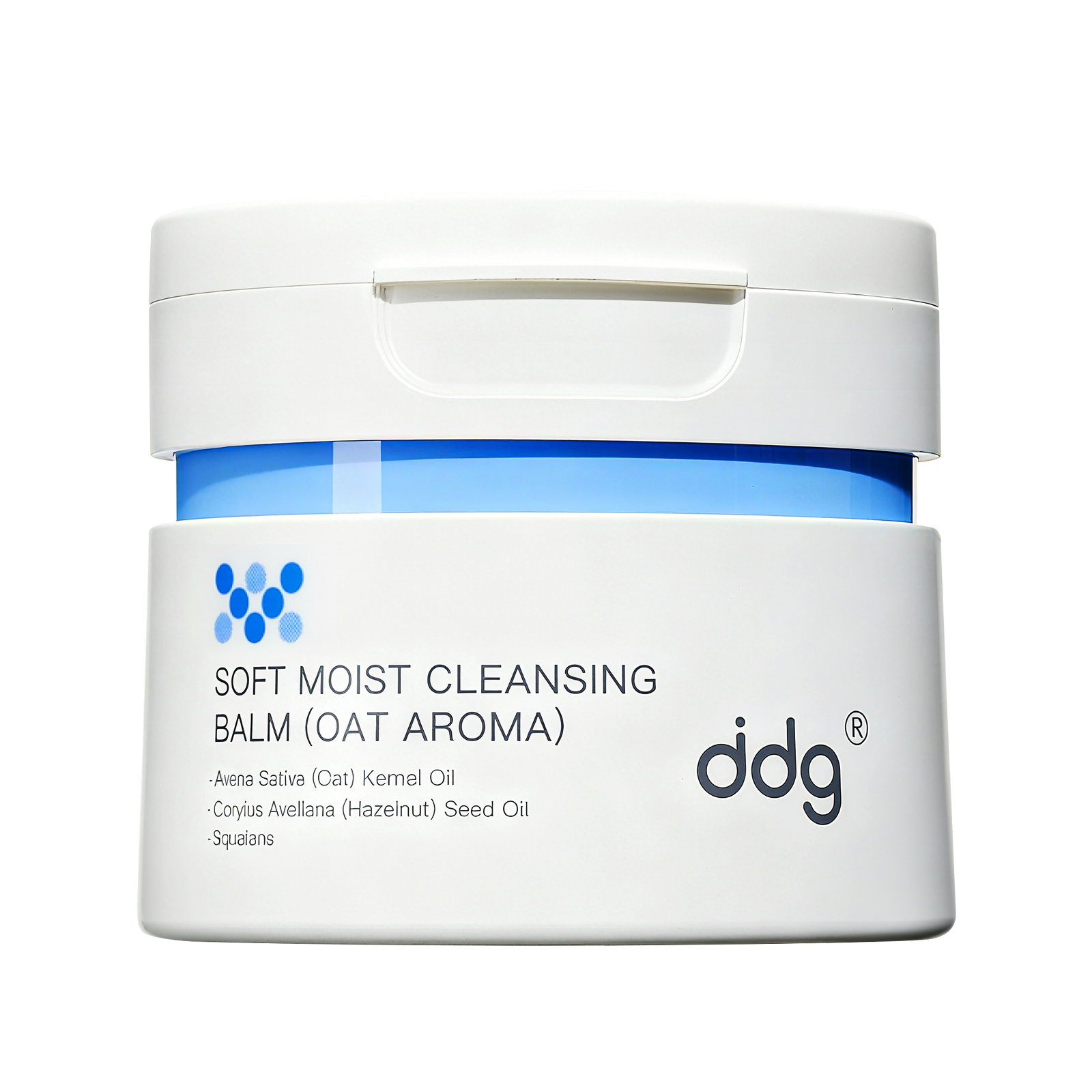
ddg Soft Moist Cleansing Balm (Oat Aroma)
- Oat Kernel Oil & Squalane nourish without clogging pores
- Melts away overnight sebum and residual skincare in 15 seconds
- Magnetic spatula keeps every use hygienic
- Gentle enough for sensitive, acne-prone, and oily skin
Shop Now
Step 2 — Tone & Prep
Modern toners are not the astringent, alcohol-heavy liquids of the past. A well-formulated toner for oily skin acts as a delivery system, slightly lowering the skin's pH after cleansing and preparing it to absorb subsequent active ingredients more effectively. Look for toners containing niacinamide (regulates sebum production), witch hazel (mild astringent), or zinc PCA (antibacterial and mattifying).
Apply toner to slightly damp skin within 60 seconds of cleansing — this is when the skin is most permeable and can lock in hydration before evaporation occurs.
Step 3 — Treat With Actives
This is where you address the root causes of oily skin: overactive sebaceous glands, post-inflammatory hyperpigmentation, and uneven texture. The most effective morning actives for oily skin include:
- Niacinamide (5–10%): Clinically proven to reduce sebum production by up to 20% over 8 weeks. It also minimizes pore appearance and strengthens the barrier.
- Azelaic Acid (10–20%): A multitasker that reduces inflammation, fades post-acne marks, and gently exfoliates inside pores. It is photosensitive-safe and works well in AM routines when paired with sunscreen.
- Vitamin C (L-Ascorbic Acid 10–15% or derivatives): An antioxidant that neutralizes free radicals from pollution and UV, preventing the oxidation of surface sebum that makes oily skin look dull and sallow by midday.
If you are new to actives, introduce one at a time and observe for two weeks before adding another. Learn the correct order for layering skincare ingredients to avoid pH conflicts and irritation.
Step 4 — Moisturize & Protect (Yes, Even Oily Skin)
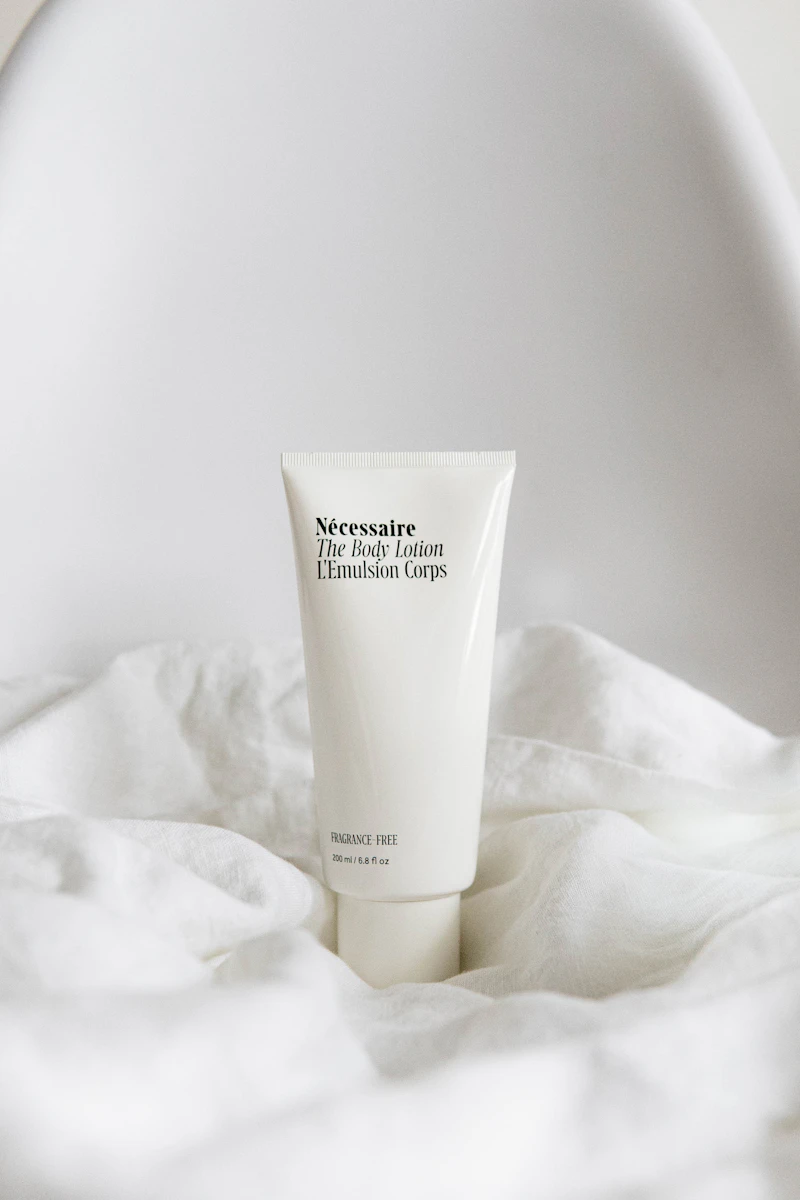
This step is where most oily-skin routines fall apart. Skipping moisturizer sends a dehydration signal to your sebaceous glands, which respond by flooding your skin with compensatory oil by mid-morning. The solution is not skipping moisture; it is choosing the right moisture.
Select an oil-free, gel-based moisturizer with humectants (hyaluronic acid, glycerin, panthenol) and zero occlusive oils. These ingredients draw water into the skin without adding a greasy film. Follow immediately with a broad-spectrum SPF 30+ sunscreen formulated for oily skin — look for "mattifying," "non-comedogenic," and "oil-free" on the label. Mineral sunscreens with zinc oxide often provide the most reliable mattification.
Key Takeaway: Sunscreen is non-negotiable. UV exposure damages the skin barrier, increases inflammation, and darkens post-acne marks. A mattifying SPF applied as your final step is the single most effective shine-control product you own.
Morning vs. Evening: What's the Difference?
Your morning and evening routines serve different biological purposes. Understanding this distinction prevents product overlap and ensures each formula works at the optimal time.
| Focus Area | Morning Routine | Evening Routine |
|---|---|---|
| Primary Goal | Protect against UV, pollution, and oil oxidation | Repair barrier damage and treat active concerns |
| Cleanser Type | Gentle, pH-balanced (balm or light gel) | Double cleanse: oil/balm first, then water-based |
| Key Actives | Antioxidants (Vitamin C), Niacinamide, Azelaic Acid | Retinoids, Exfoliating Acids (AHA/BHA), Peptides |
| Moisturizer Weight | Lightweight gel or fluid | Can be richer, especially if using retinoids |
| Final Step | Mattifying SPF 30+ sunscreen | Occclusive layer or overnight mask (optional) |
| What to Avoid | Retinoids, strong acids (increase photosensitivity) | Vitamin C (wasted overnight; unstable with some acids) |
Pro Tips for Keeping Shine Under Control All Day
Beyond your four-step routine, these habits extend a matte, fresh finish well into the afternoon:
- Blot, don't rub: Keep oil-absorbing sheets or a clean tissue in your bag. Press gently against shiny areas rather than wiping, which smears sunscreen and disrupts your barrier.
- Skip midday cleansing: Washing your face at lunch strips the morning's protective layers and triggers rebound oil. A single blotting session is more effective than a second cleanse.
- Check your pillowcase: Sleep on a clean silk or cotton pillowcase every 2–3 nights. Bacteria and accumulated skincare residue transfer to your skin overnight, increasing morning inflammation.
- Manage stress and sleep: Cortisol spikes from stress and poor sleep directly stimulate sebaceous gland activity. A consistent sleep schedule is an underrated oil-control strategy.
- Diet matters, but moderately: High-glycemic foods and excess dairy can exacerbate oily skin for some individuals. A food diary helps identify personal triggers without requiring extreme restriction.
If you are also dealing with lingering dark spots from past breakouts, our complete guide to fading post-acne marks explains how to integrate brightening actives into this routine safely.
How Long Until You See Results?
Skincare is not instant, but a consistent morning routine delivers measurable improvements on a predictable timeline. Set realistic expectations and track progress with weekly photos under consistent lighting.
| Timeframe | Expected Changes | What to Watch For |
|---|---|---|
| Week 1–2 | Skin feels less tight after cleansing; reduced midday tightness | Any stinging, redness, or increased breakouts (purging vs. reaction) |
| Week 3–4 | Noticeable reduction in surface oil by midday; fewer new blackheads | Texture smoothing; pore appearance beginning to refine |
| Week 6–8 | Sebum production down 15–25%; active breakouts less frequent | Post-acne marks beginning to fade if using azelaic acid or vitamin C |
| Week 12+ | Stable, manageable oil levels; clearer, more even skin tone | Barrier resilience improved; skin tolerates actives better |
Frequently Asked Questions
Should I skip moisturizer if I have oily skin?
No. Skipping moisturizer often triggers your skin to produce even more oil to compensate for dehydration. The key is choosing a lightweight, oil-free, non-comedogenic moisturizer with ingredients like niacinamide or hyaluronic acid that hydrate without adding grease.
How often should I wash my face if I have oily skin?
Twice daily — once in the morning and once at night. Over-washing (three or more times) strips the skin barrier, leading to rebound oil production and increased sensitivity. Stick to a gentle cleanser and lukewarm water.
Can I use azelaic acid in my morning routine?
Yes, azelaic acid is stable in daylight and works well in morning routines. It helps control oil, fade post-acne marks, and reduce inflammation. Always follow with sunscreen, as any active ingredient can increase photosensitivity.
What's the best sunscreen for oily, acne-prone skin?
Look for mattifying, mineral-based sunscreens with zinc oxide or titanium dioxide labeled "non-comedogenic" and "oil-free." Formulas with silica or kaolin clay help absorb excess sebum throughout the day. Gel or fluid textures usually feel lighter than creams.
Why does my skin get oilier as the day goes on?
Midday shine usually results from a combination of sebum overproduction, heat, humidity, and using overly rich products. Dehydration also plays a role — when skin lacks water, oil glands work harder. A lightweight, layered morning routine with mattifying SPF helps extend a fresh finish.
Is double cleansing necessary in the morning?
For most people, no. A single gentle cleanse is sufficient in the morning to remove overnight sweat, dead skin cells, and any residual skincare. Double cleansing is primarily beneficial at night to remove sunscreen and makeup.
Building a morning skincare routine for oily skin is less about eliminating oil and more about managing it intelligently. When you stop fighting your skin and start supporting its barrier with gentle cleansers, targeted actives, lightweight hydration, and consistent sun protection, the results follow naturally — fewer breakouts, less shine, and a complexion that looks fresh from morning to midnight. Start with the four-step framework above, give it eight weeks of consistency, and let your skin do what it does best: balance itself.
At ddg, we believe skincare should be simple, effective, and enjoyable. Our formulas are designed for real skin — oily, sensitive, acne-prone, and everything in between. Explore our collection and find the routine that works for you.