How to Get Rid of Post Acne Marks Fast: A Complete Guide
You finally cleared your breakout — but now you're left staring at a constellation of red and brown marks that refuse to budge. Sound familiar? Post-acne marks are frustratingly stubborn, but the good news is that with the right ingredients and a consistent routine, you can fade them significantly faster than letting them run their natural course. Here's exactly how.
Table of Contents
What Are Post-Acne Marks? (PIE vs. PIH)
Before you can treat post-acne marks effectively, you need to know what you're actually dealing with. Not all marks are created equal — and using the wrong approach for your specific type can waste months of effort.
Post-acne marks fall into two distinct categories: PIE (Post-Inflammatory Erythema) and PIH (Post-Inflammatory Hyperpigmentation). The difference matters because each responds to different treatments.
| Characteristic | PIE (Post-Inflammatory Erythema) | PIH (Post-Inflammatory Hyperpigmentation) |
|---|---|---|
| Appearance | Red, pink, or purplish flat marks | Brown, tan, or dark gray flat marks |
| Cause | Damaged or dilated capillaries under the skin | Overproduction of melanin triggered by inflammation |
| More Common In | Fair to medium skin tones (Fitzpatrick I–III) | Medium to deep skin tones (Fitzpatrick III–VI) |
| Best Ingredients | Azelaic acid, niacinamide, centella asiatica, laser/IPL | Vitamin C, retinoids, azelaic acid, kojic acid, chemical peels |
| Fades With Pressure? | Yes — temporarily blanches when pressed | No — color stays the same when pressed |
Key Takeaway: If your marks look red or pink and temporarily disappear when you press on them, you're dealing with PIE. If they're brown and don't change when pressed, it's PIH. Many people actually have a combination of both — especially if you've had repeated breakouts in the same area.

How Fast Can Post-Acne Marks Fade?
Let's set realistic expectations. Without any treatment, post-acne marks can take anywhere from 3 to 24 months to fade on their own — with PIE sometimes lingering even longer. With a targeted routine, you can dramatically shorten that timeline.
Here's what you can realistically expect with consistent, correct treatment:
| Timeframe | What You'll Notice | What's Happening Under the Skin |
|---|---|---|
| Weeks 1–2 | Minimal visible change; skin may feel smoother | Active ingredients begin regulating melanin production and calming inflammation |
| Weeks 3–4 | Redness starts to tone down; brown marks may look slightly lighter | Cell turnover accelerates; pigment begins dispersing |
| Weeks 4–8 | Noticeable fading — marks appear less defined, edges blur | New, un-pigmented cells reach the surface; vascular repair continues |
| Weeks 8–12 | Significant improvement; most marks are 50–70% faded | Deep pigment layers are broken down; skin barrier is fully repaired |
| 3–6 months | Stubborn marks continue to fade; skin tone is visibly more even | Long-term remodeling of both pigment and micro-vessels |
The Best Ingredients to Fade Post-Acne Marks
Not all brightening ingredients work the same way. The most effective approach layers ingredients that target post-acne marks through complementary mechanisms: inhibiting melanin production, accelerating cell turnover, and calming residual inflammation.
Azelaic Acid
Azelaic acid is arguably the single most versatile ingredient for post-acne marks because it works on both PIE and PIH. It inhibits tyrosinase (the enzyme that drives melanin production), calms inflammation, and normalizes keratinization — all without the irritation that comes with many other actives. Studies show visible improvement in hyperpigmentation within 4–8 weeks of consistent use. It's gentle enough for sensitive skin and safe to use twice daily.
Niacinamide (Vitamin B3)
Niacinamide is a multitasking powerhouse. It blocks the transfer of melanin from melanocytes to skin cells, strengthens the skin barrier, and reduces inflammation — making it especially valuable for PIE. At concentrations of 4–5%, it's been shown to significantly reduce hyperpigmentation over 8–12 weeks. It pairs beautifully with nearly every other ingredient on this list.
Vitamin C (L-Ascorbic Acid)
Vitamin C is a potent antioxidant that inhibits tyrosinase and provides photoprotection — meaning it not only helps fade existing marks but also prevents new ones from forming. For best results, look for L-ascorbic acid at 10–20% concentration, ideally in an airtight, opaque package to prevent oxidation. Apply in the morning under sunscreen for a synergistic brightening effect.
Retinoids (Retinol, Adapalene, Tretinoin)
Retinoids accelerate epidermal turnover, pushing fresh, un-pigmented cells to the surface faster. They also regulate melanin distribution and boost collagen production, which helps with any shallow textural irregularities left behind. Start with an over-the-counter retinol (0.25–0.5%) and work your way up slowly — retinoids are a marathon, not a sprint.
Alpha Hydroxy Acids (AHAs)
Glycolic acid and lactic acid exfoliate the outermost layer of dead, pigmented cells, revealing brighter skin underneath. Lactic acid has the added benefit of being a humectant, making it gentler for dry or sensitive skin types. Use AHAs 2–3 times per week — never daily — and always follow with sunscreen the next morning.
Centella Asiatica (Cica) & Ceramides
These aren't direct pigment-faders, but they're essential supporting players — especially for PIE. Centella asiatica calms the micro-inflammation that keeps capillaries dilated, while ceramides repair the barrier so your skin can tolerate active ingredients without freaking out. A healthy barrier = faster fading.
Key Takeaway: The winning combo for most people: Azelaic acid + Niacinamide + Sunscreen as your foundation, then layer in Vitamin C (AM) and a gentle retinoid (PM) as your skin tolerates. If your marks are predominantly PIE, prioritize azelaic acid and niacinamide. If PIH dominates, add Vitamin C and AHAs to the mix.

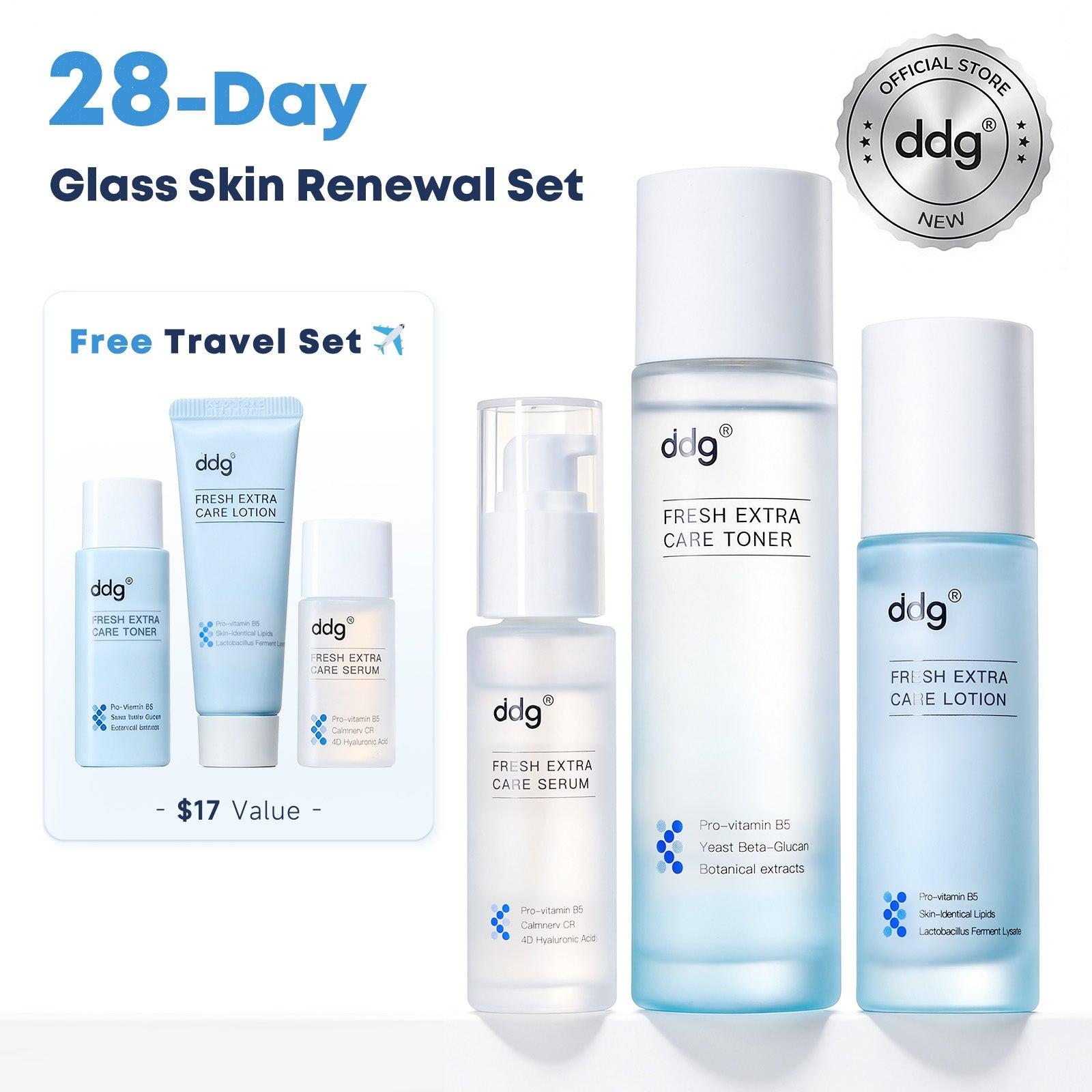
28-Day Glass Skin Renewal Set
Toner + Serum + Lotion — a complete brightening and barrier-repair system
- Ceramide + Peptide + Hyaluronic Acid — repairs barrier while brightening
- 28-day protocol clinically designed to smooth, calm, and even out skin tone
- Lightweight, fast-absorbing texture — ideal for layering with other actives
Your Step-by-Step Routine for Fading Marks
Ingredients matter, but how you use them matters just as much. This routine is designed to maximize results while minimizing irritation — which is crucial, because irritation can trigger new inflammation and, ironically, more post-acne marks.
Morning Routine (AM)
- Gentle Cleanser — Start with a non-stripping cleanser. Harsh foaming cleansers damage your barrier and make marks look more inflamed. If you wore heavy products the night before, consider a gentle cleansing balm that removes residue without disrupting your skin's pH.
- Vitamin C Serum — Apply 3–4 drops of a 10–20% L-ascorbic acid serum to dry skin. Wait 60 seconds for absorption.
- Azelaic Acid or Niacinamide — Layer your chosen brightening treatment. If using both, apply the thinner texture first.
- Moisturizer — Lock everything in with a lightweight, non-comedogenic moisturizer. Look for formulas with ceramides and peptides for added barrier support.
- Sunscreen — SPF 30+ minimum, SPF 50 ideal — This is non-negotiable. UV exposure darkens existing marks and triggers new melanin production. Apply a full ¼ teaspoon for your face and reapply every 2 hours if outdoors.
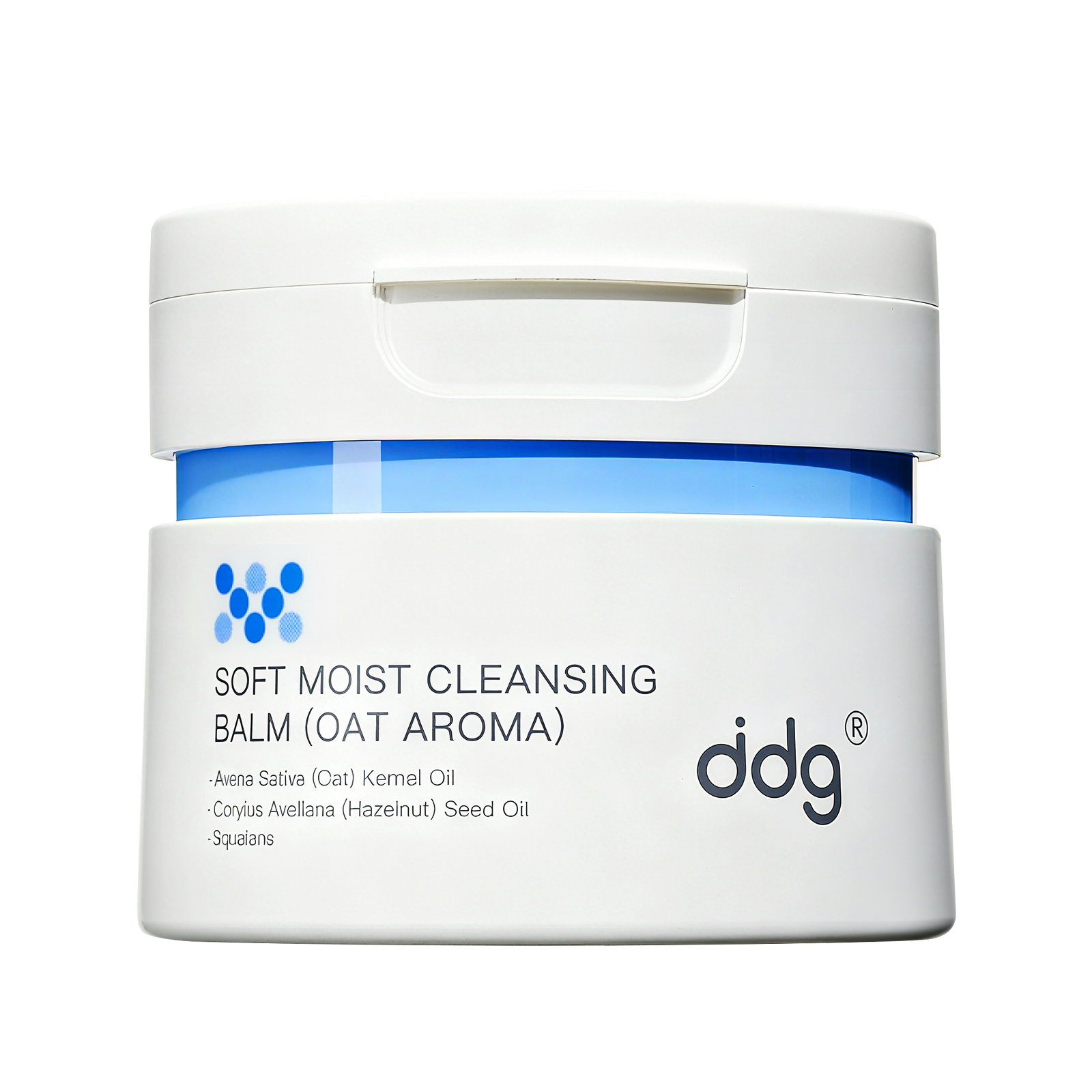
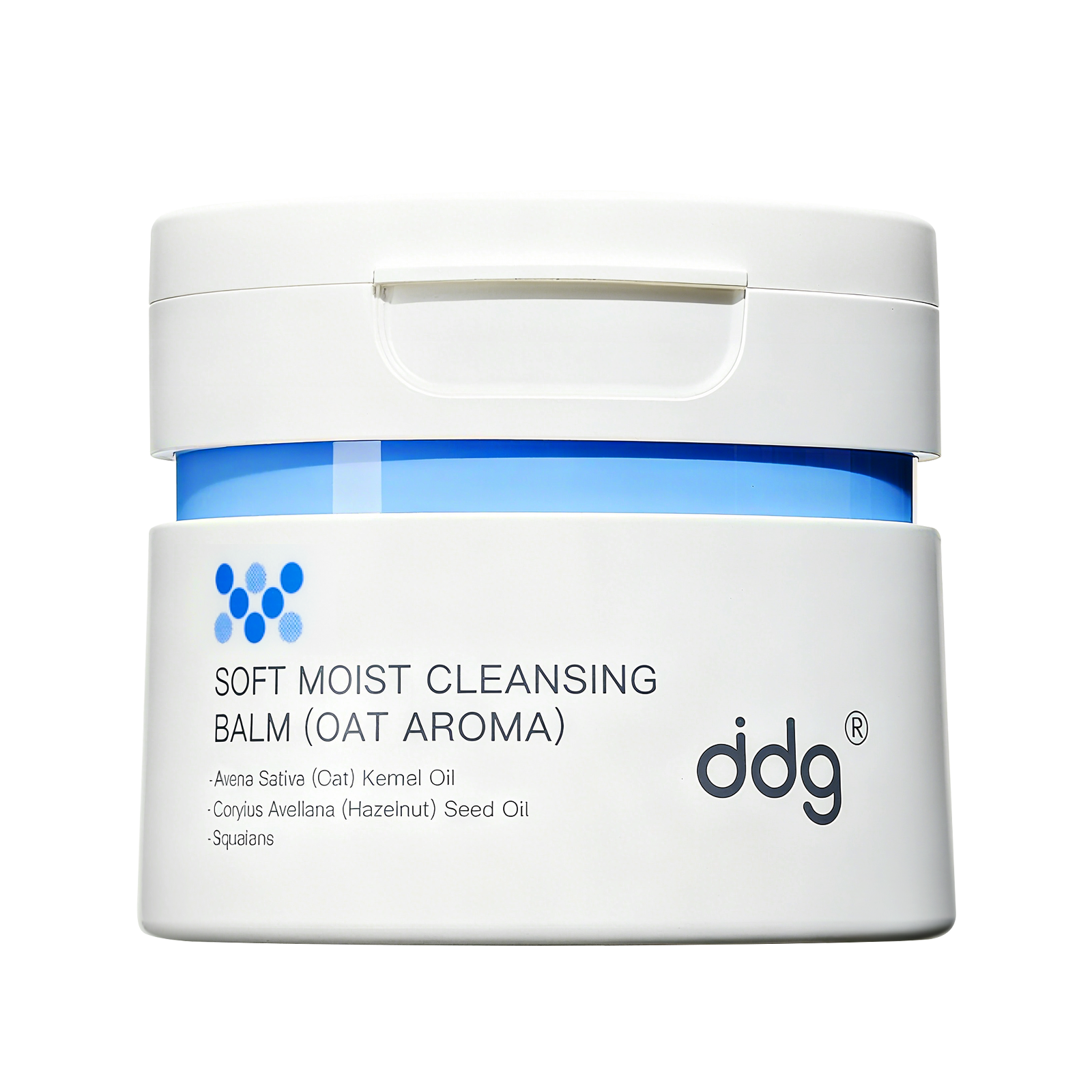
ddg Makeup Remover Cleansing Balm
A gentle first-cleanse that melts away sunscreen and impurities
- Oat Kernel Oil — nourishes while cleansing, zero barrier disruption
- 15-second melt — removes sunscreen and makeup without scrubbing
- Magnetic spatula included — keeps your product hygienic and fresh
Evening Routine (PM)
- Double Cleanse — Start with a cleansing balm or oil to remove sunscreen and pollutants, then follow with your gentle water-based cleanser. Double cleansing at night ensures your treatment products can actually penetrate — clean skin absorbs actives up to 40% better.
- Treatment Serum — Apply your azelaic acid or niacinamide serum to dry skin. These ingredients are gentle enough for nightly use.
- Retinoid (2–3 nights/week) — On retinoid nights, apply a pea-sized amount after your serum has absorbed. Start with 2 nights per week and gradually increase to every other night. Never apply retinoids to damp skin — it increases penetration and irritation risk.
- AHA Exfoliant (1–2 nights/week, NOT on retinoid nights) — On exfoliation nights, swap your retinoid for a glycolic or lactic acid product. This "skin cycling" approach — exfoliate, retinoid, recover, recover — prevents over-exfoliation while maximizing results.
- Moisturizer — Apply a generous layer of a barrier-supporting moisturizer. If using a retinoid, consider the "sandwich method": moisturizer → retinoid → moisturizer to reduce irritation without sacrificing efficacy.
Key Takeaway: The weekly rhythm that works for most people: Monday (AHA), Tuesday (Retinoid), Wednesday (Recovery — hydration only), Thursday (Retinoid), Friday (Recovery), Saturday (AHA or Retinoid), Sunday (Recovery). Adjust based on how your skin responds. More is not better — consistency beats intensity every time.
Skin-Type-Specific Adjustments
Your skin type dictates how aggressively you can treat post-acne marks. Here's how to tailor the approach:
Oily / Acne-Prone Skin
You can typically tolerate more active ingredients, but don't mistake high oil production for a resilient barrier. Focus on niacinamide (which regulates sebum in addition to brightening) and azelaic acid. Gel-based moisturizers and oil-free sunscreens prevent clogging while you treat. Avoid heavy occlusives that might trigger new breakouts.
Dry / Dehydrated Skin
Your barrier needs extra TLC. Lactic acid is your best AHA — it exfoliates while adding hydration. Layer ceramide-rich moisturizers under and over your actives. The sandwich method for retinoids is non-negotiable for you. Look for hydrating toners with peptides to prep your skin before treatments.
Sensitive / Redness-Prone Skin
You're likely dealing mostly with PIE, and your skin will tell you quickly if you're overdoing it. Azelaic acid is the safest starting point — it's gentle, anti-inflammatory, and effective on redness. Skip AHAs entirely for the first month. Introduce a retinoid only after your skin has adapted to azelaic acid for at least 4 weeks. Centella asiatica and ceramides should be staples in every step.
Combination Skin
Multi-mask or zone-treat: apply stronger actives (AHAs, retinoids) only to the pigmented areas and gentler hydration to drier zones. Niacinamide works beautifully across all zones without over-drying or over-hydrating any area.
Common Mistakes That Slow Down Healing
Even the best ingredients won't work if you're unknowingly sabotaging your progress. Here are the most common mistakes — and how to avoid them:
- Skipping Sunscreen — UV radiation doesn't just darken existing marks; it actively stimulates melanocytes to produce more pigment. Every minute of unprotected sun exposure undoes hours of treatment. No exceptions.
- Using Too Many Actives at Once — Starting azelaic acid, Vitamin C, retinol, and AHAs all in the same week is a recipe for barrier damage. Introduce one new active every 2–4 weeks and let your skin adjust.
- Picking at Healing Skin — Every time you pick, you re-injure the tissue and re-trigger the inflammatory cascade that caused the mark in the first place. Picked-at marks can take twice as long to fade.
- Expecting Overnight Results — Post-acne marks are in the dermis, not just the surface. No product can erase them in days. The people who see the fastest results are the ones who stay consistent for 8–12 weeks, not the ones who switch products every two weeks.
- Neglecting Moisture — A compromised barrier can't heal. If your skin feels tight, stings when you apply products, or looks dull despite treatment, your barrier needs attention before you can effectively fade marks.
- Not Treating Active Acne First — If you're still breaking out in the same areas, you're chasing a moving target. Get active breakouts under control first, then focus on the marks left behind.
Lifestyle Factors That Speed Up Results
Topical treatments do the heavy lifting, but your daily habits create the environment for those treatments to work — or not.
- Sleep (7–9 hours) — Your skin's repair mechanisms peak during deep sleep. Cortisol (the stress hormone) drops, growth hormone rises, and cell turnover accelerates. Consistent poor sleep directly slows pigment clearance.
- Hydration — Dehydrated skin has a sluggish, dull appearance that makes marks look more prominent. Drink enough water that your urine is pale yellow, and use humectant-rich products (hyaluronic acid, glycerin) to hold water in your skin.
- Diet: Antioxidants & Omega-3s — Vitamin C-rich foods (citrus, bell peppers, berries) support collagen synthesis. Omega-3 fatty acids (salmon, walnuts, flaxseed) reduce systemic inflammation that can prolong PIE. Avoid high-glycemic foods that spike insulin and may trigger new breakouts.
- Silk Pillowcases — Cotton pillowcases absorb your expensive serums and create friction that irritates healing skin. Silk or satin pillowcases reduce friction and keep your products on your face where they belong.
- Stress Management — Chronic stress elevates cortisol, which impairs barrier function and slows wound healing — including the micro-wounds of post-acne marks. Even 10 minutes of daily mindfulness or a walk outside can lower cortisol measurably.
Frequently Asked Questions
How long do post-acne marks take to fade completely?
With consistent treatment, most people see 50–70% improvement in 8–12 weeks. Complete fading of deeper marks can take 3–6 months. Marks that persist beyond 12 months with treatment may require in-office procedures like laser or microneedling. The key variable is consistency — sporadic product use stretches the timeline dramatically.
Can post-acne marks turn into permanent scars?
No — post-acne marks (PIE/PIH) are flat discolorations, not textural scars. They will eventually fade on their own, even without treatment (though it can take 1–2 years). However, picking at post-acne marks can create permanent atrophic or hypertrophic scars. This is why hands-off is critical. If you also have indented or raised scars alongside your marks, those require different treatments (microneedling, laser, etc.).
Is azelaic acid better than niacinamide for post-acne marks?
Neither is categorically "better" — they work through complementary mechanisms. Azelaic acid excels at calming redness (PIE) and inhibiting melanin (PIH) simultaneously. Niacinamide is stronger at preventing new marks from forming and improving overall skin tone. Using both together gives you the broadest coverage. If you can only choose one: azelaic acid for red marks, niacinamide for brown marks.
Can I use Vitamin C and azelaic acid together?
Yes — they're compatible and complementary. Apply Vitamin C first (it's usually in a lighter, more pH-dependent formula), wait 60 seconds, then layer azelaic acid. Both work at similar pH ranges and don't deactivate each other. Some people experience mild tingling with this combination; if that happens, alternate them — Vitamin C in the morning, azelaic acid at night.
Does exfoliating help fade post-acne marks faster?
Yes — but only when done correctly. Chemical exfoliants (AHAs like glycolic and lactic acid) accelerate the shedding of pigmented surface cells, revealing fresher skin underneath. However, over-exfoliating damages your barrier and can worsen PIE by keeping skin in a chronically inflamed state. Limit exfoliation to 2–3 times per week, never on the same night as retinoids, and always follow with barrier-supporting moisturizers.
Why are my post-acne marks not fading despite treatment?
Four common reasons: (1) Inconsistent sunscreen use — UV exposure is undoing your progress. (2) Misidentifying the mark type — treating PIE with PIH-focused ingredients (or vice versa) yields slow results. (3) Product hopping — switching products every 2–3 weeks before any single ingredient has time to work. (4) Active acne — new breakouts in the same area keep the inflammatory cycle going. Address each of these systematically before concluding that "nothing works."
Should I use a toner for post-acne marks?
A well-formulated toner can be a valuable addition — not as a primary treatment, but as a prep step. Hydrating toners with ceramides and peptides prime your skin to absorb brightening serums more effectively. Avoid astringent toners with high alcohol content — they strip your barrier and make marks look redder and more inflamed.
Can post-acne marks come back after they fade?
The same mark won't "come back" — once melanin is cleared from that specific patch of skin, it's gone. However, new breakouts in the exact same spot can create new marks that look identical. This is common in areas like the chin and jawline where hormonal acne recurs. The solution: continue using a maintenance dose of your brightening ingredients (e.g., niacinamide daily, azelaic acid 3–4x/week) even after marks have faded.
The Bottom Line
Post-acne marks test your patience — but they will fade. The science is solid and the ingredients work. What makes the difference between "my marks won't go away" and "wow, my skin looks so even now" usually isn't a miracle product. It's three things: correctly identifying your mark type, using the right ingredients consistently, and protecting your skin from UV damage every single day.
At ddg Beauty, we believe effective skincare doesn't have to be harsh. Every product we formulate is built for sensitive, reactive, and breakout-prone skin — because we know that's exactly the skin type most likely to be dealing with post-acne marks. Gentle, science-backed, and consistent wins the race.
Browse our full collection to find the right products for your post-acne mark journey — or start with the 28-Day Glass Skin Renewal Set for a complete brightening and barrier-repair system designed to deliver visible results in one month.