Salicylic Acid vs Azelaic Acid for Acne: Which Is Better?
You're staring at two bottles — one with salicylic acid, one with azelaic acid — and you have no idea which belongs in your routine. Both promise clearer skin, both are dermatologist favorites, but they tackle acne in completely different ways. This guide breaks down exactly how each works, who they're best for, and how to choose (or combine) them for your specific type of acne. No fluff, just the science that matters.
Table of Contents
- At a Glance: Quick Comparison
- What Is Salicylic Acid & How Does It Fight Acne?
- What Is Azelaic Acid & How Does It Fight Acne?
- Head-to-Head: Detailed Comparison Table
- Which Acid for Your Acne Type?
- Can You Use Both Together?
- How to Layer Them in Your Routine
- Side Effects & Purging: What to Expect
- Frequently Asked Questions
At a Glance: Quick Comparison
Before we go deep, here's the 30-second version. Salicylic acid is your go-to for blackheads, whiteheads, and clogged pores — it gets inside the pore and clears out the gunk. Azelaic acid is your multitasker — it kills acne bacteria, calms redness, and fades dark marks all at once. If your acne comes with inflammation and sensitivity, azelaic acid might surprise you. If your pores feel perpetually congested, salicylic acid is the tool you need.
Key Takeaway: Salicylic acid = pore-clearing specialist. Azelaic acid = anti-inflammatory + antibacterial + brightening triple threat. They're not competitors — they solve different chapters of the same acne story.

What Is Salicylic Acid & How Does It Fight Acne?
Salicylic acid is a beta hydroxy acid (BHA) derived from willow bark. What makes it unique among acne-fighting ingredients is its oil solubility — it can dissolve in oil, which means it penetrates deep into the pore, cutting through sebum and dead skin cells that cause blockages.
Here's how it works inside your skin:
- Penetrates the pore lining — Salicylic acid slips past the oil in your pore and reaches the inner walls where blockages start.
- Dissolves the "glue" between dead skin cells — Inside the pore, it breaks down desmosomes (the protein bonds) that hold dead cells together, preventing clogs from forming.
- Reduces excess oil production — Over time, salicylic acid can signal sebaceous glands to produce less sebum, addressing one root cause of acne.
- Provides mild anti-inflammatory relief — While not its primary strength, salicylic acid does reduce some surface redness around active pimples.
Best for: Blackheads, whiteheads (closed comedones), clogged pores, oily and combination skin, mild to moderate inflammatory acne.
Salicylic acid is available over the counter in concentrations from 0.5% to 2%. Most effective products sit at the 2% mark, though sensitive skin types may tolerate 0.5%–1% better. It typically shows visible results on surface-level congestion within 1–2 weeks.
What Is Azelaic Acid & How Does It Fight Acne?
Azelaic acid is a naturally occurring dicarboxylic acid found in grains like barley, wheat, and rye. It is produced by a yeast that lives on healthy human skin (Malassezia furfur), which means the body already recognizes this compound — one reason it tends to be well-tolerated.
Its acne-fighting mechanism is multifaceted and distinctly different from salicylic acid:
- Antibacterial action — Azelaic acid directly kills Cutibacterium acnes (the bacteria responsible for inflammatory acne) by inhibiting its protein synthesis. This is a targeted kill, not a broad-spectrum wipeout, so it does not disrupt the skin's overall microbiome.
- Anti-inflammatory effect — It suppresses the release of pro-inflammatory cytokines and reduces reactive oxygen species (ROS), which means less redness, less swelling, and calmer skin overall. This is why dermatologists frequently prescribe it for rosacea.
- Normalization of keratinization — Like salicylic acid, azelaic acid prevents dead skin cells from clumping together inside follicles, but it does so without the oil-dissolving mechanism.
- Tyrosinase inhibition — Here's the bonus: azelaic acid blocks tyrosinase, the enzyme responsible for melanin production. This means it actively fades dark spots while treating the acne that caused them — something salicylic acid cannot do.
Best for: Inflammatory acne (papules, pustules, cystic acne), acne with redness, post-inflammatory hyperpigmentation (PIH), rosacea, sensitive acne-prone skin.
Azelaic acid is available in concentrations from 10% (over-the-counter) to 15%–20% (prescription). Results for acne typically appear after 4–6 weeks, with full benefits unfolding over 8–12 weeks. Dark spot fading may take 8–16 weeks.
Head-to-Head: Detailed Comparison Table
| Feature | Salicylic Acid (BHA) | Azelaic Acid |
|---|---|---|
| Chemical class | Beta hydroxy acid | Dicarboxylic acid |
| Solubility | Oil-soluble | Water-soluble (low) |
| Primary mechanism | Exfoliates inside pore, dissolves sebum | Kills acne bacteria, reduces inflammation, inhibits melanin |
| Best acne types | Blackheads, whiteheads, comedonal acne | Inflammatory acne, cystic acne, acne with redness |
| Anti-inflammatory | Mild | Strong |
| Fades dark spots | No (indirectly by preventing new acne) | Yes — directly inhibits melanin production |
| OTC concentration | 0.5%–2% | 10% |
| Prescription strength | Rare (peels only) | 15%–20% |
| Time to visible results | 1–2 weeks | 4–6 weeks (acne), 8–12 weeks (spots) |
| Purging risk | Moderate to high | Low to moderate |
| Sensitive skin friendly | Moderate — may cause dryness and peeling | High — generally well-tolerated, rosacea-approved |
| Pregnancy safe | Low-concentration (≤2%) generally considered low-risk | Yes — commonly prescribed during pregnancy |
| Can use AM and PM | PM preferred (may increase sun sensitivity) | Yes — photostable, AM and PM safe |
Which Acid for Your Acne Type?
This is the decision-making section that most comparison articles skip. Your acne isn't just "acne" — the specific type, location, and accompanying symptoms determine which acid will serve you best. Use the scenarios below to match your situation.
Scenario 1: "I have mostly blackheads and clogged pores on my nose and chin"
→ Choose salicylic acid. Its oil-soluble nature allows it to penetrate exactly where those blackheads form — deep inside the pore. Use a 2% salicylic acid serum 3–4 nights per week.
Scenario 2: "I have red, inflamed pimples that hurt — and dark marks after they heal"
→ Choose azelaic acid. You need the antibacterial + anti-inflammatory + spot-fading triple action. Salicylic acid cannot address the inflammation or pigmentation effectively on its own.
Scenario 3: "My skin is sensitive and reactive, but I still break out"
→ Choose azelaic acid. It is significantly gentler and is actually a first-line treatment for rosacea — a condition defined by sensitivity. Salicylic acid may exacerbate dryness and irritation on already-reactive skin.
Scenario 4: "I have oily skin with blackheads AND occasional inflamed pimples"
→ Use both, on alternating nights. Salicylic acid on Monday/Wednesday/Friday to keep pores clear; azelaic acid on other nights to control bacteria and calm inflammation. This combination covers all your bases without overwhelming your skin.
Scenario 5: "I have cystic acne — deep, painful bumps under the skin"
→ Start with azelaic acid; consider combining. Azelaic acid's deep anti-inflammatory effect is the better starting point for cysts. Salicylic acid may not reach deep enough on its own, but using both can be more effective than either alone. Consult a dermatologist — prescription-strength azelaic acid (15%) may be warranted.

Can You Use Both Together?
The short answer: yes, and they complement each other beautifully. Salicylic acid clears the pore from the inside; azelaic acid controls the bacteria and inflammation on the outside. Together, they cover the full acne pathway — pore blockage, bacterial overgrowth, and inflammation.
However, how you combine them matters. These are the three most effective strategies:
Strategy 1: Alternating Nights (Best for Beginners)
- Night A: Salicylic acid after cleansing, followed by moisturizer
- Night B: Azelaic acid after cleansing, followed by moisturizer
- Night C: Rest night — just moisturizer and barrier repair
This approach gives each active its own dedicated window and reduces the risk of irritation. After 2–3 weeks with no redness or peeling, you can increase frequency.
Strategy 2: Different Times of Day (Best for Experienced Users)
- AM: Azelaic acid (photostable, safe for daytime)
- PM: Salicylic acid (more effective at night, potential sun sensitivity)
This maximizes exposure to both actives while maintaining 24-hour coverage. Always follow your AM routine with SPF 30+ — azelaic acid does not increase photosensitivity, but treated skin is always more vulnerable to UV damage.
Strategy 3: Same Routine, Layered (For Resilient Skin Only)
- PM: Salicylic acid first → wait 2–3 minutes → azelaic acid → moisturizer
Salicylic acid goes first because it is oil-soluble and needs to penetrate the pore before other products seal the surface. The wait time lets it absorb before azelaic acid (which is largely water-based) is applied on top.
Warning: If you experience persistent redness, stinging, or flaking that lasts more than 48 hours, scale back. Drop to alternating nights and add an extra rest day. Your skin tells you when it's too much — listen to it.
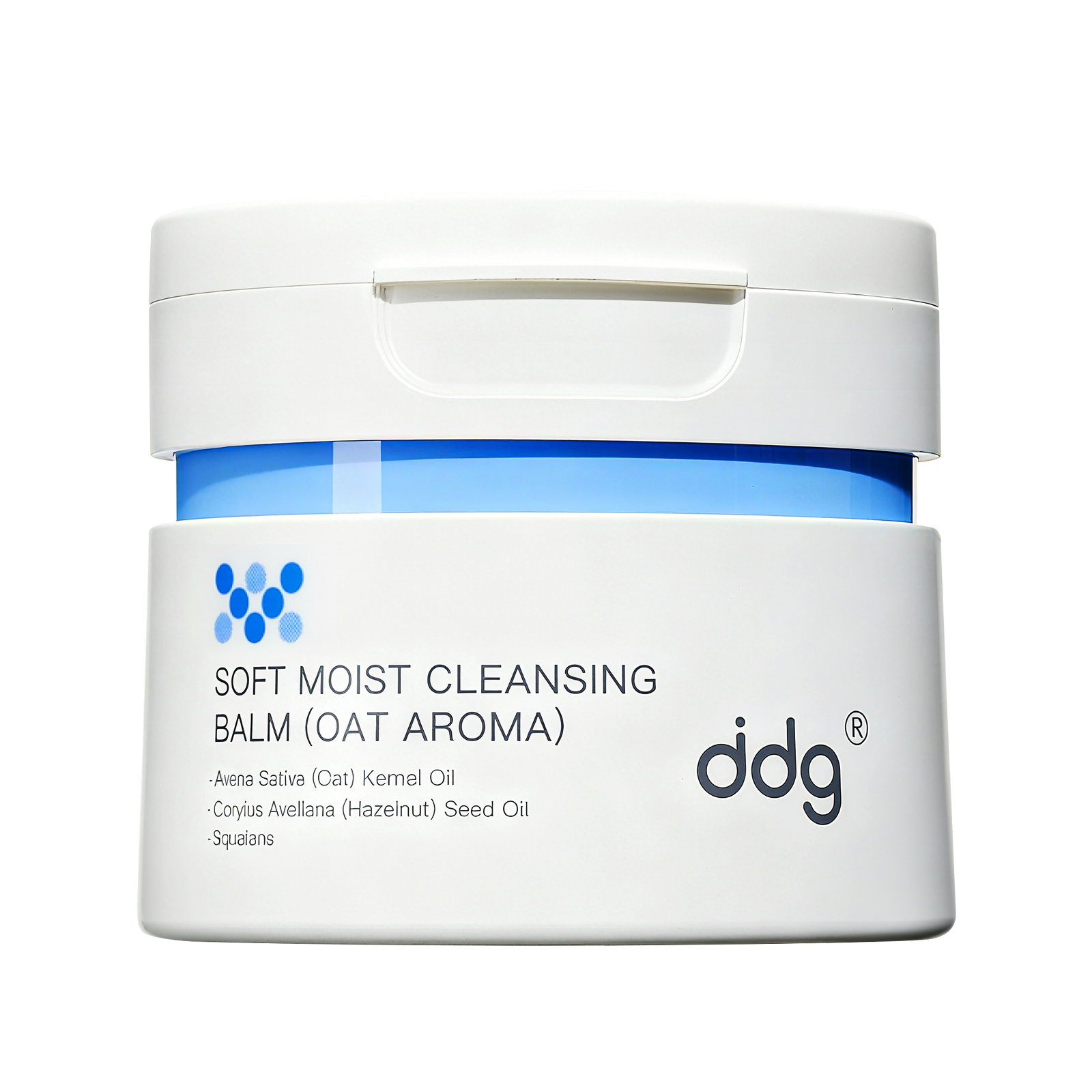
ddg Makeup Remover Cleansing Balm
The foundation of any active-acid routine: a cleanser that removes sunscreen, makeup, and excess oil without stripping your barrier. Oat Kernel Oil nourishes while you cleanse.
- Oat Kernel Oil — protects and strengthens the skin barrier
- 15-second makeup removal, no double cleansing needed
- Magnetic spatula for hygienic, mess-free use
- Gentle on sensitive, acne-prone, and redness-prone skin
How to Layer Them in Your Routine
Here's a complete AM and PM routine that incorporates both salicylic acid and azelaic acid (using the alternating strategy for beginners):
| Step | AM Routine | PM Routine (Night A — Salicylic) | PM Routine (Night B — Azelaic) |
|---|---|---|---|
| 1. Cleanse | Gentle cleanser or water rinse | Oil-based cleanser (remove SPF/makeup) | Oil-based cleanser |
| 2. Active | Azelaic acid 10% | Salicylic acid 2% serum | Azelaic acid 10% |
| 3. Wait | 1–2 minutes | 2–3 minutes | 1–2 minutes |
| 4. Moisturize | Lightweight moisturizer | Barrier-support moisturizer | Barrier-support moisturizer |
| 5. Protect | SPF 30+ (non-negotiable) | — | — |
Side Effects & Purging: What to Expect
Both acids can cause a temporary "purge" — a period where acne appears to worsen before improving. Understanding the difference between purging and a bad reaction is critical so you don't abandon an effective treatment too early.
Salicylic Acid Purging
- Onset: Within the first 1–2 weeks
- Duration: Usually 2–4 weeks
- Location: Appears in areas where you normally break out
- Type: Small whiteheads and blackheads coming to the surface
- Other signs: Mild dryness, slight peeling, temporary texture changes
- How to manage: Don't stop — reduce frequency to every other night. Add a barrier-repair moisturizer on off-nights.
Azelaic Acid Purging
- Onset: Within the first 1–2 weeks
- Duration: Usually 2–3 weeks (shorter and milder than BHA purging)
- Location: Existing breakout areas only
- Type: Few small pustules; mild tingling upon application
- Other signs: Temporary itching or stinging (subsides with continued use)
- How to manage: Apply over moisturizer ("sandwich method") for the first two weeks to buffer the sensation.
Red Flags: When It's NOT a Purge
If you experience any of the following, stop using the product immediately. This is irritation or an allergic reaction, not purging:
- Breakouts in areas where you never get acne
- Persistent burning, stinging, or redness that does not subside after 1 hour
- Hives, swelling, or blistering
- Breakouts continuing beyond 4–6 weeks with no improvement
- Dry, cracked, or weeping skin
Frequently Asked Questions
Q: Which is better for cystic acne — salicylic acid or azelaic acid?
For cystic acne specifically, azelaic acid may have an edge because it reduces deep inflammation and kills acne-causing bacteria within the pore. Salicylic acid, being oil-soluble, helps unclog pores but may not penetrate deeply enough to resolve cystic lesions on its own. Many dermatologists actually recommend combining both for stubborn cystic acne.
Q: Can I use salicylic acid and azelaic acid together?
Yes, salicylic acid and azelaic acid can be used together and actually complement each other well. Salicylic acid exfoliates inside the pore while azelaic acid fights bacteria and calms redness. The recommended approach is to apply salicylic acid first (due to its smaller molecular size and oil solubility), wait 2–3 minutes, then apply azelaic acid. Start by alternating nights to assess tolerance.
Q: How long does each take to work on acne?
Salicylic acid typically shows visible results on blackheads and whiteheads within 1–2 weeks. Azelaic acid usually takes 4–6 weeks for noticeable acne improvement, with full results emerging around 8–12 weeks. For post-inflammatory hyperpigmentation (dark marks), azelaic acid may take 8–16 weeks to significantly fade spots.
Q: Does azelaic acid cause purging like salicylic acid?
Azelaic acid can cause mild purging in some users, but it is typically less intense than salicylic acid purging. Salicylic acid's deep pore exfoliation triggers a more pronounced purge. Azelaic acid may cause temporary tingling or slight breakouts in the first 1–2 weeks. If breakouts persist beyond 4 weeks, it is more likely irritation rather than purging.
Q: Which is better for sensitive, acne-prone skin?
Azelaic acid is generally the better choice for sensitive, acne-prone skin. It is gentler than salicylic acid while still offering antibacterial and anti-inflammatory benefits. Azelaic acid is also a first-line treatment for rosacea and redness, making it ideal for skin that reacts easily. Salicylic acid can be drying and irritating for sensitive skin types.
Q: Can I use these acids during pregnancy?
Azelaic acid is generally considered pregnancy-safe and is often prescribed to pregnant women for acne and melasma. Salicylic acid in low concentrations (up to 2% in over-the-counter products) is considered low-risk by many dermatologists, but high-concentration chemical peels should be avoided. Always consult your healthcare provider before starting any new skincare during pregnancy.
Q: Should I use salicylic acid or azelaic acid in the morning or at night?
Salicylic acid can be used in either the morning or nighttime routine, but nighttime is often preferred because it can increase sun sensitivity. Azelaic acid is photostable and can be used morning and night. If you are using both, a common approach is salicylic acid at night and azelaic acid in the morning, or alternating them on different nights.
Your Skin, Your Choice
There is no universal "best" acid — only the best acid for your skin. Salicylic acid is the pore-clearing powerhouse that oily and congestion-prone skin craves. Azelaic acid is the gentle multitasker that calms, clears, and brightens in one step. And when used together strategically, they offer something neither can achieve alone: comprehensive acne management from pore to pigment.
What matters more than the ingredient itself is how you support your skin around it. Every active acid — whether BHA or dicarboxylic — performs better when your barrier is intact and your cleansing routine is gentle. A cleanser that strips your skin will amplify irritation from any active you layer on top. A cleanser that removes impurities while preserving moisture — like ddg's Oat Kernel Oil Cleansing Balm — sets the stage for your actives to do their best work without collateral damage.
At ddg, we believe skincare should be precise, not punishing. You don't need a 12-step routine to clear acne. You need the right ingredients, used at the right time, supported by a healthy barrier. That's the philosophy behind every product we formulate — because calm skin is clear skin.
Browse the full ddg collection →
Related Articles
- How to Use Azelaic Acid for Acne: A Complete Beginner's Guide — If azelaic acid sounds like the right fit, learn exactly how to introduce it into your routine, what to expect week by week, and how to avoid common beginner mistakes.
- Azelaic Acid vs Niacinamide: Which One Is Better for Your Skin? — Already leaning toward azelaic acid but curious how it stacks up against another derm-favorite? This head-to-head comparison breaks down the differences.
- How to Layer Skincare Ingredients Correctly: The Ultimate Guide — Once you've chosen your acids, the next challenge is ordering them properly. This master guide covers every rule, pairing, and mistake to avoid.