Best Ingredients for Hyperpigmentation: 5 Derm-Approved Picks
Hyperpigmentation — those stubborn dark spots, patches, and uneven tone that linger long after a breakout or a sunny afternoon — is one of the most common and frustrating skin concerns. The good news? It's also one of the most treatable. The key is knowing exactly which ingredients actually work, how they work, and how to use them together for maximum results without irritating your skin. Here are the five dermatologist-approved ingredients that deserve a spot in your routine.
Table of Contents
What Is Hyperpigmentation? A Quick Science Primer
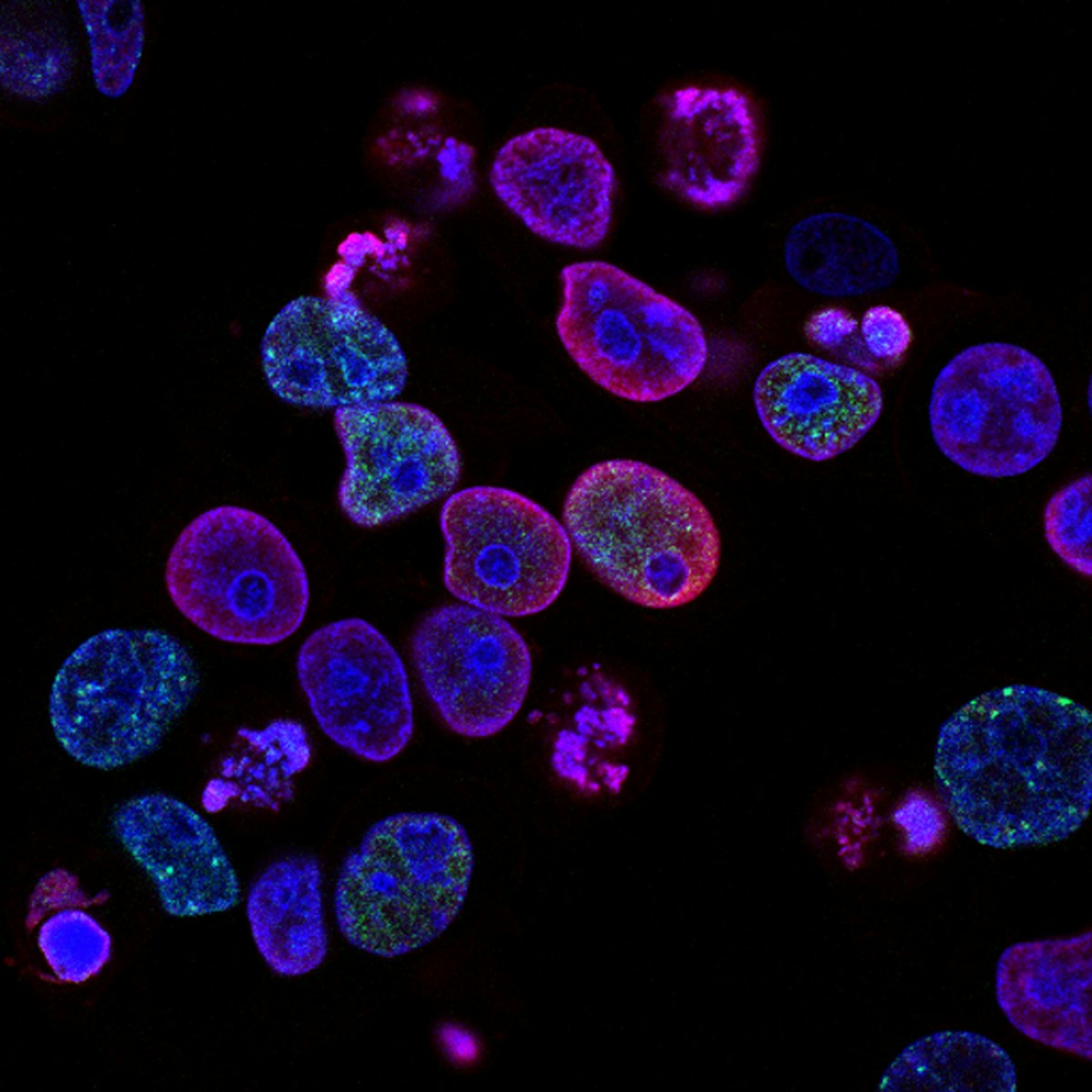
Hyperpigmentation happens when melanocytes — the cells that produce melanin (your skin's natural pigment) — go into overdrive. This overproduction can be triggered by UV exposure, inflammation (like acne), hormonal changes, or skin injury. The excess melanin clumps together in certain areas, creating visible dark spots, patches, or an overall uneven skin tone.
There are three main types you'll encounter:
- Post-Inflammatory Hyperpigmentation (PIH) — Flat brown or gray marks left after acne, eczema, or skin injury heals. Most common in medium to deep skin tones.
- Sunspots / Solar Lentigines — Brown spots caused by cumulative UV exposure, typically on the face, hands, and chest. More common with age.
- Melasma — Larger, symmetrical brown or gray-brown patches, often triggered by hormones (pregnancy, birth control) and worsened by sun and heat.

Key Takeaway: All hyperpigmentation shares one common enemy: the sun. UV radiation is the single biggest driver of melanin production. No matter which ingredients you choose from the list below, they won't deliver their full potential without daily sunscreen. Consider SPF 30+ the non-negotiable foundation of any hyperpigmentation treatment plan.
The Top 5 Ingredients, Ranked by Effectiveness
These five ingredients represent the gold standard for fading hyperpigmentation — each working through a different mechanism. The ranking reflects a combination of clinical evidence, versatility across skin types, and real-world tolerability.
| Rank | Ingredient | Primary Mechanism | Best For | Time to Results |
|---|---|---|---|---|
| 1 | Azelaic Acid | Tyrosinase inhibition + anti-inflammatory | PIH, PIE, all skin tones | 4–6 weeks |
| 2 | Vitamin C (L-Ascorbic Acid) | Antioxidant + tyrosinase inhibition | Sunspots, dullness, overall brightening | 4–8 weeks |
| 3 | Niacinamide | Melanosome transfer blockade | Overall tone, barrier support, PIH prevention | 8–12 weeks |
| 4 | Retinoids | Accelerated cell turnover | Stubborn PIH, texture + pigmentation | 8–12 weeks |
| 5 | AHAs (Glycolic & Lactic Acid) | Surface exfoliation of pigmented cells | Superficial dark spots, dull skin | 4–8 weeks |
Azelaic Acid — The Most Versatile Brightener
If you could only pick one ingredient for hyperpigmentation, azelaic acid would be the strongest contender. It's a naturally occurring dicarboxylic acid that works through three complementary mechanisms: it inhibits tyrosinase (the enzyme that produces melanin), it's selectively cytotoxic to abnormal melanocytes (meaning it targets overactive pigment cells while leaving healthy ones alone), and it's powerfully anti-inflammatory — which is critical because inflammation is what triggers PIH in the first place.
What makes azelaic acid uniquely valuable is that it's safe and effective across all Fitzpatrick skin types, including deeper tones where other treatments (like strong chemical peels or certain lasers) can paradoxically worsen hyperpigmentation. It's also the rare ingredient that treats both PIH and active acne simultaneously — meaning you can fade old marks while preventing new ones from forming.
- Concentration: 10% OTC; 15–20% prescription
- How to use: Apply to clean, dry skin AM and/or PM before moisturizer
- Pairs best with: Niacinamide, sunscreen, gentle moisturizers
- Watch for: Mild itching or tingling in the first 1–2 weeks — this is normal and usually subsides
Vitamin C (L-Ascorbic Acid) — The Antioxidant Brightener
Vitamin C earns its #2 spot for two reasons: it's a potent tyrosinase inhibitor that directly reduces melanin production, and it's a powerful antioxidant that neutralizes the free radicals that trigger pigmentation in the first place. Used in the morning under sunscreen, it provides a synergistic brightening + photoprotective effect that no other ingredient can match.
The catch? Vitamin C is notoriously unstable. It oxidizes when exposed to light, air, and heat — turning from clear to yellow to brown, at which point it's not only ineffective but potentially irritating. This is why formulation matters enormously. Look for L-ascorbic acid at 10–20% concentration in an airtight, opaque pump bottle, ideally with stabilizing companions like vitamin E and ferulic acid that boost its potency and shelf life.
- Concentration: 10–20% L-ascorbic acid (the pure, active form)
- How to use: Every morning on clean, dry skin; wait 60 seconds before layering
- Pairs best with: Sunscreen (synergistic), ferulic acid, vitamin E
- Watch for: Oxidation (color change to yellow/brown = discard), stinging on broken skin
Niacinamide — The Barrier-Building Brightener
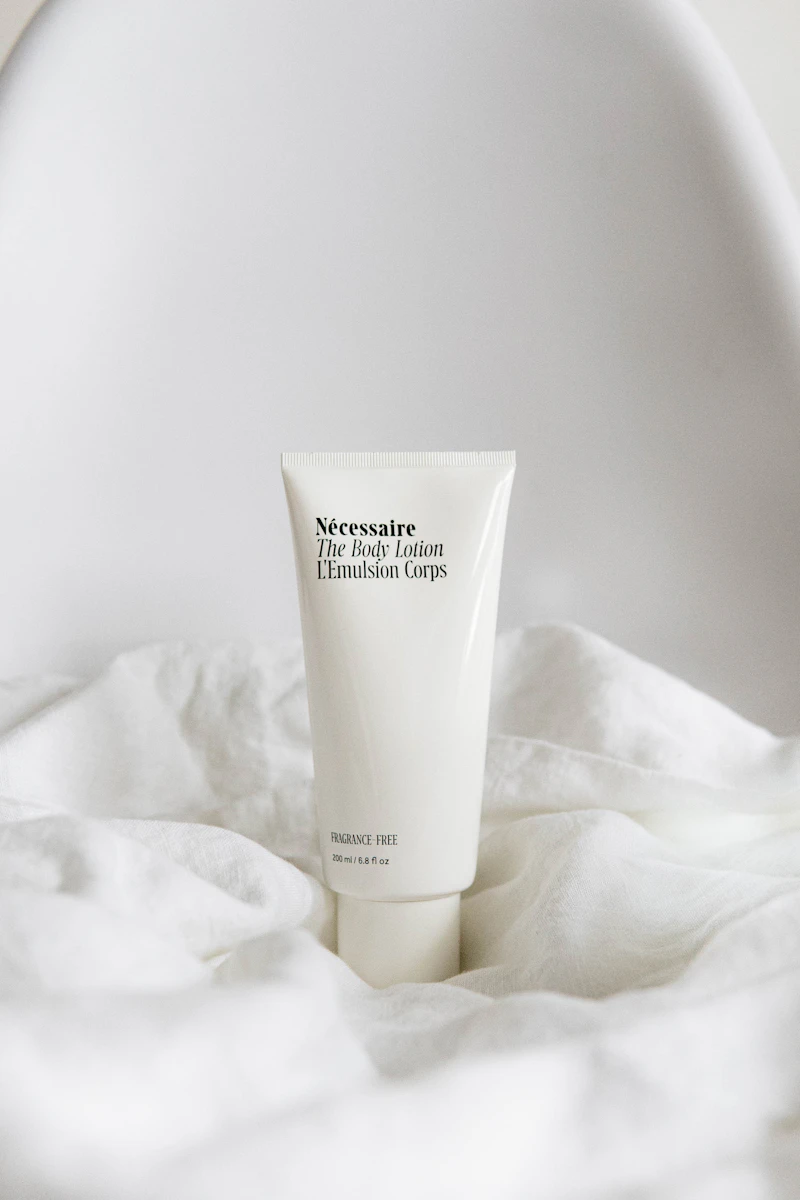
Niacinamide (vitamin B3) takes a different path to brighter skin. Instead of directly inhibiting melanin production, it blocks the transfer of melanin from melanocytes to surrounding skin cells — essentially intercepting the pigment before it reaches the surface where it becomes visible. This makes niacinamide a gentler, slower-but-steadier brightener that's exceptionally well-tolerated.
Beyond brightening, niacinamide strengthens the skin barrier (boosting ceramide production), regulates oil production, and calms inflammation — making it a multitasking workhorse that supports the skin's overall health while it fades dark spots. It's one of the few ingredients that works beautifully at nearly any concentration (2–20%) and plays well with virtually every other active — including azelaic acid and retinoids.
- Concentration: 4–5% for hyperpigmentation; up to 10% for oily skin
- How to use: AM and/or PM after cleansing, before moisturizer
- Pairs best with: Azelaic acid, retinoids, peptides, ceramides — almost everything
- Watch for: Rare flushing at high concentrations (above 10%), which is temporary
Retinoids — The Deep-Penetrating Renewer
Retinoids (including OTC retinol and prescription tretinoin) address hyperpigmentation from the inside out. By accelerating epidermal turnover, they push fresh, un-pigmented cells to the surface faster while simultaneously regulating melanin distribution in deeper skin layers. They also stimulate collagen production, which helps with any shallow textural irregularities that often accompany post-acne marks.
Retinoids earn the #4 spot — not because they're less effective (they're among the most powerful options available), but because they require more patience and careful handling. The adjustment period can involve dryness, peeling, and irritation that, if not managed properly, can actually worsen hyperpigmentation by triggering new inflammation. Using the sandwich method (moisturizer → retinoid → moisturizer) dramatically improves tolerability without sacrificing results.
- Concentration: Start with 0.25–0.5% retinol OTC; tretinoin requires a prescription
- How to use: PM only, 2–3 nights per week to start; pea-sized amount for the entire face
- Pairs best with: Niacinamide, ceramides, peptides; never with AHAs on the same night
- Watch for: Retinoid dermatitis (redness, peeling, stinging) — back off frequency if this occurs
AHAs (Glycolic & Lactic Acid) — The Surface Exfoliators
Alpha hydroxy acids round out the top five as the surface-level workhorses. Glycolic acid — the smallest AHA molecule — penetrates the deepest and is the most effective at dissolving the bonds between dead, pigmented skin cells, revealing brighter skin underneath. Lactic acid is slightly larger and gentler, with the added benefit of being a humectant that draws moisture into the skin while it exfoliates.
AHAs work best for superficial hyperpigmentation — those dark spots that sit closer to the skin's surface. They're also excellent for improving overall skin radiance and texture. The key limitation: AHAs increase photosensitivity, making sunscreen absolutely critical (even more than usual) for at least a week after use.
- Concentration: 5–10% glycolic acid or lactic acid for home use
- How to use: PM only, 1–3 nights per week; never on the same night as retinoids
- Pairs best with: Niacinamide, ceramides, hydrating ingredients
- Watch for: Over-exfoliation (tight, shiny, stinging skin) — a damaged barrier darkens marks, not fades them
Honorable Mentions: Ingredients Worth Knowing
These ingredients didn't make the top five but are well-supported by research and worth incorporating if your skin needs a gentler approach or an extra boost:
Tranexamic Acid
Reduces UV-induced plasmin activity; particularly effective for melasma. Available in serums at 2–5%.
Kojic Acid
A fungal-derived tyrosinase inhibitor. Potent but can be irritating at higher concentrations.
Licorice Root Extract
Contains glabridin, which inhibits tyrosinase without cytotoxicity. Gentle enough for sensitive skin.
Arbutin / Alpha-Arbutin
A stable, gentler precursor to hydroquinone. Slower than pure HQ but far lower irritation risk.
Ingredient Pairing Matrix: What Works Together
One hyperpigmentation ingredient is good. Two or three that work through complementary mechanisms is dramatically better — but only if they're paired correctly. Here's your quick-reference compatibility guide:

| Ingredient A | Ingredient B | Compatible? | Best Use |
|---|---|---|---|
| Azelaic Acid | Niacinamide | ✅ Perfect pair | AM together or layered. Both gentle, complementary mechanisms. |
| Vitamin C | Sunscreen | ✅ Synergistic | AM: Vitamin C first, then SPF. Boosts photoprotection. |
| Azelaic Acid | Vitamin C | ✅ Compatible | AM: Vitamin C first (thinner, pH-dependent), then azelaic acid after 60s. |
| Retinoids | Niacinamide | ✅ Excellent pair | PM: Niacinamide buffers retinoid irritation while boosting brightening. |
| Azelaic Acid | Retinoids | ✅ Veteran combo | PM: Azelaic acid + retinoid on alternate nights for experienced users. |
| Vitamin C | Niacinamide | ✅ Compatible | AM or PM: old myth about incompatibility has been debunked. |
| Retinoids | AHAs | ⚠️ Separate nights | Never same routine. Alternate nights: AHA night → retinoid night → recovery. |
| AHAs | Vitamin C | ⚠️ Separate routines | AHA PM, Vitamin C AM. Both at low pH = irritation risk if used together. |

28-Day Glass Skin Renewal Set
Toner + Serum + Lotion — a complete brightening and barrier-repair protocol
- Ceramide + Peptide + Hyaluronic Acid — repairs barrier while supporting even skin tone
- 28-day protocol clinically designed to calm, hydrate, and brighten
- Lightweight, fast-absorbing texture — layers perfectly under or over treatment actives
How to Build a Hyperpigmentation-Fighting Routine
Ingredients are only as good as the routine that delivers them. Here's how to layer your chosen brighteners for maximum results with minimum irritation:
Starter Routine (Month 1)
If you're new to hyperpigmentation treatment, start with the gentlest, most reliable foundation:
- AM: Gentle cleanser → Niacinamide serum → Moisturizer → SPF 30+
- PM: Gentle cleansing balm (if wearing SPF/makeup) → Water-based cleanser → Azelaic acid → Moisturizer
- Frequency: Azelaic acid every other night for week 1, then nightly as tolerated
Advanced Routine (Month 2+)
Once your skin has adapted to azelaic acid + niacinamide without irritation (typically 3–4 weeks), layer in additional actives:
- AM: Gentle cleanser → Vitamin C serum (wait 60s) → Niacinamide → Moisturizer → SPF 30+
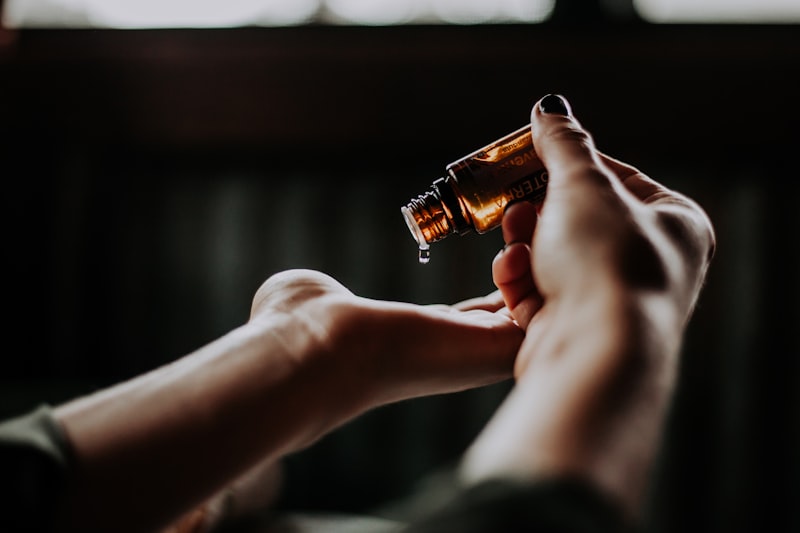
- PM Rotation: Night 1: Azelaic acid → Moisturizer | Night 2: Retinoid (buffer with moisturizer first) | Night 3: AHA (glycolic or lactic) → Moisturizer | Night 4: Recovery (moisturizer only)
Key Takeaway: This 4-night rotation — AHA, Retinoid, Recovery, Azelaic Acid — is a skin cycling approach that delivers results from every angle (surface, mid-layer, deep dermis) without overwhelming your barrier. The recovery night isn't wasted time — it's when your skin actively repairs and pigment clears most efficiently.
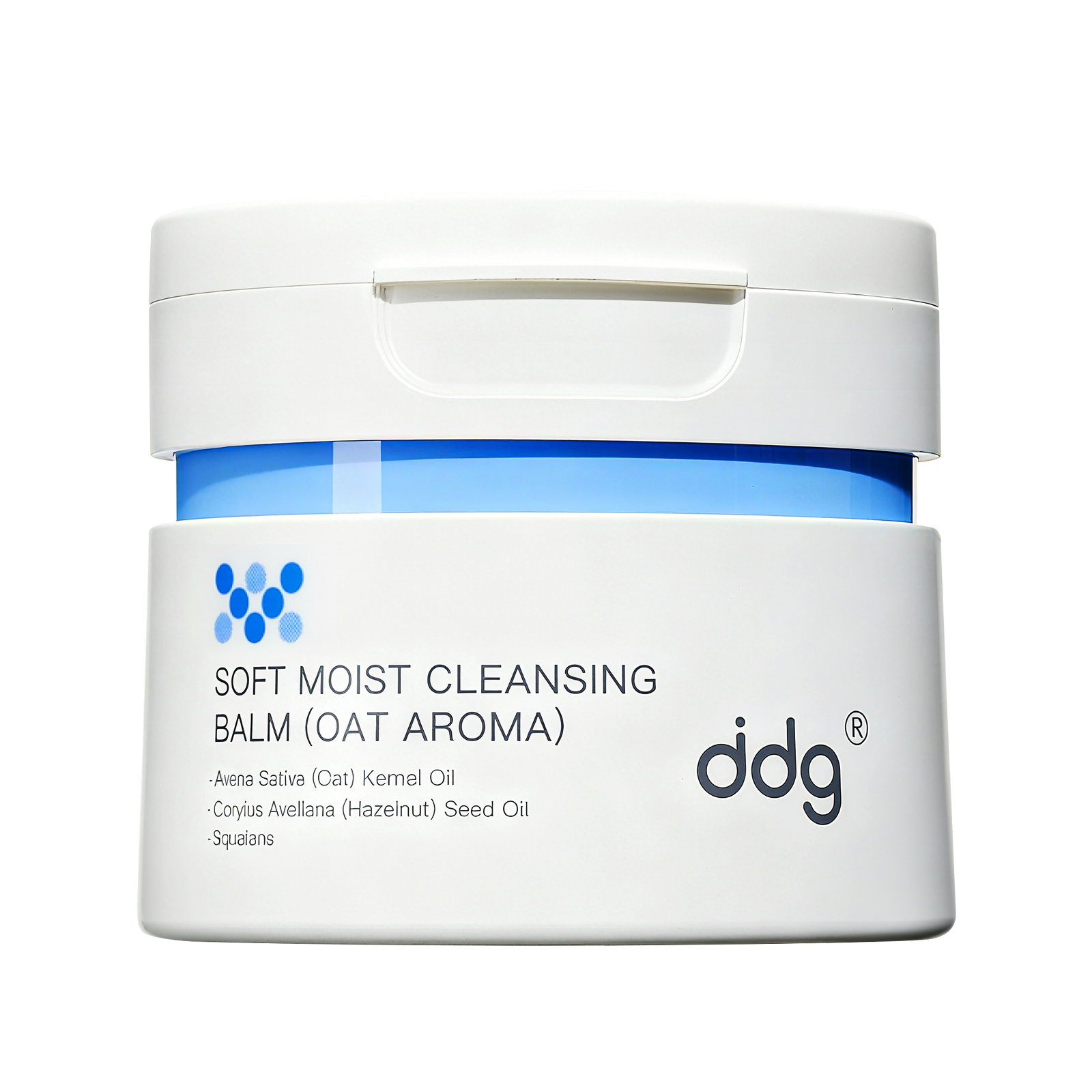
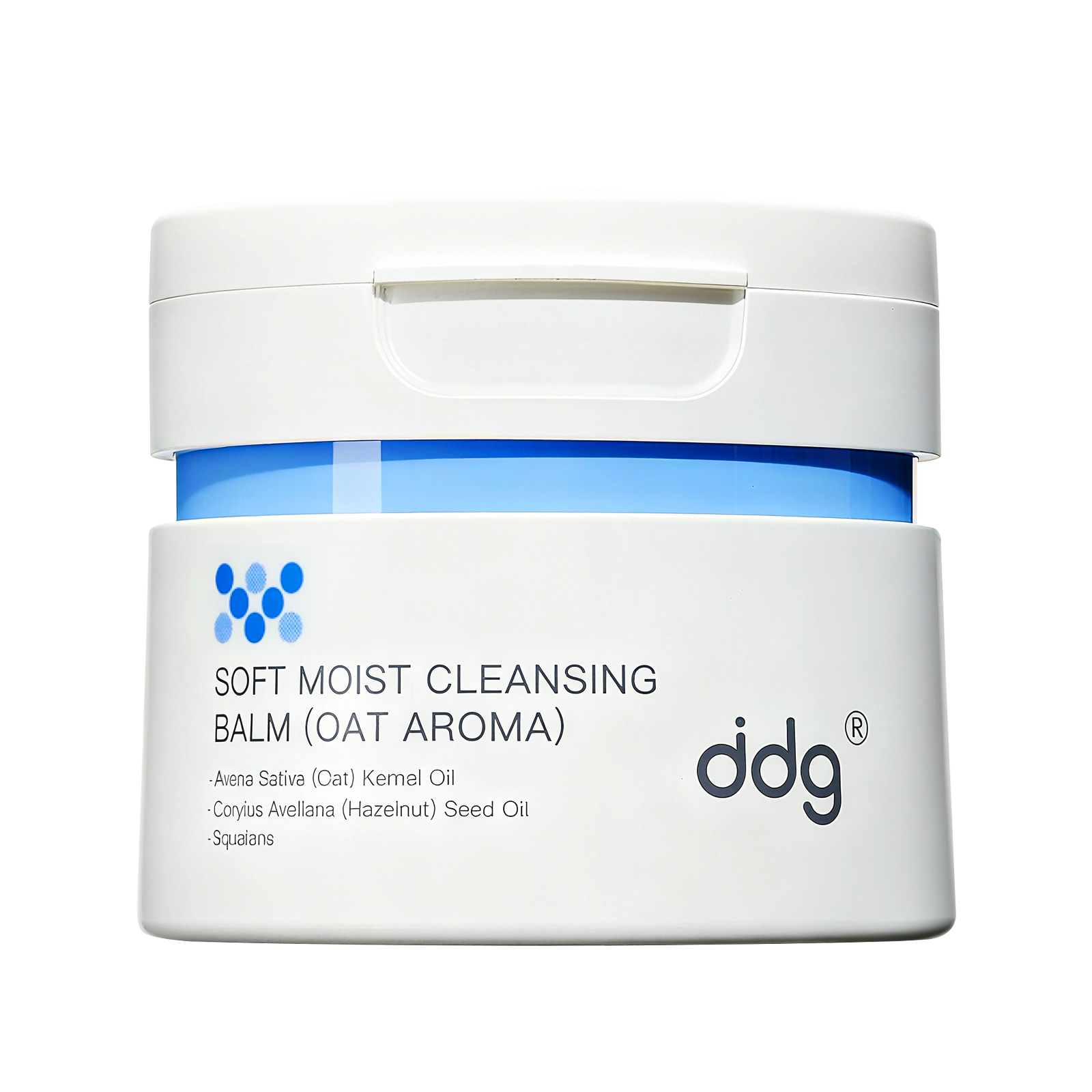
ddg Makeup Remover Cleansing Balm
A gentle, non-stripping first-cleanse that protects your skin barrier
- Oat Kernel Oil + Squalane — melts sunscreen and impurities without disrupting pH
- Non-stripping formula — critical when your barrier is working hard to absorb actives
- Magnetic spatula included — keeps product contamination-free
Skin-Type-Specific Adjustments
Oily / Acne-Prone Skin
Your advantage: higher cell turnover means faster pigment clearance. Your risk: active breakouts keep triggering new PIH. Prioritize azelaic acid + niacinamide — they treat acne and marks simultaneously. Use gel-based moisturizers and oil-free SPF. Avoid heavy occlusives that might clog pores.
Dry / Dehydrated Skin
Your priority is barrier integrity — a compromised barrier stalls pigment clearance. Choose lactic acid over glycolic for gentler exfoliation with added hydration. Always buffer retinoids with moisturizer (sandwich method). Look for ceramide + peptide formulations that repair your barrier while you treat hyperpigmentation.
Deeper Skin Tones (Fitzpatrick IV–VI)
You're at higher risk for treatment-induced hyperpigmentation — the very thing you're trying to fix. Avoid aggressive peels and harsh scrubs. Azelaic acid is your safest and most effective starting point. Niacinamide is your gentlest long-term maintenance ingredient. Introduce retinoids and AHAs very slowly — start at once weekly, and never increase frequency if any irritation appears.
Sensitive / Rosacea-Prone Skin
Skip AHAs entirely for the first 8 weeks. Start with azelaic acid (it's actually FDA-approved for rosacea, so it treats both redness and dark spots). Niacinamide is your second addition. Introduce vitamin C only after your skin has tolerated azelaic acid for at least a month. Retinoids may never be necessary — and for you, that's okay. Gentle consistency beats aggressive treatment every time.
Common Mistakes That Slow Down Results
- Skipping Sunscreen — This is the #1 reason hyperpigmentation treatments fail. UV exposure activates melanocytes within minutes, undoing days of brightening effort. SPF 30+ every single morning, rain or shine, no exceptions.
- Product Hopping — Switching serums every two weeks because "it's not working yet" guarantees it never will. Most hyperpigmentation ingredients need 6–12 weeks of consistent use. Pick your ingredients and commit.
- Over-Exfoliating — Using AHAs every night plus a scrub plus a retinoid is a fast track to a damaged barrier — and a damaged barrier triggers more inflammation and more pigmentation. Less is genuinely more.
- Ignoring the Barrier — Brightening actives only work when your skin barrier is intact. If your face stings when you apply moisturizer, pause all actives for 3–5 days and focus on barrier repair.
- Treating Pigment Without Addressing the Trigger — If you're still breaking out actively, you're treating marks on a moving target. Get active acne under control first, then focus on the marks.
Frequently Asked Questions
Which ingredient works fastest for hyperpigmentation?
Azelaic acid and prescription-strength retinoids (tretinoin) tend to show the fastest visible results — typically within 4 to 6 weeks of consistent use. Vitamin C at 15–20% concentration is also fast-acting when paired with daily sunscreen. However, "fast" is relative: even the most effective ingredients require at least a full skin cycle (28–40 days) before you'll notice meaningful fading. Consistency and sun protection are the real accelerators — no ingredient works quickly without them.
Can I use multiple hyperpigmentation ingredients together?
Yes — and combining ingredients through different mechanisms is actually the most effective strategy. For example, azelaic acid + niacinamide is a gentle, well-tolerated combination that works on both melanin production and melanosome transfer. Vitamin C + sunscreen is another synergistic pair. However, avoid layering two strong exfoliants (like glycolic acid + retinol) in the same routine — this damages your skin barrier and can worsen hyperpigmentation. Introduce one new ingredient every 2–4 weeks and alternate strong actives on different nights.
Does azelaic acid work for hyperpigmentation on all skin tones?
Yes — azelaic acid is one of the few hyperpigmentation ingredients that is safe and effective across all Fitzpatrick skin types (I through VI). Unlike some lasers and strong chemical peels that can trigger post-inflammatory hyperpigmentation in deeper skin tones, azelaic acid selectively targets abnormal melanocytes without affecting normal pigment cells. This makes it a particularly valuable option for medium to deep skin tones where treatment-induced hyperpigmentation is a real concern.
How long does it take to see results from hyperpigmentation ingredients?
Timelines vary by ingredient and the depth of your hyperpigmentation. Superficial dark spots (epidermal) can show visible fading in 4–6 weeks with consistent azelaic acid or vitamin C use. Deeper dermal hyperpigmentation may take 3–6 months. Retinoids and AHAs typically show noticeable improvement by weeks 8–12. The most important variable isn't the ingredient — it's whether you're using sunscreen every day. Without UV protection, even the strongest brightening ingredients are fighting an uphill battle.
Is vitamin C better in the morning or at night for hyperpigmentation?
Morning is the optimal time for vitamin C. L-ascorbic acid is a potent antioxidant that neutralizes UV-induced free radicals and boosts your sunscreen's photoprotection — a synergistic benefit you don't get at night. Apply vitamin C to clean, dry skin, wait 60 seconds for absorption, then layer sunscreen on top. If morning application causes irritation, you can use it at night instead and still benefit from its tyrosinase-inhibiting (brightening) effects — but you'll miss the daytime antioxidant boost.
Can hyperpigmentation treatments cause skin purging?
Ingredients that accelerate cell turnover — like retinoids and AHAs — can cause temporary purging (small breakouts as clogged pores surface faster). Azelaic acid may also cause a mild purge in the first 2–3 weeks. This is normal and should subside by week 4. However, if you experience persistent burning, stinging, or dark spots that look darker rather than lighter, that's a sign of irritation — not purging. Pause all actives, focus on barrier repair, and reintroduce slowly. True allergic reactions (hives, swelling) warrant stopping the product immediately.
Do I need a prescription for effective hyperpigmentation treatment?
No — many of the most effective hyperpigmentation ingredients are available over the counter. Azelaic acid (up to 10%), niacinamide (up to 20%), vitamin C (up to 20%), glycolic acid (up to 10%), and retinol (up to 1%) can all be purchased without a prescription and deliver significant results when used consistently. Prescription-strength options like tretinoin, hydroquinone, and higher-concentration azelaic acid (15–20%) can accelerate results but require a dermatologist's supervision. For most people, an OTC routine is sufficient — and gentler on the skin.
The Bottom Line
Hyperpigmentation is stubborn, but it's not permanent. The science is clear: tyrosinase inhibitors (azelaic acid, vitamin C) combined with cell-turnover accelerators (retinoids, AHAs) and a melanin-transfer blocker (niacinamide) create a multi-pathway approach that fades dark spots faster than any single ingredient alone — all anchored by daily sunscreen that prevents new pigment from forming.
At ddg Beauty, every product we formulate is built on this principle: effective doesn't have to mean harsh. Our 28-Day Glass Skin Renewal Set was designed as a gentle, barrier-supporting foundation for skin that's actively being treated with brightening actives — because we know that the best hyperpigmentation routine is one your skin can actually tolerate, day after day, for the months it takes to see real results.
Browse our full collection to find the right products to support your hyperpigmentation journey.
Related Articles
- How to Get Rid of Post Acne Marks Fast: A Complete Guide — A step-by-step treatment plan for PIE, PIH, and stubborn dark spots from acne.
- Azelaic Acid vs Niacinamide: Which One Is Better for Your Skin? — A head-to-head comparison of the two gentlest, most versatile hyperpigmentation ingredients.
- How to Layer Skincare Ingredients Correctly: The Ultimate Guide — Master the order of application so your brightening actives actually absorb and work.