Is Azelaic Acid Good for Rosacea? What Science Says
If you have rosacea, you've probably tried everything — from green-tinted moisturizers to prescription creams that stung more than they helped. Then someone mentions azelaic acid, and you wonder: is this actually going to work, or is it just another skincare trend that'll leave my face redder than before? Here's the short answer: azelaic acid is one of the most clinically validated treatments for rosacea, and it's FDA-approved specifically for this condition. But the full answer — including how it works, what to expect week by week, and how to use it without irritating already-sensitive skin — is what we're diving into today.

Table of Contents
- What Is Rosacea? A Quick Primer
- How Azelaic Acid Works for Rosacea (4 Mechanisms)
- Clinical Evidence: What the Studies Actually Show
- Azelaic Acid vs Other Rosacea Treatments
- How to Use Azelaic Acid for Rosacea Safely
- What to Expect: A Realistic Improvement Timeline
- The Rosacea-Safe Skincare Routine
- 5 Mistakes That Make Rosacea Worse
- Frequently Asked Questions
What Is Rosacea? A Quick Primer
Rosacea is a chronic inflammatory skin condition affecting an estimated 16 million Americans. It's not just "having red cheeks" — it's a complex disorder with multiple subtypes and triggers. The most common form (papulopustular rosacea, or subtype 2) causes persistent facial redness, visible blood vessels, and acne-like bumps that are not acne — they're inflammatory lesions driven by an overactive immune response and often by an overgrowth of Demodex mites on the skin.
The tricky part about rosacea is that it involves multiple inflammatory pathways at once: mast cell activation, cathelicidin dysregulation, toll-like receptor 2 (TLR2) overexpression, and increased reactive oxygen species (ROS). A treatment needs to address several of these pathways simultaneously to be truly effective. This is exactly why azelaic acid stands out.
Key Insight: Rosacea isn't just a cosmetic redness issue — it's a chronic inflammatory disease. Successful treatment needs anti-inflammatory action, not just symptom masking.
How Azelaic Acid Works for Rosacea (4 Mechanisms)
Azelaic acid is a naturally occurring dicarboxylic acid found in grains like wheat, rye, and barley. But its therapeutic effects on rosacea come from four distinct mechanisms that align almost perfectly with rosacea's underlying pathology:

1. Anti-Inflammatory Action (The Main Event)
Azelaic acid is a potent inhibitor of kallikrein-5 (KLK5), the protease enzyme that activates cathelicidin into LL-37 — a pro-inflammatory peptide that's abnormally elevated in rosacea skin. By suppressing this pathway, azelaic acid directly reduces the inflammatory cascade that causes redness, swelling, and burning sensations. It also inhibits the production of reactive oxygen species (ROS) by neutrophils, reducing oxidative stress in the skin by up to 50% in some studies.
2. Anti-Microbial Properties
Rosacea is often linked to an overgrowth of Demodex folliculorum mites and the bacteria Bacillus oleronius they carry. Azelaic acid has direct antibacterial activity against a broad range of microorganisms, including those associated with rosacea, without disrupting the skin's beneficial microbiome the way antibiotics can.
3. Anti-Keratinizing Effects
Abnormal keratinization (irregular shedding of skin cells) contributes to clogged follicles and the formation of papules and pustules in rosacea. Azelaic acid normalizes the keratinization process — but without the harsh exfoliation that makes AHAs and BHAs problematic for rosacea-prone skin. This gentle normalization is key to reducing bumps without causing irritation.
4. Tyrosinase Inhibition (Bonus Benefit)
Many rosacea patients also struggle with post-inflammatory hyperpigmentation (PIH) after flare-ups subside. Azelaic acid is a competitive inhibitor of tyrosinase, the enzyme that drives melanin production. This means it can fade dark spots while treating the underlying inflammation — a dual benefit that few other rosacea treatments offer.
Clinical Evidence: What the Studies Actually Show
Azelaic acid isn't just theoretically good for rosacea — there are robust clinical trials backing it up. The 15% gel formulation (Finacea) underwent multiple Phase III trials before FDA approval in 2002. Here's what the data tells us:
| Study | Formulation | Duration | Key Result |
|---|---|---|---|
| Thiboutot et al., 2003 (n=664) | 15% AzA gel vs vehicle | 12 weeks | 58% reduction in inflammatory lesions vs 40% placebo; erythema improvement in 44% vs 29% |
| Elewski et al., 2003 (n=251) | 15% AzA gel vs metronidazole 0.75% | 15 weeks | AzA superior to metronidazole for lesion reduction (72.7% vs 55.8%) |
| Draelos et al., 2015 (n=40) | 15% AzA foam | 12 weeks | Significant improvement in both inflammatory lesions and erythema; well-tolerated by sensitive skin |
| Thiboutot et al., 2008 (n=335) | 15% AzA gel, long-term | 12 months | Sustained efficacy with no new safety signals; 76.9% maintained improvement through month 12 |
| Del Rosso et al., 2008 | 15% AzA gel | Meta-analysis | AzA consistently effective for papulopustular rosacea; onset of action typically within 4 weeks |
The Bottom Line: In head-to-head trials, azelaic acid 15% gel performed as well as or better than metronidazole — historically the most prescribed rosacea medication — with a favorable safety profile. The key is patience: measurable results take 4 weeks, and optimal results take 12+ weeks.
Azelaic Acid vs Other Rosacea Treatments
Azelaic acid doesn't exist in a vacuum. Here's how it stacks up against other common rosacea therapies your dermatologist might discuss:
| Treatment | Mechanism | Speed of Results | Best For | Key Limitation |
|---|---|---|---|---|
| Azelaic Acid 15% | Anti-inflammatory + Anti-microbial + Anti-keratinizing | 4–8 weeks | Papulopustular rosacea, PIH, pregnancy-safe | Mild initial stinging; requires consistent use |
| Metronidazole 0.75%/1% | Anti-inflammatory + Anti-microbial | 4–8 weeks | Mild to moderate rosacea | Less effective for background redness; no pigment benefits |
| Ivermectin 1% (Soolantra) | Anti-parasitic (Demodex) + Anti-inflammatory | 4–12 weeks | Moderate to severe; Demodex-driven | Prescription-only; expensive without insurance |
| Brimonidine/Oxymetazoline | Vasoconstriction (shrinks blood vessels) | 30 minutes | Persistent background redness (erythema) | Temporary (12h); risk of rebound redness; no effect on bumps |
| Oral Doxycycline (low-dose) | Anti-inflammatory (sub-antimicrobial dose) | 2–4 weeks | Moderate to severe; rapid relief needed | Systemic side effects; not for long-term use |
What makes azelaic acid unique is its combination of mechanisms — it's the only topical that simultaneously treats bumps, background redness (to a degree), and post-inflammatory marks, all while being safe for long-term use and pregnancy. No other single topical offers this triple advantage.
How to Use Azelaic Acid for Rosacea Safely
Using azelaic acid correctly is just as important as using it at all — especially when your skin barrier is already compromised by rosacea. Follow this step-by-step protocol:
Step 1: Start with the Right Percentage
- OTC (10% or less): Start here. Available in serums, creams, and suspensions without a prescription. Good for mild rosacea or as a maintenance option.
- Prescription (15% gel or foam): The most studied concentration. If OTC isn't cutting it after 8 weeks, ask your dermatologist about Finacea or generic 15% azelaic acid gel.
- 20% cream: Available in some countries (e.g., Skinoren). More potent but potentially more irritating — reserve for severe cases under medical supervision.
Step 2: The Application Protocol
- Cleanse gently. Use a fragrance-free, non-foaming cleanser. No scrubbing, no hot water, no washcloths. Pat dry — don't rub.
- Wait until skin is completely dry. Applying azelaic acid to damp skin dramatically increases penetration and can cause stinging. Wait 5–10 minutes after cleansing.
- Apply a pea-sized amount. A thin layer across the entire face (not just red areas). Less is more — thick application increases irritation without improving results.
- Wait 2–5 minutes. Let it absorb before applying moisturizer.
- Seal with a barrier-supportive moisturizer. Ceramides, squalane, or oat-based moisturizers are ideal.
- Finish with SPF 30+ in the morning. Non-negotiable. UV exposure is a major rosacea trigger.
Step 3: Frequency Ramp-Up Schedule
| Week | Frequency | Notes |
|---|---|---|
| Week 1 | Every other night | Use the sandwich method if needed. Monitor for stinging >15 min. |
| Week 2 | Once daily (PM) | Switch to direct application if tolerated. |
| Week 3–4 | Once daily (PM) | Skin should be acclimated. If irritation returns, drop back to every other day. |
| Week 5+ | Twice daily (AM + PM)* | *Only if tolerated and recommended by your dermatologist. Many rosacea patients do well with once-daily long-term. |
What to Expect: A Realistic Improvement Timeline
Setting realistic expectations is crucial because rosacea treatments — azelaic acid included — are marathons, not sprints. Here's what the clinical data and patient experiences tell us:
| Timeframe | What's Happening | What You'll Notice |
|---|---|---|
| Week 1–2 | Skin acclimating; anti-inflammatory pathways activating | Possible mild tingling for 5–10 minutes after application. Some notice slightly calmer skin within days. |
| Week 3–4 | KLK5 suppression building; keratinization normalizing | New inflammatory bumps begin decreasing. Existing bumps heal faster. Tingling diminishes or disappears. |
| Week 4–8 | Therapeutic threshold reached for most patients | Noticeable reduction in papules and pustules. Background redness begins to soften. Skin texture feels smoother. |
| Week 8–12 | Peak efficacy window for inflammatory lesions | Significant improvement in bumps (50–70% reduction is common). Redness continues improving. Post-inflammatory marks fading. |
| Month 3–6 | Maintenance phase; full erythema benefits unfolding | Background redness at its lowest point. Fewer and less intense flare-ups. Skin feels more resilient to triggers. |
| Month 6–12 | Long-term stabilization | Sustained clearance. Reduced trigger sensitivity. Some telangiectasia (visible vessels) may remain — azelaic acid doesn't erase existing vessels. |
Important: Azelaic acid reduces background redness (erythema) through anti-inflammatory effects, but it does not eliminate visible blood vessels (telangiectasia). For existing broken capillaries, laser or IPL treatments are the appropriate option. Think of azelaic acid as preventing new damage while calming the overall complexion.
The Rosacea-Safe Skincare Routine

Azelaic acid works best when it's part of a comprehensive, rosacea-aware routine. Every product you layer matters — the wrong cleanser or moisturizer can undo azelaic acid's benefits.
The Morning Routine (AM)
- Rinse with lukewarm water only. Most rosacea-prone skin doesn't need a morning cleanser — water is enough and preserves your barrier.
- Apply azelaic acid (if using twice daily and skin tolerates it).
- Barrier-supportive moisturizer. Look for ceramides, niacinamide (low %), squalane, or oat-derived ingredients.
- Mineral sunscreen SPF 30+. Zinc oxide and titanium dioxide are less irritating than chemical filters. Reapply every 2 hours if outdoors.
The Evening Routine (PM)
- Gentle cleanse. A fragrance-free cleansing balm or cream cleanser is ideal — something that dissolves the day without stripping.
- Pat dry and wait 5–10 minutes.
- Apply azelaic acid. Pea-sized amount, thin layer.
- Wait 2–5 minutes. Let it absorb.
- Moisturizer. Apply generously. Night is when your barrier repairs — give it the support it needs.
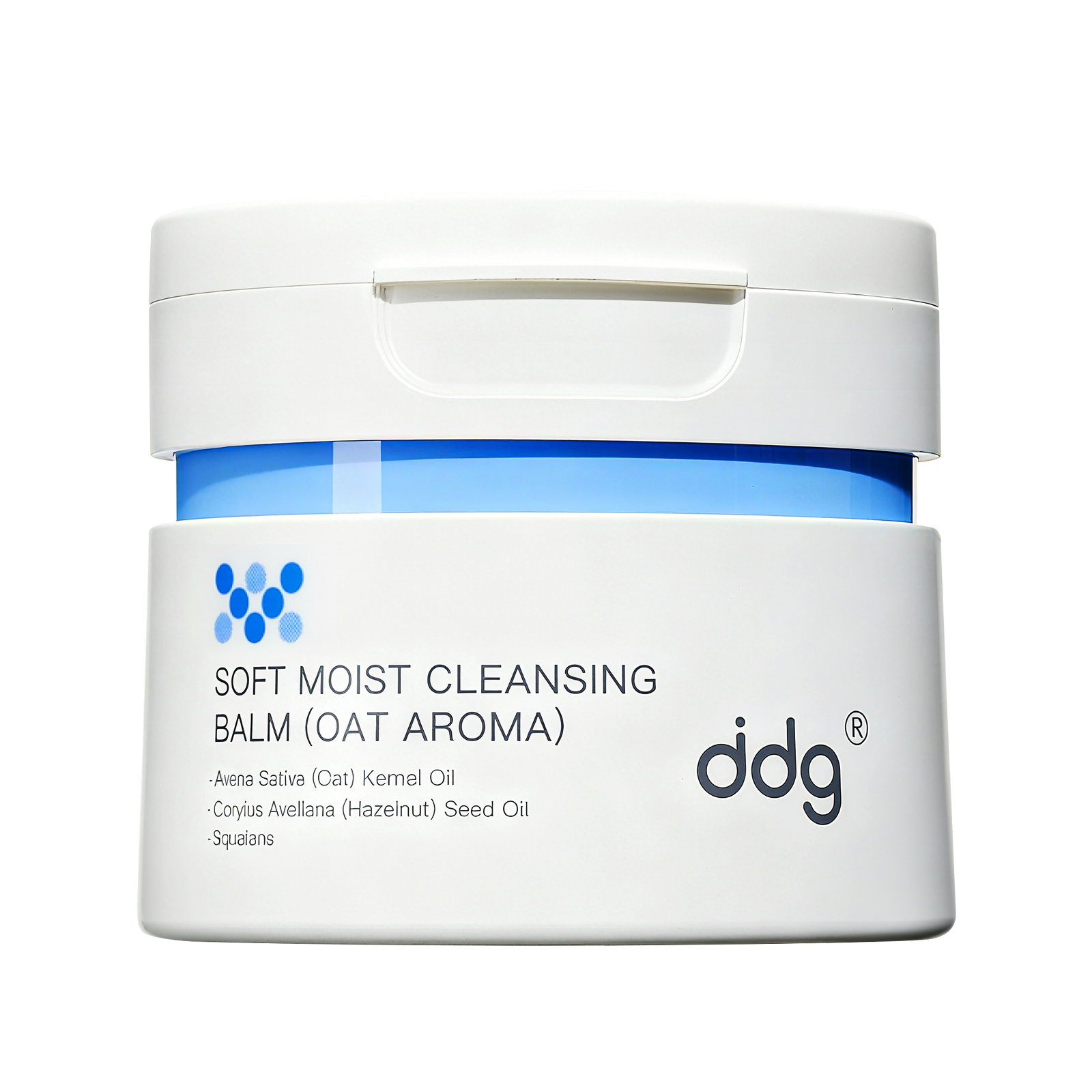
ddg Makeup Remover Cleansing Balm
- Oat Kernel Oil nourishes and protects the skin barrier — critical for rosacea
- 15-second gentle melt — no scrubbing, no washcloth, no irritation
- Non-stripping, fragrance-free formula suitable for the most sensitive skin
- Magnetic spatula keeps the balm hygienic and contamination-free
The right cleanser is arguably the most important product choice for rosacea. Harsh foaming cleansers strip the barrier, trigger inflammation, and make azelaic acid sting. A gentle, oil-based cleansing balm dissolves makeup, sunscreen, and impurities without disrupting your skin's protective layer — exactly what rosacea needs before treatment.
5 Mistakes That Make Rosacea Worse (Even on Azelaic Acid)
Azelaic acid can only do so much if the rest of your routine or lifestyle is actively triggering rosacea. Avoid these common pitfalls:
- Using harsh exfoliants alongside azelaic acid. Azelaic acid normalizes keratinization — it doesn't need "help" from scrubs, AHAs, or BHAs. Physical exfoliation and chemical peels are major rosacea triggers.
- Skipping sunscreen. UV radiation is the #1 rosacea trigger and directly activates the TLR2 inflammatory pathway that azelaic acid is trying to suppress. Without SPF, you're fighting a losing battle.
- Applying to damp skin. This seems counterintuitive, but water dramatically increases penetration — and with rosacea, faster penetration often means more irritation, not better results.
- Quitting too early. The most common reason azelaic acid "doesn't work" is stopping after 2–3 weeks. Anti-inflammatory effects build cumulatively. The 4-week mark is when most patients begin to see meaningful improvement.
- Using too many actives at once. Layering azelaic acid with retinoids, vitamin C, and chemical exfoliants all in one routine is a recipe for a rosacea flare. Pick one active and build tolerance before considering a second.
Frequently Asked Questions
Is azelaic acid FDA-approved for rosacea?
Yes. A 15% azelaic acid gel (brand name Finacea) received FDA approval specifically for the treatment of mild to moderate rosacea in 2002. It remains one of the few prescription medications with this specific indication, supported by multiple double-blind, placebo-controlled clinical trials.
What percentage of azelaic acid works best for rosacea?
Clinical studies have primarily evaluated 15% azelaic acid gel for rosacea, making it the most evidence-backed concentration. OTC 10% formulations can also provide benefits for mild cases. Always start with the lowest effective concentration and consult a dermatologist before switching to prescription strength.
Can I use azelaic acid during a rosacea flare-up?
Yes, azelaic acid is anti-inflammatory and can help calm an active flare-up. However, if your skin barrier is severely compromised, start with once-daily application and buffer it over a gentle moisturizer. If stinging persists beyond 15 minutes, pause and let the skin calm down before restarting.
How long does azelaic acid take to work for rosacea redness?
In clinical studies, most patients saw noticeable reduction in redness within 4–8 weeks of consistent use. Inflammatory bumps (papules and pustules) typically improve within 4 weeks, while background redness and telangiectasia (visible blood vessels) may take 12 weeks or longer. Consistency is critical — missing doses can delay results significantly.
Does azelaic acid cause purging with rosacea?
No, azelaic acid does not typically cause purging because it is not an exfoliant. Unlike retinoids or AHAs/BHAs, azelaic acid works through anti-inflammatory, anti-microbial, and anti-keratinizing pathways without accelerating cell turnover in a way that brings underlying clogs to the surface. If you experience worsening after starting, it may be irritation rather than purging — reduce frequency and buffer with moisturizer.
Can I use azelaic acid with metronidazole for rosacea?
Yes, azelaic acid and metronidazole have complementary mechanisms for rosacea and can be used together under dermatologist guidance. Many dermatologists prescribe both, often alternating them (azelaic acid in the morning, metronidazole at night) or applying them at different steps. This combination is well-tolerated and can enhance overall results.
What should I avoid when using azelaic acid for rosacea?
Avoid harsh physical scrubs, alcohol-based toners, strong chemical exfoliants (high-concentration AHAs/BHAs), extremely hot water, and aggressive rubbing. Also avoid combining azelaic acid with strong retinoids during the initial adjustment period. Sun protection is non-negotiable — rosacea-prone skin is highly UV-sensitive, and azelaic acid can increase sun sensitivity slightly.
Is azelaic acid safe for long-term rosacea management?
Yes. Azelaic acid is safe for long-term, indefinite use. Clinical studies have followed patients for up to 12 months with continued efficacy and no significant safety concerns. Unlike corticosteroids, azelaic acid does not thin the skin or cause rebound redness. It is also safe during pregnancy (Category B), making it one of the most versatile long-term rosacea treatments available.
Azelaic acid isn't a miracle cure — no single product is. But it's one of the most thoroughly studied, dermatologist-recommended, and versatile treatments available for rosacea. It addresses the root inflammatory pathways, works on multiple rosacea symptoms simultaneously, and is safe for the long haul. If you've been cycling through products that either do nothing or make things worse, azelaic acid — used correctly, with patience — is the evidence-backed starting point you've been looking for.
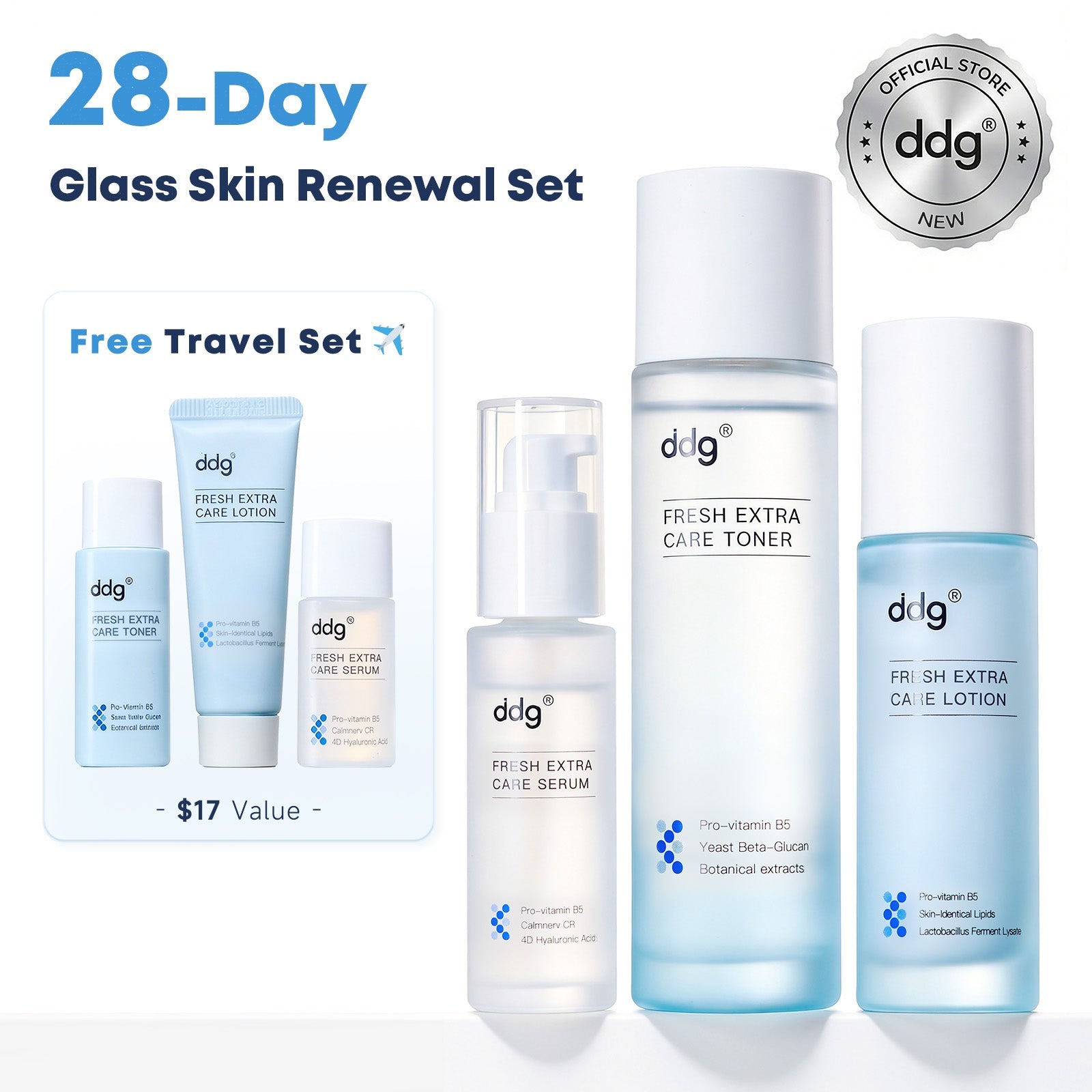
Our Approach at ddg: We believe that effective skincare doesn't have to be aggressive. Every product we formulate — from our gentle Cleansing Balm to our barrier-supportive 28-Day Glass Skin Renewal Set — is designed to work with sensitive, reactive skin, not against it. Because calm skin is healthy skin.