
Acne can feel like a never-ending cycle. You try one product, see minimal improvement, switch to another, and the cycle repeats. If you're looking for an ingredient that actually delivers without turning your face into a dry, irritated mess, azelaic acid deserves your attention.
Unlike harsh acne treatments that strip your skin barrier, azelaic acid is a multitasker: it fights breakouts, fades dark marks, and calms redness—all while being gentle enough for sensitive skin. But here's what most guides miss: how you use it determines whether you see results in 12 weeks or give up in 2.
This is the complete, no-fluff guide to using azelaic acid for acne. We'll cover the science, the right concentration for your skin, a step-by-step routine, common mistakes, realistic timelines, and exactly how to pair it with other products.
Table of Contents
- What Is Azelaic Acid and Why Does It Work for Acne?
- 10% vs 20%: Which Concentration Should You Choose?
- How to Use Azelaic Acid: A 5-Step Routine
- 4 Common Mistakes That Sabotage Your Results
- What to Expect: A Realistic Week-by-Week Timeline
- Azelaic Acid for Your Skin Type
- How to Pair Azelaic Acid With Other Ingredients
- Frequently Asked Questions
- Conclusion
What Is Azelaic Acid and Why Does It Work for Acne?
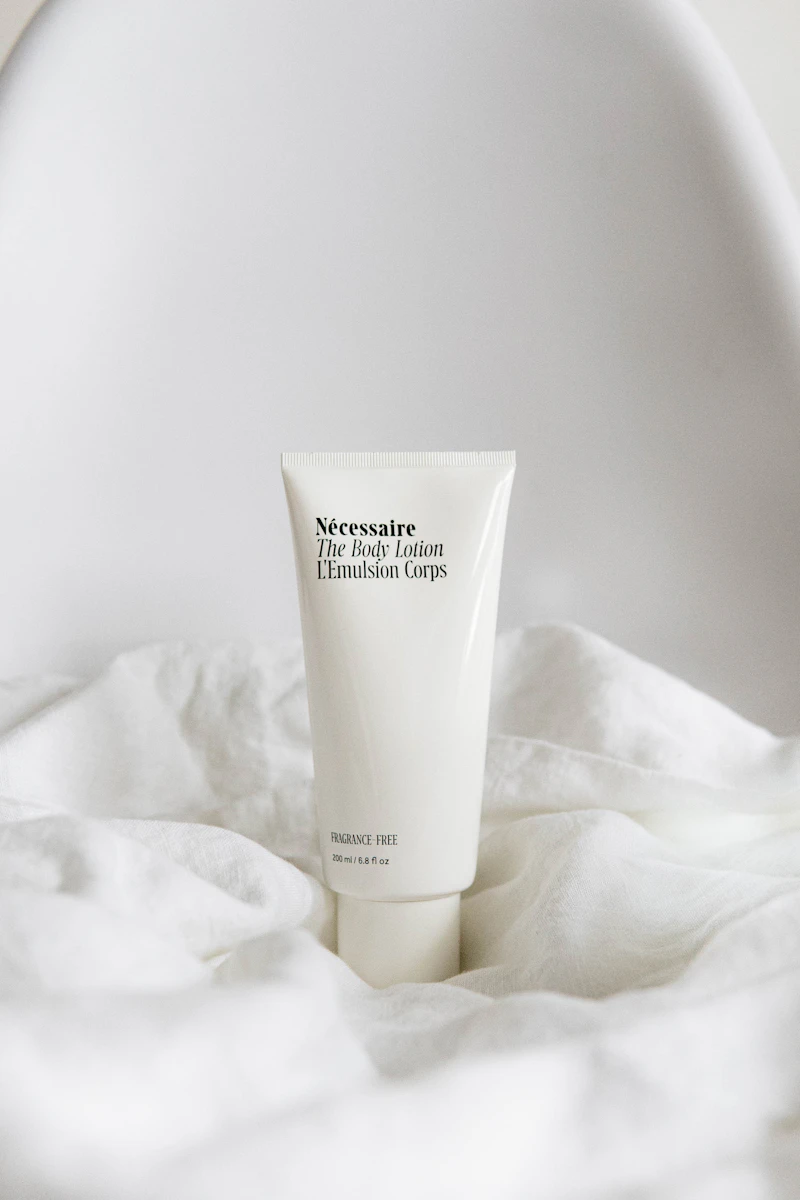
Azelaic acid is a dicarboxylic acid naturally found in grains like wheat, barley, and rye. In skincare, it's produced synthetically to ensure purity and stability. It sits in a unique sweet spot: effective enough to treat acne and hyperpigmentation, yet gentle enough that most people can use it daily without irritation.
The Three Mechanisms Behind Azelaic Acid
1. Antibacterial Action
Azelaic acid reduces Cutibacterium acnes (formerly Propionibacterium acnes), the bacteria that drives inflammatory acne. By lowering bacterial load on the skin, it prevents new breakouts from forming and helps existing ones heal faster.
2. Normalizes Keratinization
One of the root causes of acne is abnormal shedding of skin cells inside hair follicles. These dead cells mix with sebum and clog pores, creating the perfect environment for breakouts. Azelaic acid regulates this process, keeping pores clear without the aggressive peeling associated with strong retinoids or high-percentage acids.
3. Anti-Inflammatory & Anti-Pigmentation
Azelaic acid inhibits tyrosinase, the enzyme responsible for melanin production. This is why it's particularly effective for post-inflammatory hyperpigmentation (PIH)—the dark marks that linger long after a pimple has healed. It also reduces overall skin inflammation, which means less redness around active breakouts.
"Azelaic acid is one of the most underrated ingredients in dermatology. It offers antibacterial, anti-inflammatory, and pigment-reducing benefits with a side effect profile that's remarkably mild."

10% vs 20%: Which Concentration Should You Choose?
Not all azelaic acid formulas are created equal. The concentration you choose should match your skin's sensitivity, your acne severity, and your experience with active ingredients.
| Feature | 10% Azelaic Acid | 20% Azelaic Acid |
|---|---|---|
| Availability | Over-the-counter (OTC) | Prescription in most countries |
| Best For | Beginners, sensitive skin, mild acne | Moderate to severe acne, stubborn PIH, rosacea |
| Onset of Results | 8–12 weeks | 6–10 weeks |
| Irritation Risk | Low | Moderate (stinging, dryness possible) |
| Can You Use Daily? | Yes, most people tolerate daily use | Start 3x/week, build to daily |
| Price Range | $15–$35 | $30–$80 (prescription) |
Our recommendation: Start with 10% for at least 8 weeks. If you're seeing progress but want faster results, consult a dermatologist about upgrading to 20%. Jumping straight to prescription strength without building tolerance often leads to irritation, which paradoxically can worsen acne.
How to Use Azelaic Acid: A 5-Step Routine
The order and technique matter. Here's exactly how to incorporate azelaic acid into your routine for maximum results with minimal irritation.
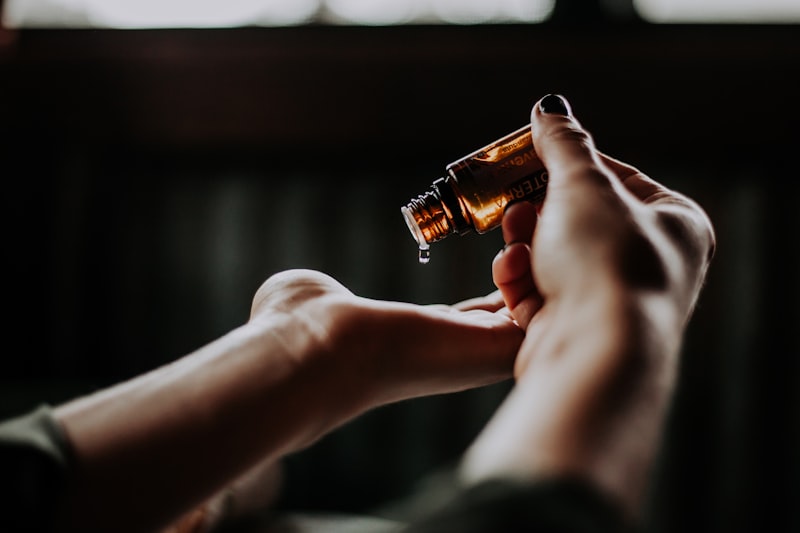
Step 1: Cleanse with a Gentle, Non-Stripping Cleanser
Start with a pH-balanced cleanser free from sulfates, physical scrubs, or additional actives (like salicylic acid or benzoyl peroxide). Your goal is a clean canvas without compromising your moisture barrier.
Pro Tip: If you wear sunscreen or makeup, consider a double cleanse: oil-based cleanser first, then your gentle water-based cleanser. Azelaic acid penetrates better on thoroughly clean skin.
Step 2: Apply a Hydrating Toner or Essence (Optional)
If you use a hydrating toner, apply it now and wait 60 seconds for full absorption. This creates a moisture buffer that helps azelaic acid spread evenly and reduces the likelihood of stinging on dry patches.
Pro Tip: Look for toners with hyaluronic acid, glycerin, or panthenol. Avoid toners with alcohol, witch hazel, or additional acids during your first month with azelaic acid.
Step 3: Apply Azelaic Acid Correctly
Scoop or squeeze a pea-sized amount for your entire face. Dot it on your forehead, both cheeks, nose, and chin. Gently spread into an even, thin layer using your fingertips.
Do not spot-treat only. While it might seem logical to apply azelaic acid just on active pimples, it works preventatively across the entire face. Spot-treating misses the microcomedones forming beneath the surface that will become next week's breakouts.
Pro Tip: If you experience stinging in your first week, apply azelaic acid to slightly damp skin (after toner but before it fully dries) or mix it with your moisturizer at a 1:1 ratio.
Step 4: Lock In Moisture
Follow with a non-comedogenic moisturizer within 60 seconds. This seals hydration and minimizes any dryness. Prioritize moisturizers with ceramides, squalane, or niacinamide.
Pro Tip: If you have oily skin, don't skip moisturizer. Dehydrated oily skin produces more sebum to compensate, which can worsen acne. A lightweight gel moisturizer is sufficient.
Step 5: Apply Sunscreen (Morning Routine Only)
While azelaic acid doesn't increase photosensitivity like retinoids do, UV exposure worsens post-acne marks and inflammation. Use a broad-spectrum SPF 30 or higher every morning. Reapply every 2 hours if you're outdoors.
4 Common Mistakes That Sabotage Your Results
Even with the right product, these habits can derail your progress:
Mistake 1: Starting Too Aggressively
Many people apply azelaic acid twice daily from day one, then wonder why their skin is red and reactive. Start every other night for the first 2 weeks. If your skin tolerates it well, increase to nightly use in week 3. Only move to twice daily after week 6 if needed.
Mistake 2: Skipping Moisturizer
Because azelaic acid is relatively gentle, some users assume they don't need extra hydration. This is incorrect. Any active ingredient can disrupt your moisture barrier over time. A compromised barrier leads to irritation, which triggers more inflammation and breakouts.
Mistake 3: Quitting Before Week 6
Azelaic acid is effective but not instant. Most users need 6 to 12 weeks to see meaningful improvement. If you abandon it after 2 weeks because your skin "looks the same," you're quitting before the ingredient has had time to normalize cell turnover and reduce bacterial load.
Mistake 4: Layering Too Many Actives Too Soon
In your first month, avoid combining azelaic acid with strong retinoids, high-strength vitamin C (L-Ascorbic Acid), or multiple other acids. Once your skin adjusts to azelaic acid (around week 4–6), you can strategically reintroduce other actives on alternate days.
What to Expect: A Realistic Week-by-Week Timeline
Patience is non-negotiable. Here's what a typical experience looks like:

| Timeline | What You Might Notice |
|---|---|
| Weeks 1–2 | Mild tingling or slight redness for 10–20 minutes after application. No visible acne reduction yet. This is normal adjustment. |
| Weeks 3–4 | Existing breakouts may heal faster. New pimples still appear but may be smaller or less inflamed. Subtle brightening on dark marks for some users. |
| Weeks 5–8 | Fewer new breakouts. Smoother texture. Post-acne marks beginning to fade. Skin looks calmer and more even overall. |
| Weeks 9–12 | Significant reduction in active acne. Dark marks noticeably lighter. Clearer skin than you've had in months. This is where consistency pays off. |
| Week 12+ | Maintenance phase. Continue using azelaic acid to prevent new breakouts and maintain even skin tone. |
When to see a dermatologist: If you reach week 12 with minimal improvement, you may need prescription-strength 20% azelaic acid, a combination therapy (e.g., azelaic acid + clindamycin), or an assessment for hormonal acne.
Azelaic Acid for Your Skin Type
Azelaic acid is broadly compatible, but your skin type influences how you should use it:
For Sensitive Skin
Azelaic acid is one of the most tolerable actives for reactive skin. Start with 10%, apply every third night for the first week, then gradually increase frequency. Pair with a fragrance-free moisturizer containing ceramides or centella asiatica.
Avoid: Fragranced products, essential oils, and alcohol-based toners during your first month.
For Oily/Acne-Prone Skin
This is where azelaic acid shines. Use it nightly after cleansing. You can tolerate more frequent application than dry skin types. Consider pairing with niacinamide in the morning to regulate sebum production.
Tip: Don't over-cleanse. Washing your face more than twice daily strips your barrier and triggers compensatory oil production.
For Dry Skin
Apply azelaic acid to damp skin or mix it with your moisturizer to reduce dryness. Use a richer cream moisturizer afterward. If you experience flaking, reduce frequency to every other night and focus on barrier repair.
For Combination Skin
Apply a thinner layer on drier areas (cheeks) and a standard layer on oilier zones (T-zone). You may need a lighter moisturizer on your T-zone and a richer one on your cheeks, or use one balanced moisturizer all over.
How to Pair Azelaic Acid With Other Ingredients
One of azelaic acid's strengths is its compatibility. Here's what works, what doesn't, and what requires caution:
| Ingredient | Compatibility | How to Use Together |
|---|---|---|
| Niacinamide | ✅ Excellent | Use niacinamide in AM, azelaic acid in PM. Or layer together if tolerated. |
| Hyaluronic Acid | ✅ Excellent | Apply HA before azelaic acid to hydrate and reduce stinging. |
| Vitamin C | ⚠️ Caution | Use vitamin C in AM, azelaic acid in PM. Avoid high-strength L-Ascorbic Acid initially. |
| Retinoids | ⚠️ Caution | Use on alternate nights. Never layer together in the same routine. |
| Salicylic Acid | ⚠️ Caution | Can use SA in AM cleanser, azelaic acid in PM. Avoid layering simultaneously. |
| Benzoyl Peroxide | ❌ Avoid | Both target bacteria; combining causes excessive dryness and irritation. |
Frequently Asked Questions
Can azelaic acid cause purging?
True purging is uncommon with azelaic acid because it doesn't dramatically accelerate cell turnover like retinoids or strong chemical peels. If you experience a sudden breakout after starting, it's more likely an irritation response or an incompatible product in your routine. Give it 2 weeks; if breakouts worsen, reassess your full routine.
Should I use azelaic acid in the morning or at night?
It works at either time. Most beginners prefer nighttime application because skin repair processes peak during sleep. If you use it in the morning, always follow with sunscreen. If you want to use it twice daily, ensure your skin tolerates nightly use first.
How long should I leave azelaic acid on my face?
There's no need to rinse it off. Apply it as a leave-on treatment and follow with moisturizer. If stinging is significant, buffer it by applying over damp skin or mixing with moisturizer for the first 2 weeks.
Can I use azelaic acid with niacinamide?
Yes, this is one of the best pairings. Niacinamide regulates oil and strengthens the barrier, while azelaic acid targets bacteria and hyperpigmentation. Use niacinamide in the morning and azelaic acid at night, or layer them together if your skin tolerates it.
Is azelaic acid safe during pregnancy?
Azelaic acid is generally considered safe during pregnancy and breastfeeding, unlike retinoids which are contraindicated. However, always consult your healthcare provider before introducing any new active ingredient during pregnancy.
Can azelaic acid help with acne scars?
Azelaic acid is effective for post-inflammatory hyperpigmentation (dark marks) and post-inflammatory erythema (red marks). However, it has limited effect on true acne scars (textural changes like boxcar or ice-pick scars). For textural scars, consider professional treatments like microneedling or laser.
Why does azelaic acid sting when I apply it?
Mild tingling or stinging for 5–15 minutes is normal, especially in the first 2 weeks. This usually subsides as your skin adjusts. If stinging persists beyond 20 minutes or is accompanied by significant redness, you're likely using too much or applying it to compromised skin. Reduce frequency and ensure you're moisturizing adequately.
How does azelaic acid compare to salicylic acid for acne?
Salicylic acid is a beta-hydroxy acid (BHA) that exfoliates inside pores, making it excellent for blackheads and whiteheads. Azelaic acid targets bacteria and inflammation while fading marks. They're complementary: salicylic acid cleans pores, azelaic acid prevents and heals inflammatory breakouts. Many people use salicylic acid in the morning (as a cleanser) and azelaic acid at night.
Conclusion: A Smarter Approach to Clear Skin
Azelaic acid offers something rare in acne treatment: clinically proven results without the typical trade-offs of irritation, peeling, or barrier damage. It's suitable for beginners, effective for sensitive skin, and powerful enough to tackle both active breakouts and the marks they leave behind.
The formula for success is straightforward: choose the right concentration (start at 10%), follow a consistent routine, avoid overloading your skin with other actives in the first month, and give it a full 12 weeks before judging results. Your skin's cell turnover cycle takes time, and azelaic acid works with that process rather than forcing it.
At ddg, we formulate with the belief that effective skincare shouldn't require a tolerance test. Our approach is rooted in science, designed for real skin, and gentle enough for daily use—because clarity starts with care, not compromise.
Related Articles: