How to Build a Minimalist Skincare Routine: 3 Steps to Better Skin
You've tried the 10-step routine. You've watched the shelfie videos. And yet your skin feels no better — maybe worse — than when you just washed your face and called it a day. Here's the truth most skincare marketing won't tell you: your skin only needs three things to thrive. Everything else is negotiable. This guide will show you exactly how to build a minimalist skincare routine that works — using science-backed principles, not product-count anxiety.
Table of Contents
- What Is Minimalist Skincare — and Why Does It Work?
- The Core 3: Cleanse, Moisturize, Protect
- AM vs PM: Your Complete Minimalist Routine
- How to Choose the Right Products (Without Overthinking)
- Minimalist Routines for Every Skin Type
- The "Optional Add-On" Framework
- Common Mistakes When Simplifying
- Frequently Asked Questions
What Is Minimalist Skincare — and Why Does It Work?
Minimalist skincare (often called "skinimalism") is the practice of using the fewest possible products to achieve healthy, balanced skin. It is not about being lazy or cheap — it is about being precise. Every product in your routine must earn its place by performing a function that no other product already covers.
The philosophy rests on a simple dermatological principle: your skin is a self-regulating organ. It produces its own moisture (sebum), sheds its own dead cells (desquamation), and repairs itself nightly. When you overload it with a dozen products, you risk disrupting these natural processes. Excess exfoliation damages the barrier. Too many actives cause inflammation. Layering incompatible ingredients neutralizes their benefits.
The Core Principle: Every product you add beyond the foundational three should solve one specific, identified problem. If you cannot name the exact problem a product solves for your skin, you do not need it.
Studies on skincare compliance consistently show that the simpler the routine, the more likely people are to stick with it. A 2018 survey published in the Journal of Clinical and Aesthetic Dermatology found that more than 60% of patients prescribed multi-step regimens stopped using at least one product within three months — not because the products were ineffective, but because the routine was unsustainable. A minimalist routine you actually follow daily will outperform a 10-step routine you abandon after two weeks.
The Core 3: Cleanse, Moisturize, Protect
Every skincare routine — whether 3 steps or 12 — serves three non-negotiable functions. Everything else is optimization. Master these three and you have a complete routine.
Step 1: Cleanse (Remove the Day)
Cleansing does exactly one job: remove sunscreen, makeup, excess oil, and environmental debris from the skin's surface. But how you cleanse matters more than most people realize.
The golden rule of cleansing: your face should never feel tight, squeaky, or stripped after washing. That sensation means you have removed not just dirt but also the lipids and natural moisturizing factors that hold your barrier together.
For a minimalist routine, look for a single cleanser that can handle both makeup removal and daily cleansing, eliminating the need for a separate makeup remover or micellar water. Oil-based balm cleansers are ideal for this: they dissolve sunscreen and makeup efficiently while leaving the barrier intact. If you do not wear makeup or waterproof SPF, a gentle gel or cream cleanser suffices.
The One-Cleanser Rule: If your cleanser cannot remove your sunscreen on its own, your sunscreen is still on your face. Pick a cleanser that can do the full job in one pass — this eliminates the need for double cleansing entirely.
Step 2: Moisturize (Seal and Support)
Moisturizer is not just about adding water to your skin — it is about sealing hydration in and providing the lipids your barrier needs to function. Even oily skin needs moisturizer; skipping it signals your sebaceous glands to overproduce oil to compensate for perceived dryness.
In a minimalist routine, your moisturizer should be a multitasker. Look for one that contains:
- Humectants (glycerin, hyaluronic acid, panthenol) — draw water into the skin
- Emollients (squalane, ceramides, fatty acids) — fill in gaps between skin cells
- Occlusives (shea butter, dimethicone) — seal everything in
The ratio of these three depends on your skin type (more on this in the skin type section below), but a well-formulated moisturizer should contain all three categories.
Step 3: Protect (SPF Is Not Optional)
Sunscreen is the single most effective skincare product ever invented. It prevents photoaging (wrinkles, sagging, spots), reduces skin cancer risk, and protects your barrier from UV-induced damage that makes every other skin concern worse. If you use only one product in the morning, make it SPF.
For a minimalist routine, choose a broad-spectrum SPF 30+ that you enjoy applying. Texture is everything — a sunscreen you dread putting on is a sunscreen you will skip. Modern formulations are lightweight, non-greasy, and double as a moisturizing base, which means you may not even need a separate AM moisturizer on hot or humid days.
Minimalist Hack: A moisturizer with SPF is acceptable in a minimalist routine. While separate products offer more precise protection, a combined moisturizer-SPF reduces your product count from three to two in the morning. The best sunscreen is the one you actually wear every day.
AM vs PM: Your Complete Minimalist Routine
Here is the full minimalist protocol, mapped across morning and evening. This is your baseline — everything that follows is optional optimization.
| Step | AM Routine | PM Routine |
|---|---|---|
| 1. Cleanse | Rinse with water or gentle cleanser | Oil-based balm or gentle cleanser (remove SPF, makeup, debris) |
| 2. Moisturize | Lightweight moisturizer on damp skin | Same or slightly richer moisturizer on damp skin |
| 3. Protect | SPF 30+ (1/4 teaspoon for face and neck) | — |
| Total products | 2–3 | 2 |
| Time required | 2–3 minutes | 2–3 minutes |
That's it. Three products total (cleanser, moisturizer, SPF), two minutes each session, and your skin has everything it structurally needs. If your skin is currently inflamed, reactive, or breaking out, this baseline routine is where you should park for 2–4 weeks before introducing any actives.
✅ Your Minimalist Routine Readiness Checklist
- Do you have a cleanser that removes SPF/makeup without stripping?
- Do you have a moisturizer with humectants + emollients + occlusives?
- Do you have an SPF 30+ you enjoy wearing every day?
- Can you complete your entire routine in under 5 minutes?
- Does your skin feel comfortable (not tight, not greasy) 30 minutes after your routine?
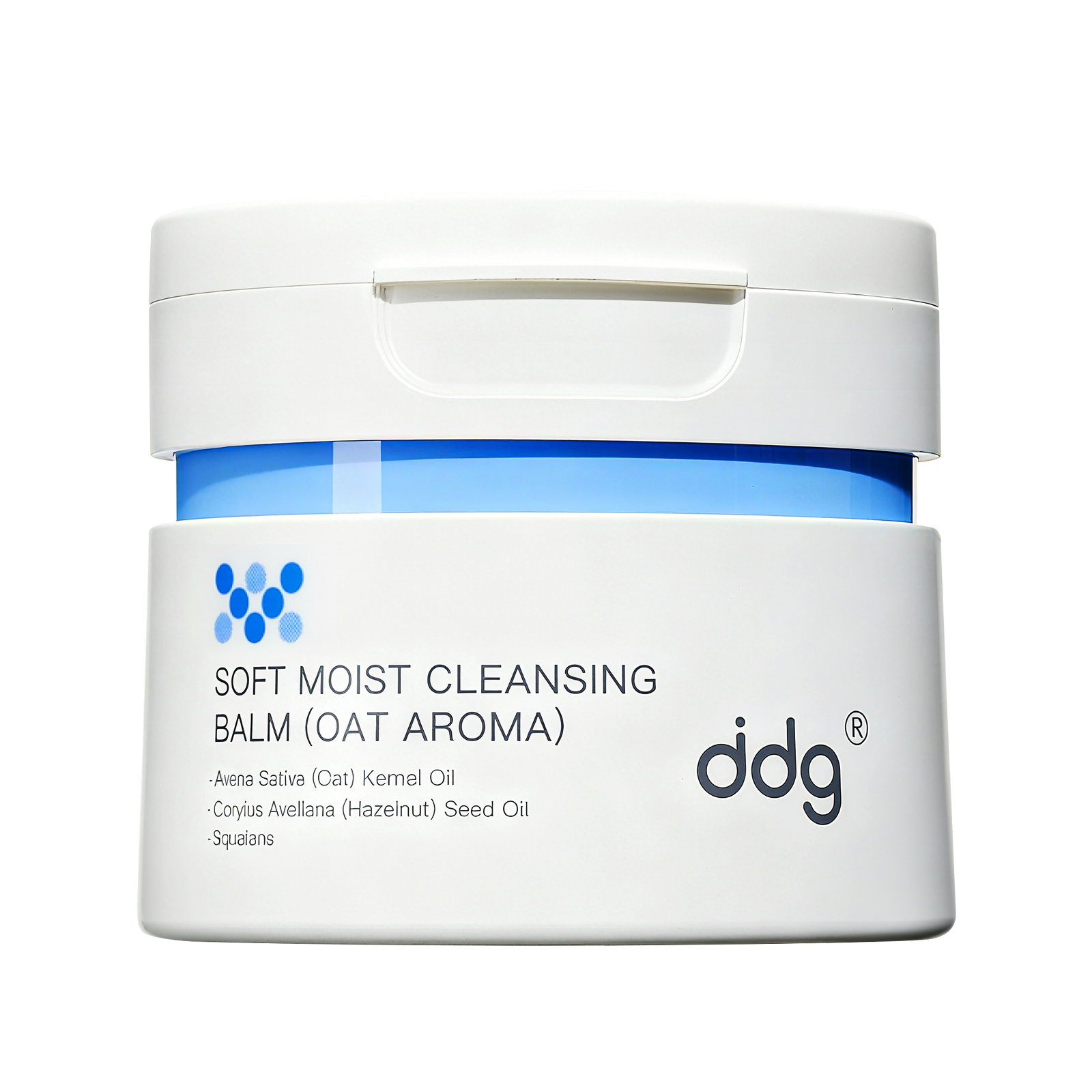
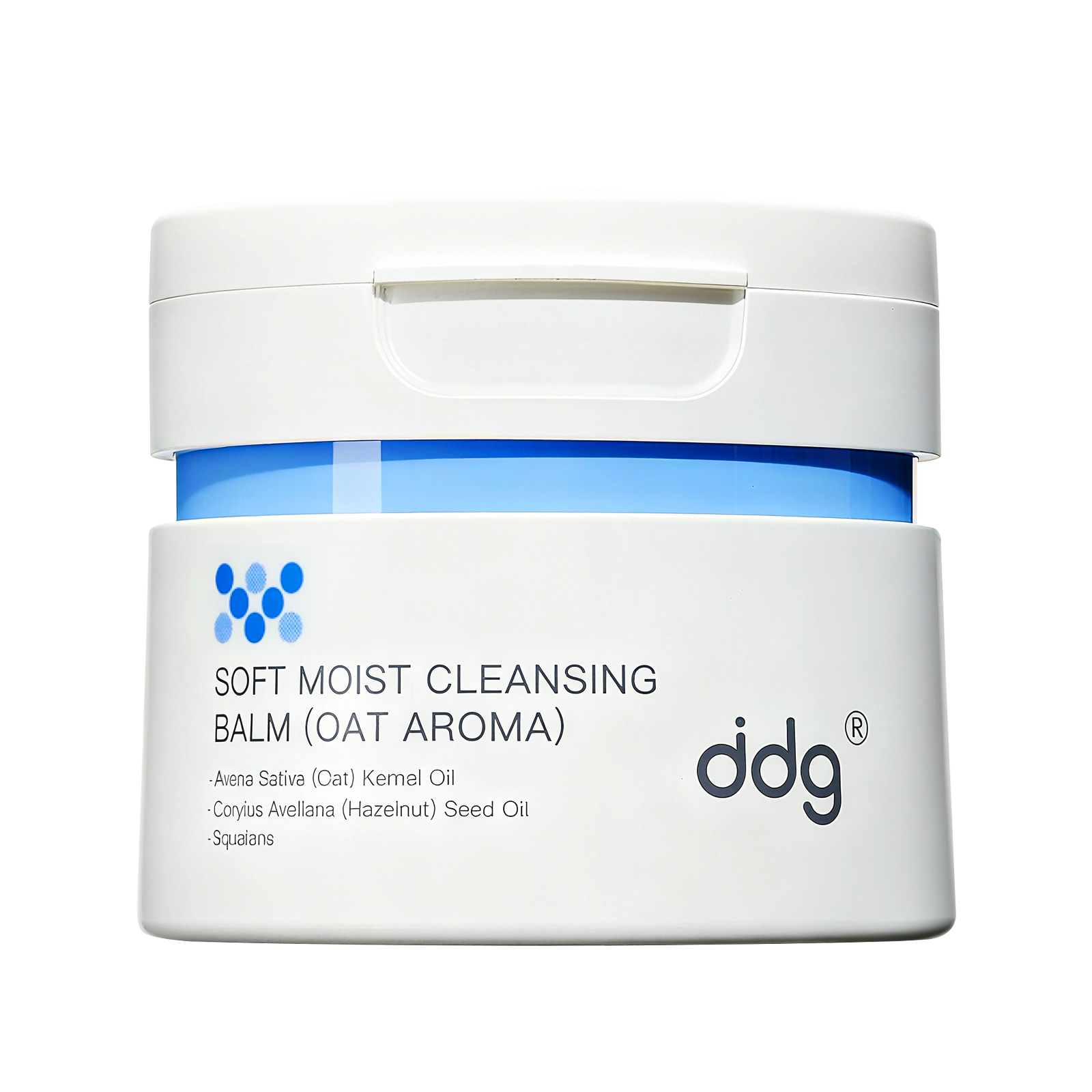
ddg Makeup Remover Cleansing Balm
The one-cleanser solution for a minimalist routine: removes sunscreen, makeup, and impurities in 15 seconds without stripping your barrier. Oat Kernel Oil nourishes while it cleanses.
- Replaces cleanser + makeup remover + micellar water — one step, done
- Oat Kernel Oil maintains barrier integrity during cleansing
- Magnetic spatula for mess-free, hygienic dispensing
- Gentle enough for sensitive, acne-prone, and redness-prone skin
How to Choose the Right Products (Without Overthinking)
The biggest barrier to starting a minimalist routine is not laziness — it's decision paralysis. Walk into any beauty retailer and you face hundreds of cleansers, each promising something slightly different. Here's how to cut through the noise.
The "Function-First" Selection Framework
Ignore marketing claims. Ignore packaging. Ignore influencer recommendations until you have applied this four-question filter to every product you consider:
- What is this product's primary function? If the answer overlaps with something you already own, skip it.
- What skin concern does it address? If you cannot name a specific concern it targets, it is entertainment, not treatment.
- What is the evidence for its key ingredient? Look for ingredients with peer-reviewed data (niacinamide, retinoids, vitamin C, azelaic acid, ceramides) rather than exotic extracts with no clinical backing.
- Will I use this every day? If the texture, smell, or packaging makes you reluctant to reach for it, it will gather dust and waste your money.
Ingredient Density Over Product Count
One well-formulated product can do the work of three mediocre ones. This is the single most important concept in minimalist skincare. Instead of buying a separate hyaluronic acid serum, niacinamide serum, and peptide serum, look for one moisturizer that contains all three. Instead of layering a toner, an essence, and a serum, find a treatment lotion that combines them.
This is why products like the ddg 28-Day Glass Skin Renewal Set are designed for minimalist philosophy: instead of buying toner, serum, and moisturizer separately, the set provides all three in a coordinated system where each product complements the next without redundancy.

ddg 28-Day Glass Skin Renewal Set
Three coordinated products that replace a shelf full of single-purpose items. Ceramide + Peptide + Hyaluronic Acid in one system — no redundancy, no ingredient conflicts, just results.
- Replaces separate toner, serum, and moisturizer steps
- 15 minutes to visible redness reduction
- 28-day barrier repair protocol with Ceramide + Peptide + HA
- Lightweight water-based textures — ideal for layering under SPF
Minimalist Routines for Every Skin Type
The core three steps are universal, but product texture and frequency should be tuned to your skin type. Here is how to adapt the minimalist framework for five common skin profiles.
| Skin Type | Cleanser | Moisturizer | SPF | Special Note |
|---|---|---|---|---|
| Oily | Gel or foam with niacinamide | Oil-free gel or gel-cream | Matte-finish or powder SPF | Do not skip moisturizer — dehydration triggers more oil production |
| Dry | Cream or balm cleanser | Rich cream with ceramides + shea butter | Hydrating SPF with glycerin | Apply moisturizer to damp skin for maximum water retention |
| Combination | Gentle gel cleanser | Lightweight lotion, layer richer cream on dry zones only | Lightweight fluid SPF | Consider "zone treating" — different moisturizer amounts on T-zone vs cheeks |
| Sensitive | Fragrance-free balm or milk cleanser | Barrier-repair cream with ceramides + panthenol | Mineral SPF (zinc oxide or titanium dioxide) | Avoid fragrance, essential oils, and alcohol in all three products |
| Acne-Prone | Non-comedogenic gel with salicylic acid (if tolerated) | Oil-free, non-comedogenic gel-cream | Oil-free, non-comedogenic SPF | If cleanser contains SA, use only at night; rinse with water in AM |

The "Optional Add-On" Framework
Once your baseline three-step routine is stable (give it at least 2–4 weeks), you may want to address a specific concern. But not all concerns need a new product. Use this decision tree before adding anything:
| Your Concern | First, Check Your Baseline | Then, Add One of These | Do NOT Add |
|---|---|---|---|
| Acne / Breakouts | Is your moisturizer truly non-comedogenic? Are you cleansing thoroughly enough to remove SPF? | PM: Salicylic acid 2% serum OR Azelaic acid 10%, applied after cleansing and before moisturizer | Multiple acne treatments layered together; physical scrubs |
| Dark Spots / PIH | Are you wearing SPF every single day? UV exposure darkens spots regardless of treatment. | AM: Vitamin C serum OR Azelaic acid, applied after cleansing and before moisturizer | Multiple brightening products; skipping SPF while using brighteners |
| Fine Lines / Anti-Aging | Is your SPF adequate? UV causes 80% of visible aging. Are you moisturizing enough? | PM: Retinol (start 0.25%, 2x/week) OR Peptide serum, applied after cleansing and before moisturizer | Retinol + exfoliating acids on the same night; skipping moisturizer |
| Redness / Sensitivity | Are any of your core products fragranced? Do they contain denatured alcohol? | AM or PM: Azelaic acid 10% OR Centella asiatica (cica) serum | Exfoliating acids; products with fragrance or essential oils |
The One-Active Rule: In a minimalist routine, you add one active at a time. Not two. Not a "set." One. Use it for 4–6 weeks before evaluating whether it made a difference. If it did not, swap it — do not stack another on top.

Common Mistakes When Simplifying
Going minimalist is straightforward in theory but easy to get wrong in practice. These are the five most common pitfalls — and how to avoid them.
1. Using a Harsh Cleanser "Because It's the Only Product I Use"
The logic seems sound: if you're only using three products, each one should be "strong" enough to do the job. But a cleanser's job is removal, not treatment. A stripping cleanser damages your barrier daily, and no moisturizer can fully compensate for that. Your cleanser should be the gentlest product in your routine.
2. Skipping Moisturizer Because "My Skin Is Oily"
Oily skin needs moisture as much as dry skin does — it just needs it in a different vehicle. When oily skin is dehydrated, sebaceous glands overcompensate with more oil. A lightweight, oil-free gel moisturizer signals your skin that hydration is available, reducing the need for excess sebum production.
3. Adding Too Many Actives to "Make Up" for Fewer Products
Some people interpret "minimalist" as "fewer products, but each one should do everything." This leads to products that combine retinoids, AHAs, BHAs, and vitamin C in one bottle — a recipe for irritation. A product that tries to do everything usually does nothing well. Keep actives separate and targeted.
4. Changing All Products at Once
When you simplify, you will likely replace some products. Do it one at a time, with at least one week between each change. If your skin reacts, you will know exactly which product caused it. Switching everything simultaneously makes troubleshooting impossible.
5. Expecting Instant Results
If your previous routine was overcomplicated and irritating, switching to a minimalist baseline will likely improve your skin within days — but that improvement comes from stopping the irritation, not from the new products performing miracles. Give your new routine 4–6 weeks before judging results.
Frequently Asked Questions
Q: What is the absolute minimum skincare routine?
The absolute minimum is three products: cleanser, moisturizer, and sunscreen (AM). At night, just cleanser and moisturizer. This trio addresses the three non-negotiable functions of skincare — removing impurities, maintaining hydration, and protecting against UV damage. Everything else is optional.
Q: Can a minimalist routine actually work for acne-prone skin?
Yes — and it often works better than complex routines. Overloading acne-prone skin with multiple actives can disrupt the barrier and trigger more breakouts. A minimalist approach with a gentle cleanser, a non-comedogenic moisturizer, and daily SPF gives your skin room to regulate itself. If needed, layer one targeted acne treatment as a fourth step.
Q: How many products should a minimalist skincare routine have?
A true minimalist routine uses 3–5 products total. The core three are cleanser, moisturizer, and sunscreen. Optional additions include one treatment serum for a specific concern (acne, dark spots, or anti-aging) and an evening balm cleanser if you wear heavy makeup. Beyond five, you are no longer practicing minimalism.
Q: Do I need a toner in a minimalist routine?
No, toner is optional in a minimalist routine. Modern cleansers are pH-balanced, so you do not need a toner to "rebalance" your skin after cleansing. If you enjoy using a toner, choose a hydrating one that replaces a separate serum step — effectively keeping your total product count the same without adding redundancy.
Q: How do I simplify my current 10-step routine?
Start by identifying the three essentials: cleanser, moisturizer, and SPF. Then, remove all products with overlapping functions — you do not need a hydrating toner, a hyaluronic acid serum, and a gel moisturizer; pick one. Reduce to one active treatment per routine (AM or PM, not both). Give your skin 2–4 weeks to adjust before evaluating whether you miss any of the removed products.
Q: Is a minimalist routine enough for anti-aging?
Yes, if your products are well-chosen. SPF is the single most effective anti-aging product available — it prevents the UV damage that causes an estimated 80% of visible skin aging. A moisturizer with peptides or antioxidants adds prevention. If you want one active, retinol or azelaic acid can be your optional fourth product. You do not need a separate eye cream, neck cream, and three serums.
Q: Can I use the same moisturizer for day and night?
Absolutely. In a minimalist routine, one well-formulated moisturizer can serve both AM and PM. Look for one with a lightweight texture that layers well under SPF during the day and provides enough overnight hydration. If your skin is dry, you might want a slightly richer formula for PM, but this is a luxury, not a necessity.
Less Is More — But "More" Starts With the Right "Less"
Minimalist skincare is not about deprivation. It is about intention. Every product that stays in your routine should have a clear job, a documented reason for being there, and a measurable impact on your skin. The products that get cut are not failures — they were never earning their place to begin with.
At ddg, this philosophy is built into how we formulate. We do not make a product unless it solves a specific, identifiable problem — and we design our systems to work together without redundancy. The Cleansing Balm removes makeup, SPF, and impurities in one step so you never need a separate makeup remover. The 28-Day Set combines toner, serum, and lotion in a coordinated triple-treatment protocol so you get ingredient density without product-count inflation.
Your skin does not need 12 steps. It needs three done well — and, sometimes, one more done strategically. Start there. Your skin will tell you if it needs anything else.
Browse the full ddg collection →
Related Articles
- How to Layer Skincare Ingredients Correctly: The Ultimate Guide — Once you have your minimalist products selected, ordering them properly is the next challenge. This guide covers every layering rule, from thinnest to thickest.
- The Best Skincare Routine for Sensitive Skin: A Complete AM/PM Guide — If your skin is reactive, a minimalist approach is not optional — it is essential. Learn how to build a routine that calms rather than provokes.
- Morning Skincare Routine for Oily Skin: A Dermatologist-Approved Guide — Oily skin benefits enormously from minimalist principles. This guide shows exactly how to streamline your AM routine for a matte, balanced finish.