How to Fade Dark Spots from Acne: A Complete PIH Treatment Plan
You finally cleared your breakout—but now you're left with stubborn dark marks that won't budge. You're not alone. Post-inflammatory hyperpigmentation (PIH) affects up to 65% of acne patients, and for many, it's more distressing than the acne itself. The good news? With the right ingredients and a consistent plan, those spots will fade. Here's exactly how.
📋 Table of Contents
PIH vs PIE: Know What You're Treating
Before you can treat dark spots, you need to know which type you have. The approach for brown marks is fundamentally different from the approach for red marks.
| PIH (Post-Inflammatory Hyperpigmentation) | PIE (Post-Inflammatory Erythema) | |
|---|---|---|
| Color | Brown, tan, dark brown | Red, pink, purple |
| Cause | Excess melanin deposited in skin after inflammation | Damaged or dilated capillaries under the skin |
| Common in | Medium to dark skin tones (Fitzpatrick III-VI) | Fair to light skin tones (Fitzpatrick I-III) |
| Press test | Does NOT blanch (stays brown when pressed) | Blanches (turns white briefly when pressed with glass) |
| Best treatment | Brightening actives (niacinamide, azelaic acid, vitamin C, retinoids) | Soothing + vascular (niacinamide, azelaic acid, vascular laser/IPL) |
| Fade timeline | 3-24 months without treatment; 4-12 weeks with | 3-12 months without treatment; 4-8 weeks with actives |

⚡ Quick Self-Check: Press a clear glass against your dark spot. If it turns white momentarily = PIE (blood vessels). If it stays brown/purple = PIH (pigment). Many people have a mix of both.
The 7 Best Ingredients for Fading Dark Spots
These ingredients have the strongest clinical evidence for reducing PIH. They work through different mechanisms—so combining 2-3 of them yields better results than using any single one.
🥇 #1. Niacinamide (Vitamin B3) — 2-5%
How it works: Blocks melanosome transfer—the process where pigment-producing melanocytes hand off melanin to your skin cells. Think of it as intercepting the package before it gets delivered. Multiple clinical studies confirm 4% niacinamide significantly reduces hyperpigmentation in 4-8 weeks.
Bonus: Also regulates oil, strengthens barrier, reduces redness—making it ideal for acne-prone skin that's also dealing with dark spots.
🥈 #2. Azelaic Acid — 15-20% (RX) or 10% (OTC)
How it works: Selectively targets hyperactive melanocytes (the cells producing excess pigment) while leaving normal melanocytes alone. This means it fades dark spots without lightening your overall skin tone—a huge advantage for deeper skin tones. It's also antibacterial and anti-inflammatory.
🥉 #3. Vitamin C (L-Ascorbic Acid) — 10-20%
How it works: Inhibits tyrosinase—the key enzyme in melanin production. Plus, as a potent antioxidant, it prevents UV-induced darkening of existing spots. Best used in the AM for daytime protection. Pair with vitamin E + ferulic acid for maximum stability and potency.
#4. Retinoids (Retinol / Retinaldehyde / Adapalene)
How they work: Accelerate cell turnover, literally pushing pigmented cells to the surface faster so they shed. Retinoids also inhibit tyrosinase and improve penetration of other brightening actives. The tradeoff: 8-12 weeks to see results, and an initial adjustment period.
#5. Kojic Acid — 1-4%
A naturally-derived tyrosinase inhibitor from mushrooms. Gentler than hydroquinone but effective for mild-to-moderate PIH. Works well in combination with niacinamide or azelaic acid.
#6. Alpha Arbutin — 2%
A stable, gentle derivative of hydroquinone (without the safety concerns). Slowly releases hydroquinone on the skin through natural enzymatic breakdown, providing gradual brightening with minimal irritation risk.
#7. Glycolic Acid (AHA) — 5-10%
Chemical exfoliation removes the top layer of pigmented dead skin cells, revealing fresher skin underneath. Also enhances penetration of other brightening ingredients. Use 1-3x per week at night.

| Ingredient | Mechanism | Speed | Best Pairing |
|---|---|---|---|
| Niacinamide | Blocks melanosome transfer | 4-8 weeks | Azelaic acid, vitamin C |
| Azelaic Acid | Targets hyperactive melanocytes | 4-8 weeks | Niacinamide, retinoids |
| Vitamin C | Tyrosinase inhibitor + antioxidant | 4-12 weeks | Vitamin E, ferulic acid |
| Retinoids | Accelerates cell turnover | 8-12 weeks | Niacinamide (buffers irritation) |
| Kojic Acid | Tyrosinase inhibitor | 4-8 weeks | Niacinamide, azelaic acid |
| Alpha Arbutin | Slow-release tyrosinase inhibitor | 4-12 weeks | Vitamin C, niacinamide |
| Glycolic Acid | Exfoliates pigmented surface cells | 2-4 weeks (surface) | Followed by niacinamide serum |
Your Step-by-Step Dark Spot Fading Routine
Consistency beats intensity. A simple routine you can stick to for 12 weeks will outperform an aggressive routine you quit after 2 weeks. Here's the plan:
☀️ Morning Routine
- Gentle cleanser — No actives in the morning; just clean without stripping
- Vitamin C serum — 10-20% L-ascorbic acid, apply to dry skin
- Hydrating toner — With niacinamide or hyaluronic acid for lightweight hydration
- Moisturizer — Lightweight, non-comedogenic
- Sunscreen SPF 50 — This is non-negotiable. UV exposure triggers melanin production and darkens existing spots within hours. Mineral sunscreens (zinc oxide) offer the added benefit of calming inflammation.
🌙 Evening Routine (Alternate Nights)
Night A (Brightening Focus):
- Gentle cleanser
- Niacinamide serum (2-5%)
- Azelaic acid (10-20%) — wait 5 minutes
- Lightweight moisturizer

Night B (Cell Turnover Focus):
- Gentle cleanser
- Niacinamide serum — as a buffer
- Retinoid (retinol 0.25-0.5% or adapalene 0.1%) — wait 10 minutes
- Moisturizer
Night C (Exfoliation Focus — once per week):
- Gentle cleanser
- Glycolic acid toner (5-8%) — do NOT combine with retinoid or azelaic acid this night
- Niacinamide serum
- Moisturizer
Results Timeline: What to Expect (and When)
| Timeframe | What Happens | What You'll See |
|---|---|---|
| Week 1-2 | Active ingredients begin working at cellular level | Minimal visible change. Skin may feel smoother from niacinamide. |
| Week 3-4 | Melanosome transfer blocked; tyrosinase inhibited | New spots (from recent breakouts) fade faster. Existing spots look slightly lighter. |
| Week 5-8 | Cell turnover accelerates; pigmented cells shed | Noticeable fading—spots that were dark brown are now light brown or tan. Friends may comment. |
| Week 9-12 | Cumulative brightening + deeper pigment clearance | Most epidermal PIH is 70-90% faded. Dermal spots still visible but lighter. |
| Month 4-6 | Long-term remodeling continues | Near-complete clearance of epidermal PIH. Stubborn dermal spots may require professional treatments. |
📸 Track Your Progress: Take a photo in natural light (same spot, same time of day) every 2 weeks. Day-to-day changes are invisible to the naked eye—but the photo comparison after 8 weeks will show dramatic improvement. This keeps you motivated through the slower early weeks.
Our Top Pick for a Brightening Routine
If you want a cohesive system designed to work together—rather than piecing together products from different brands—here's a streamlined option:

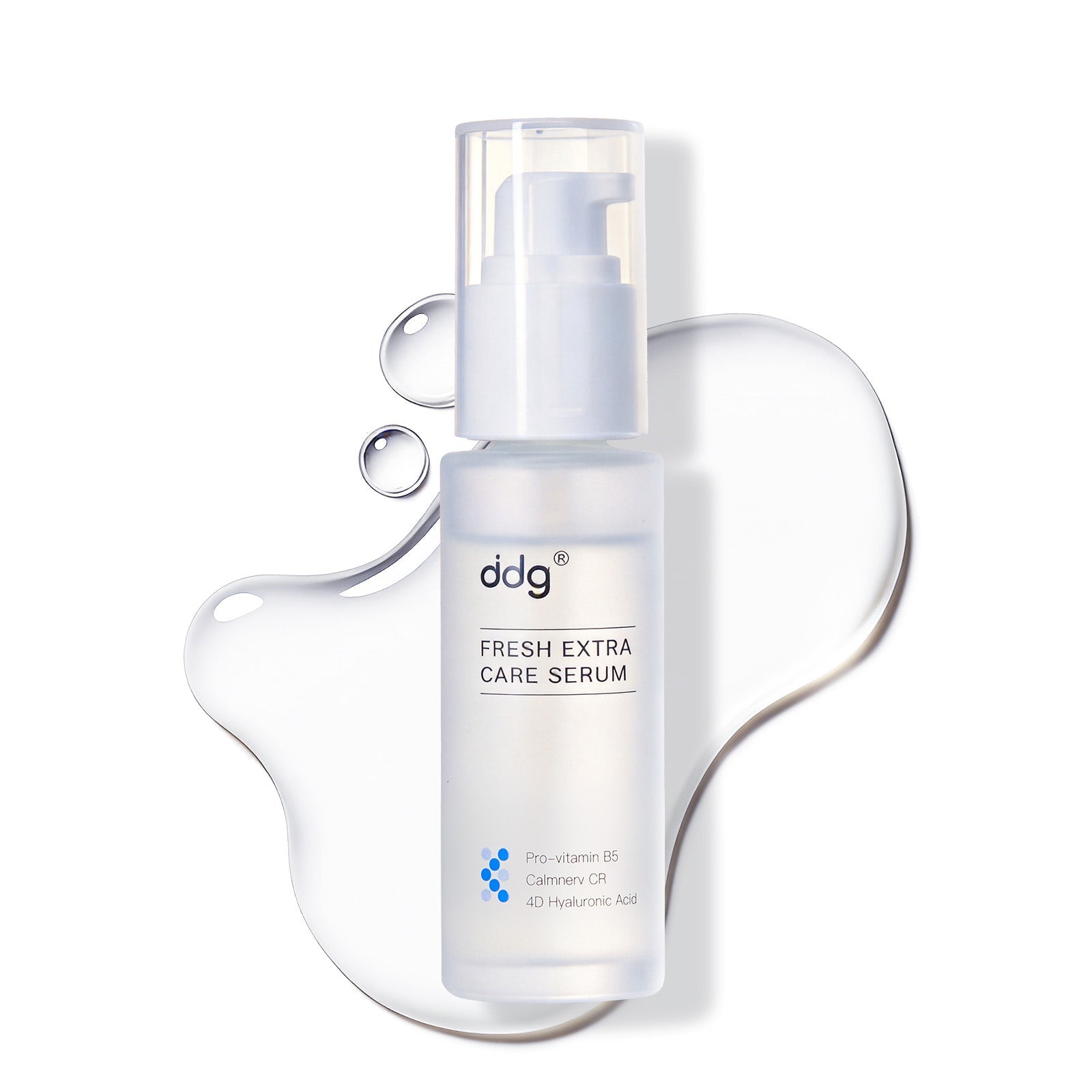
ddg 28-Day Glass Skin Renewal Set
Toner + Serum + Lotion — 完整亮肤体系
- 💧 Toner — Prepares skin with lightweight hydration, enhancing absorption of brightening actives
- 🔬 Serum — Concentrated niacinamide + peptides, targets melanosome transfer and barrier repair simultaneously
- ✨ Lotion — Lightweight gel-cream texture, seals in actives without heaviness or pore-clogging
⭐ 5.00/5 · 8 Reviews · 28-day visible results · Pairs perfectly with your azelaic acid or vitamin C
Shop Now
The niacinamide in the serum is the star ingredient for dark spot fading. Paired with your chosen brightening active (azelaic acid, vitamin C, or retinoid), this three-step system provides the hydration and barrier support that prevents irritation during treatment.
Frequently Asked Questions
Does toothpaste fade dark spots?
No. This is a dangerous myth. Toothpaste contains ingredients like baking soda, hydrogen peroxide, and menthol that are far too harsh for facial skin and can cause chemical burns, worsening PIH. Stick to the dermatologist-approved ingredients listed above.
Can I use multiple brightening ingredients together?
Yes—and it's actually recommended for stubborn spots, since different ingredients target different steps in the pigmentation pathway. The safest combinations: niacinamide + azelaic acid, niacinamide + vitamin C (AM), niacinamide + retinoid (PM, with niacinamide as buffer). Avoid: vitamin C + retinoids in the same routine, and azelaic acid + glycolic acid simultaneously.
Why isn't my dark spot fading even after treatment?
Three common reasons: (1) You're not using sunscreen daily—UV exposure can undo weeks of progress in hours. (2) The spot is dermal (deeper) PIH, which takes 6+ months and may need professional treatments like microneedling or chemical peels. (3) You're switching products too often—give each routine at least 8-12 weeks before judging results.
Is hydroquinone safe for fading dark spots?
Hydroquinone (2% OTC, 4% prescription) is the most potent tyrosinase inhibitor available but carries risks: ochronosis (blue-black skin darkening with prolonged use), irritation, and rebound hyperpigmentation upon discontinuation. It's generally recommended for short-term use (3-4 months) under dermatologist supervision. For most people, the niacinamide + azelaic acid + SPF combination provides sufficient results without these risks.
How do I prevent new dark spots while treating existing ones?
Three rules: (1) Do NOT pick, squeeze, or pop pimples—this is the #1 cause of PIH. (2) Apply SPF 50 every single day, rain or shine, and reapply every 2 hours if outdoors. (3) Treat active acne immediately with salicylic acid or benzoyl peroxide spot treatments to minimize inflammation duration—shorter inflammation = lighter PIH.
Related Articles
- Best Skincare Ingredients for Oily Skin: 7 Derm-Approved Ingredients That Actually Control Oil — Many PIH-fading ingredients overlap with oil-control ingredients. Learn how to build a dual-purpose routine.
- Best Ingredients for Hyperpigmentation: 5 Derm-Approved Picks — A focused deep-dive on the top brightening ingredients with clinical data.
- Salicylic Acid vs Azelaic Acid for Acne: Which Is Better? — Azelaic acid uniquely treats both active acne AND PIH—discover why it's a two-in-one solution.
Last updated: July 14, 2026 · By ddg Beauty Team
This article is for informational purposes only and does not constitute medical advice. Always consult with a dermatologist before starting new skincare treatments.