Best Skincare Ingredients for Oily Skin: 7 Derm-Approved Ingredients That Actually Control Oil
If you have oily skin, you've probably been told to "just use a mattifying product." But controlling oil isn't about stripping your skin dry—it's about choosing the right ingredients that work with your skin's biology, not against it. In this guide, we rank the 7 most effective, dermatologist-approved ingredients for oily skin and explain exactly how each one works, how to layer them, and what to avoid.
📋 Table of Contents
Why Is My Skin So Oily? (The Science)
Before we dive into ingredients, it helps to understand why oily skin happens. Sebum—the oily substance your skin produces—isn't inherently bad. It's your skin's natural moisturizer and protective barrier. The problem arises when your sebaceous glands produce too much of it.
Several factors drive excess sebum production:
| Factor | How It Affects Oil Production |
|---|---|
| Hormones | Androgens (like testosterone) stimulate sebaceous glands. Hormonal fluctuations during puberty, menstruation, pregnancy, and stress can trigger oil surges. |
| Genetics | Some people are simply born with larger, more active sebaceous glands. If your parents had oily skin, you likely will too. |
| Humidity & Climate | Hot, humid environments increase sebum production. Your skin responds to moisture in the air by producing more oil. |
| Over-Cleansing | Stripping your skin of its natural oils triggers a rebound effect—your sebaceous glands go into overdrive to compensate. |
| Diet | High-glycemic foods and dairy have been linked to increased sebum production through insulin and IGF-1 pathways. |
🔬 Key Insight: Oily skin is not a flaw to be "fixed"—it's a skin type that ages slower (more natural moisture = fewer fine lines). The goal of skincare for oily skin is regulation, not elimination.
The 7 Best Ingredients for Oily Skin, Ranked
We've ranked these ingredients based on clinical evidence, tolerability, and real-world effectiveness for oily skin. Each one tackles oil from a different angle—so a combination approach works best.
🥇 #1. Niacinamide (Vitamin B3)
Why it's #1: Niacinamide is the closest thing to a "magic bullet" for oily skin. It directly reduces sebum production at the cellular level by modulating the activity of sebocytes (the cells that produce oil). Multiple clinical studies confirm that 2-4% niacinamide significantly reduces facial sebum within 2-4 weeks of consistent use.
Bonus benefits: Minimizes pore appearance, fades post-acne marks, strengthens the skin barrier, reduces redness. It's well-tolerated by virtually all skin types and plays well with almost every other active ingredient.
- Best concentration: 2-5%
- How to use: AM and/or PM, after cleansing, before moisturizer
🥈 #2. Salicylic Acid (BHA)
Why it's #2: Salicylic acid is oil-soluble, meaning it penetrates deep into pores—unlike water-soluble AHAs that work only on the skin's surface. It exfoliates inside the pore lining, dissolving the mixture of dead skin cells and sebum that leads to clogs and breakouts.
For oily skin specifically, salicylic acid is unmatched in its ability to keep pores clear and reduce blackheads. It also has mild anti-inflammatory properties, which helps calm the redness that often accompanies oily, acne-prone skin.
- Best concentration: 0.5-2%
- How to use: PM only, 2-4 times per week to start, gradually increase to daily
🥉 #3. Hyaluronic Acid
Hyaluronic acid might seem counterintuitive for oily skin—why add hydration when you're already producing oil? But dehydration is a hidden trigger for excess oil. When your skin lacks water, it compensates by producing more sebum.
Hyaluronic acid holds up to 1,000 times its weight in water, providing lightweight, non-greasy hydration that keeps skin balanced without clogging pores. It's a humectant, meaning it pulls moisture from the environment into your skin.
- Best concentration: 0.5-2% (multiple molecular weights for deep + surface hydration)
- How to use: AM and PM, apply to damp skin, seal with moisturizer
#4. Retinoids (Retinol, Retinaldehyde, Adapalene)
Retinoids are the gold standard for long-term oil control. They work by normalizing skin cell turnover and—crucially—reducing sebaceous gland activity over time. The catch? It takes 8-12 weeks to see significant oil reduction, and the initial adjustment period can include dryness and purging.
For oily skin specifically, prescription adapalene (Differin) or over-the-counter retinaldehyde offer the best balance of efficacy and tolerability.
- Best concentration: OTC retinol 0.25-1%, retinaldehyde 0.05-0.1%, adapalene 0.1%
- How to use: PM only, 1-2 times per week to start, buffer with moisturizer
#5. Peptides
Peptides don't directly control oil, but they play a crucial supporting role in oily skin care. Oily skin is often over-treated with harsh actives that compromise the barrier. Peptides—specifically copper peptides and matrixyl—help repair and strengthen the skin barrier, reducing the irritation that can trigger reactive oil production.
They also provide anti-aging benefits without the irritation risk of retinoids, making them an excellent complementary ingredient in an oil-control routine.
- Best types: Copper tripeptide-1, Palmitoyl pentapeptide-4 (Matrixyl), Acetyl hexapeptide-8 (Argireline)
- How to use: AM and/or PM, in serum step, compatible with most actives
#6. AHAs (Glycolic Acid & Lactic Acid)
While salicylic acid (BHA) works inside the pore, AHAs work on the skin's surface. They exfoliate dead skin cells that can trap oil and create a dull, congested appearance—common complaints for oily skin types.
Glycolic acid (the smallest AHA molecule) penetrates deeply and provides the most aggressive exfoliation. Lactic acid is larger, gentler, and also a humectant—making it the better choice for oily skin that's also sensitive or easily irritated.
- Best concentration: Glycolic 5-10%, Lactic 5-10%
- How to use: PM only, 1-3 times per week, not on same night as retinoids or salicylic acid
#7. Zinc PCA
Zinc PCA is the underrated champion of oily skin care—and it shows up in many of the best mattifying products for good reason. It directly inhibits 5-alpha reductase, the enzyme that converts testosterone to DHT (the androgen most responsible for stimulating sebum production). In plain English: it reduces oil at the hormonal signaling level.
Clinical studies show zinc PCA reduces visible shine within hours and cumulative oil production with consistent use. It's also antimicrobial, which helps prevent the bacterial overgrowth that contributes to acne.
- Best concentration: 1-2%
- How to use: AM ideal (for daytime oil control), can use in PM as well
Ingredient Comparison: Which One Should You Choose?
| Ingredient | How It Works | Speed of Results | Best For | Irritation Risk |
|---|---|---|---|---|
| Niacinamide | Reduces sebum production at cellular level | 2-4 weeks | All oily skin types, first-line choice | ⭐ Very Low |
| Salicylic Acid | Clears pores from within, exfoliates | 1-3 weeks | Oily + clogged pores, blackheads | ⭐⭐ Low-Medium |
| Hyaluronic Acid | Hydrates without oil, prevents rebound | Immediate | Oily + dehydrated, tight after cleansing | ⭐ Very Low |
| Retinoids | Normalizes cell turnover, shrinks glands | 8-12 weeks | Oily + aging concerns, persistent acne | ⭐⭐⭐ Medium-High |
| Peptides | Repairs barrier, prevents irritation | 4-8 weeks | Oily + over-treated, barrier-damaged | ⭐ Very Low |
| AHAs | Surface exfoliation, radiance | 1-2 weeks | Oily + dull, textured, uneven tone | ⭐⭐ Low-Medium |
| Zinc PCA | Hormonal-level oil suppression | Immediate (surface) / 4 weeks (deep) | Oily + persistent shine all day | ⭐ Very Low |
How to Build an Oil-Control Routine
The key to an effective oily skin routine is layering lightweight, water-based products in the right order. Here's a template that incorporates the ingredients above:
☀️ Morning Routine (AM)
- Gentle cleanser — A gel or foam cleanser with salicylic acid (0.5-1%) or a non-stripping formula with niacinamide
- Hydrating toner — Lightweight, alcohol-free, with niacinamide, hyaluronic acid, or zinc PCA
- Niacinamide serum — 2-5% niacinamide to regulate daytime oil production
- Lightweight moisturizer — Gel or water-cream with hyaluronic acid and peptides
- Mineral sunscreen SPF 30+ — Non-comedogenic, matte-finish, zinc-based formulas help mattify
🌙 Evening Routine (PM)
- Oil cleanser or cleansing balm — To fully remove sunscreen and makeup (yes, oily skin can—and should—use an oil cleanser; it dissolves excess sebum without stripping)
- Same gentle cleanser as AM (the double cleanse method)
-
Active treatment (alternate nights):
- Night 1: Salicylic acid 2%
- Night 2: AHA (glycolic or lactic acid)
- Night 3: Retinoid (if using)
- Nights 4-7: Rest—niacinamide serum only
- Peptide serum — On nights you're not using exfoliating actives
- Lightweight moisturizer — Gel or lotion with ceramides + peptides
⚠️ Don't Skip This: The #1 mistake oily skin types make is over-exfoliating and under-moisturizing. This damages your skin barrier, which triggers more oil production—the exact opposite of what you want. If your skin feels tight after cleansing, your routine is too harsh.
Our Top Pick: A Complete Routine for Oily Skin
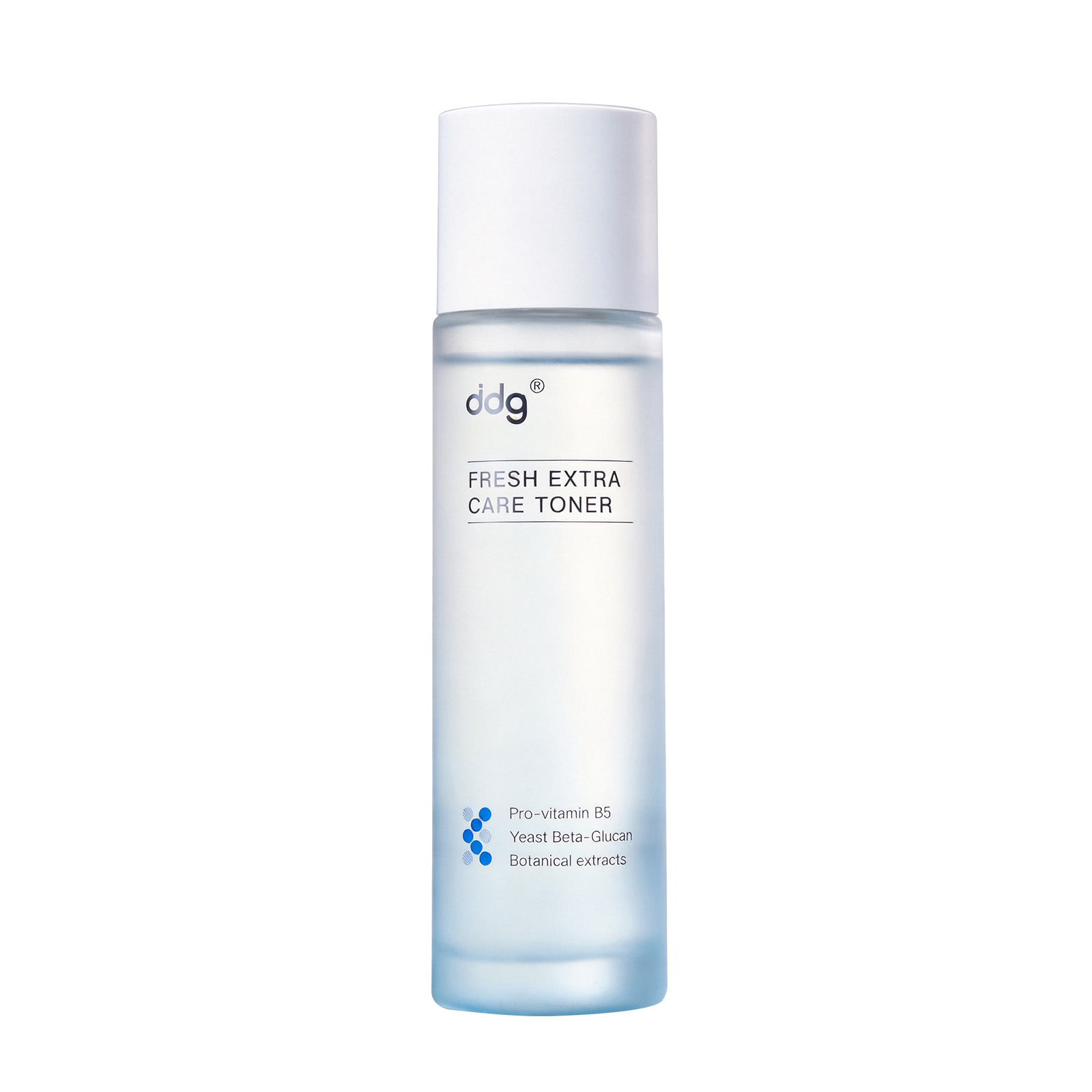
If you're looking for a streamlined, science-backed routine that covers multiple steps in one cohesive system, the ddg 28-Day Glass Skin Renewal Set is worth considering. It combines three lightweight products that work together for oily skin:

ddg 28-Day Glass Skin Renewal Set
Toner + Serum + Lotion — 3-Step Oil-Control & Hydration System
- 💧 Toner — Lightweight hydration with hyaluronic acid and peptides, preps skin without heaviness
- 🔬 Serum — Concentrated niacinamide + peptides, regulates oil and strengthens barrier
- ✨ Lotion — Gel-cream texture, non-comedogenic, provides ceramide support without greasiness
⭐ 5.00/5 · 8 Reviews · 28-day visible results
Shop NowThis set works well for oily skin because every product is lightweight, water-based, and formulated with ingredients that regulate (not strip) oil—niacinamide, peptides, and hyaluronic acid across all three steps.
Ingredient Combinations That Work—and Ones That Don't
How you combine these ingredients matters as much as which ones you choose. Here's a quick compatibility guide:
| Combination | Compatible? | Why |
|---|---|---|
| Niacinamide + Salicylic Acid | ✅ Excellent | Synergistic—BHA clears pores, niacinamide regulates ongoing oil. No conflict. |
| Niacinamide + Hyaluronic Acid | ✅ Excellent | Ultra-safe hydration + oil regulation combo. Use together AM and PM. |
| Salicylic Acid + Retinoids | ⚠️ Caution | Both are exfoliating/potentially irritating. Use on alternate nights, not together. |
| Salicylic Acid + AHAs | ⚠️ Caution | Over-exfoliation risk. Alternate nights only—never layer in same routine. |
| Niacinamide + Retinoids | ✅ Good | Niacinamide reduces retinoid irritation. Use niacinamide AM, retinoid PM. |
| Peptides + AHAs | ❌ Avoid | Acidic pH can break down peptides, reducing effectiveness. Separate routines. |
Frequently Asked Questions
What is the single best ingredient for oily skin?
Niacinamide wins for overall effectiveness, tolerability, and versatility. It directly reduces sebum production, improves pore appearance, fades dark spots, and strengthens the barrier—all with virtually zero irritation risk. If you can only add one ingredient, make it niacinamide.
How long does it take to see results from an oil-control routine?
It depends on the ingredient: niacinamide and salicylic acid show visible results in 2-4 weeks, hyaluronic acid provides immediate hydration comfort, while retinoids take 8-12 weeks for significant oil reduction. The most common mistake is quitting too early—give your routine at least 4-6 weeks before judging results.
Can I use all 7 ingredients in my routine?
No—more isn't better for oily skin. A well-designed routine uses 3-4 of these ingredients in strategic positions: niacinamide daily, salicylic acid or AHA a few times per week, hyaluronic acid daily for hydration, and peptides or zinc PCA as needed. Overloading your routine increases irritation risk without adding benefit.
Do I need different ingredients for summer vs winter?
Yes. In summer (hot/humid), prioritize niacinamide, salicylic acid, and zinc PCA—ingredients that actively control oil. In winter (cold/dry), dial back exfoliants and increase hyaluronic acid, peptides, and barrier-supporting ingredients. Your oil production naturally decreases in colder weather, so your routine should adjust accordingly.
What ingredients should I absolutely avoid if I have oily skin?
Avoid heavy occlusives (petrolatum, mineral oil, thick shea butter) in leave-on products. Denatured alcohol, while it gives a temporary matte feel, triggers rebound oil production. Coconut oil and its derivatives are highly comedogenic for oily skin. Also avoid products with high concentrations of artificial fragrance, which can irritate and trigger inflammation.
Can oily skin use facial oils?
Yes—but choose carefully. Lightweight, non-comedogenic oils like squalane and jojoba oil (which closely mimics skin's natural sebum) can actually help regulate oil production by signaling to your skin that enough moisture is present. This is the "oil dissolves oil" principle. Apply just 2-3 drops as the last step of your PM routine.
Related Articles
- The Best Face Serum for Acne-Prone Skin: A Complete Buyer's Guide — Explore serums specifically formulated for oily and acne-prone skin types, with detailed ingredient breakdowns.
- Best Ingredients for Hyperpigmentation: 5 Derm-Approved Picks — Two conditions that often accompany oily skin: dark spots and uneven tone. Discover ingredients that treat both.
- Salicylic Acid vs Azelaic Acid for Acne: Which Is Better? — A deep-dive comparison between the top two exfoliating acids for oily, acne-prone skin.
Last updated: July 14, 2026 · By ddg Beauty Team
This article is for informational purposes only and does not constitute medical advice. Always consult with a dermatologist before starting new skincare treatments.