Should You Use Azelaic Acid in the Morning or Night? The Complete Guide
Azelaic acid is one of the most versatile skincare actives—gentle enough for sensitive skin, effective against acne and redness, and unlike retinoids, it won't make your skin more sensitive to sunlight. But one question trips up almost everyone who adds it to their routine: morning or night? The short answer is that azelaic acid works well at either time—but the right choice depends on your skin type, the rest of your routine, and your goals. Here's the complete, science-backed guide to timing azelaic acid for maximum results.
📋 Table of Contents
- What Azelaic Acid Does (Quick Recap)
- The Case for Morning Use
- The Case for Nighttime Use
- Can You Use It Both Morning and Night?
- How to Build Your AM Routine with Azelaic Acid
- How to Build Your PM Routine with Azelaic Acid
- Azelaic Acid AM vs PM: Quick Comparison
- Common Mistakes to Avoid
- Frequently Asked Questions
What Azelaic Acid Does (Quick Recap)
Before deciding when to use it, let's quickly review what azelaic acid actually does—because understanding its mechanism makes timing decisions much clearer.
Azelaic acid is a naturally occurring dicarboxylic acid found in grains like barley and wheat, and it's also produced by a yeast that lives on healthy skin (Malassezia furfur). In skincare, it delivers three powerhouse benefits simultaneously:
- Antibacterial: Kills Cutibacterium acnes (the bacteria behind inflammatory acne) and reduces the population of Staphylococcus epidermidis on the skin surface, helping prevent breakouts at the source.
- Anti-inflammatory: Calms redness and inflammation by inhibiting the production of reactive oxygen species and reducing pro-inflammatory cytokines. This is why it's a first-line treatment for rosacea and why it soothes angry, inflamed acne lesions.
- Keratolytic + Brightening: Gently normalizes keratinization—the skin cell turnover process—which unclogs pores and prevents closed comedones. It also inhibits tyrosinase, the enzyme responsible for melanin production, which fades post-inflammatory hyperpigmentation and evens skin tone over time.
Key takeaway: Unlike AHAs and retinoids, azelaic acid does not increase photosensitivity. This single fact makes it one of the safest actives for daytime use—and gives you flexibility that other treatments don't offer.
☀️ The Case for Morning Use
Using azelaic acid in the morning has several compelling advantages, especially if your nighttime routine is already packed with other actives. Here's why morning application might be your best bet:
1. Antioxidant Protection During the Day
Azelaic acid functions as a mild antioxidant, scavenging free radicals generated by UV exposure and pollution. While it's not a replacement for vitamin C or sunscreen, it adds an extra layer of environmental defense when worn during the day. A 2018 study published in the Journal of Dermatological Science found that azelaic acid reduces UV-induced oxidative stress markers in keratinocytes, supporting its role as a daytime adjuvant to your SPF.
2. Redness Control That Lasts All Day
If you struggle with facial redness—whether from rosacea, post-acne erythema, or just general sensitivity—applying azelaic acid in the morning keeps inflammation suppressed when you're out in the world. The anti-inflammatory effect peaks a few hours after application and sustains through the day, meaning you'll look less flushed during meetings, social events, and photo opportunities.
3. Frees Up Your PM Routine for Stronger Actives
Retinoids (retinol, tretinoin, adapalene) and exfoliating acids (glycolic, lactic, salicylic) are almost always reserved for nighttime due to photosensitivity concerns. If you put azelaic acid in your morning slot, you can keep your evening routine focused on these stronger treatments without crowding or layering conflicts.
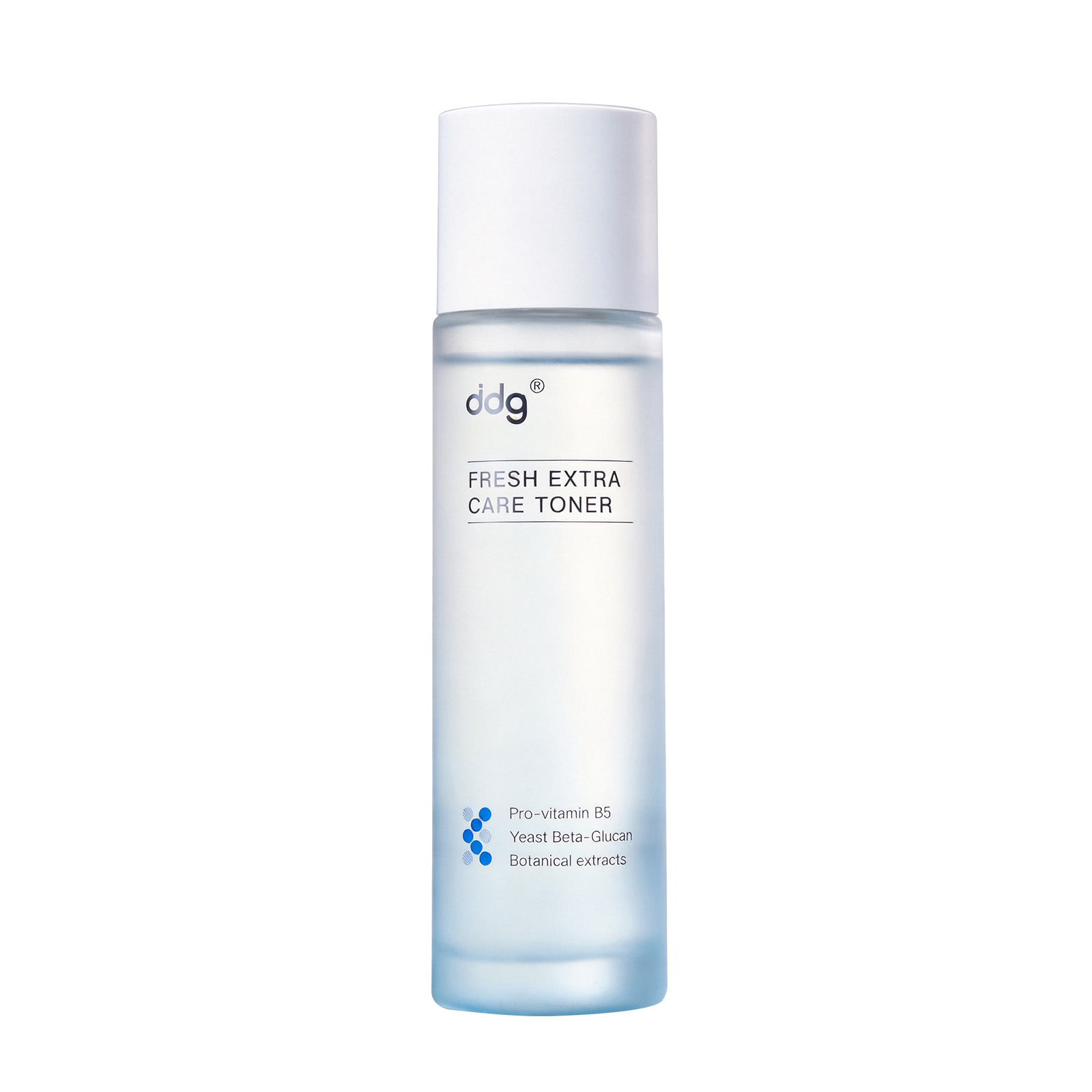
💡 Pro Tip: In your AM routine, apply a hydrating toner before azelaic acid to prep your skin and buffer potential irritation. A toner with pro-vitamin B5 and beta-glucan (like ddg's Fresh Extra Care Toner) provides a moist base that helps azelaic acid spread evenly and absorb without pilling.
4. No Sun Sensitivity—Truly
This cannot be overstated: azelaic acid does not thin the stratum corneum like AHAs, nor does it increase UVB-induced DNA damage like retinoids. Multiple clinical studies confirm it is non-photosensitizing. This is not marketing language—it's pharmacology. You can apply azelaic acid, walk outside into direct sunlight (with SPF, of course), and not worry about it degrading or amplifying UV damage.
🌙 The Case for Nighttime Use
Nighttime is traditionally when most treatment actives are applied—and for good reason. Your skin's repair mechanisms peak during sleep, and the absence of UV exposure creates an optimal environment for active ingredients to work undisturbed. Here's why nighttime azelaic acid makes sense:
1. Synergy with the Skin's Natural Repair Cycle
Your skin enters a regenerative phase during sleep: cell proliferation increases, transepidermal water loss decreases, and blood flow to the skin rises. Applying azelaic acid at night aligns its keratolytic and anti-inflammatory actions with this natural repair window. Studies on circadian rhythm and skin biology suggest that actives targeting cell turnover—which azelaic acid does, gently—may be marginally more effective when applied in the evening.
2. No Pilling, No Makeup Conflicts
Azelaic acid formulations, especially prescription-strength 15-20% creams and gels, can pill or ball up under makeup and sunscreen. The silicone bases used in some azelaic acid products (like Finacea gel) are particularly prone to this. Using it at night eliminates the cosmetic headache entirely—you apply it, go to sleep, and wake up with zero residue or pilling concerns.
3. Works Alongside Retinoids
Azelaic acid and retinoids make an excellent nighttime pair for acne-prone skin. While they should not be layered simultaneously (that's a recipe for irritation), you can use azelaic acid on "off nights" from your retinoid, or alternate them in a cycle: retinol Monday-Wednesday-Friday, azelaic acid Tuesday-Thursday-Saturday, rest day Sunday. This approach gives you the comedolytic power of a retinoid with the antibacterial and anti-inflammatory benefits of azelaic acid.
4. Ideal Base for Barrier Repair
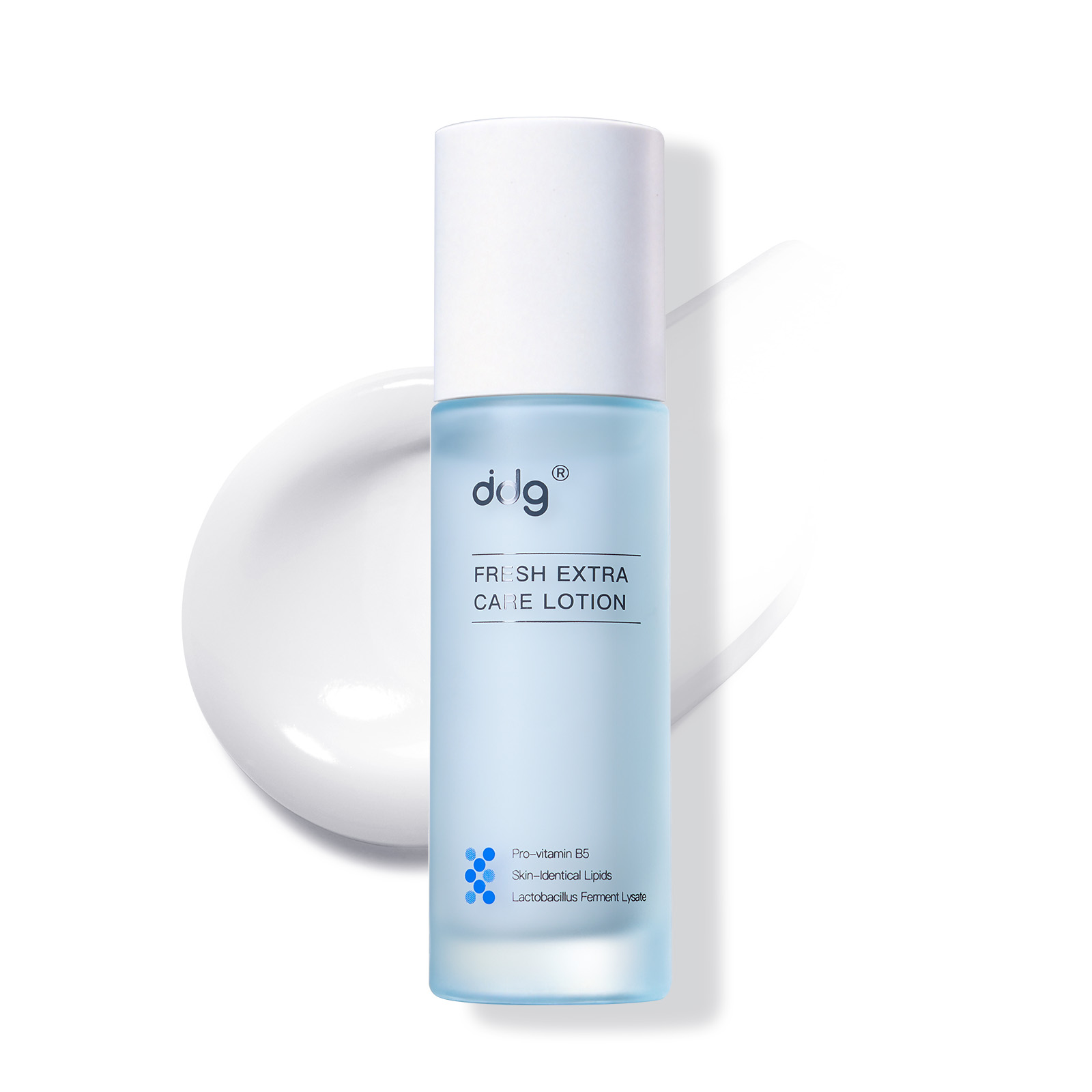
Azelaic acid can be mildly drying in the first 2-4 weeks of use. At night, you can follow it with a richer moisturizer or a barrier-repair lotion without worrying about greasy daytime shine. A moisturizer with botanical ceramides, squalane, or oat kernel oil provides the occlusion needed to lock in hydration while azelaic acid does its work. This is especially helpful if you have dry or dehydrated skin.
Can You Use It Both Morning and Night?
Yes—once your skin has adapted. Here's a safe progression timeline:
| Week | Frequency | Notes |
|---|---|---|
| 1-2 | Once daily (AM or PM) | Start with the gentlest formulation you can find. Expect mild tingling for the first 5-10 minutes after application. If stinging persists beyond 15 minutes, buffer with moisturizer. |
| 3-4 | Once daily | Your skin should be acclimated by now. Tingling should be minimal or gone. You can begin alternating between AM and PM depending on your schedule. |
| 5-6 | Twice daily (if needed) | If you're treating active acne or stubborn hyperpigmentation, introduce a second application. Apply a pea-sized amount each time—more does not mean faster results. |
| 7+ | Twice daily or maintenance | Many users settle into once-daily maintenance once their skin clears, using twice-daily only during flare-ups or periods of increased pigmentation. |
💡 Pro Tip: If you have rosacea or extremely sensitive skin, twice-daily use may be too much. Stick to once daily (morning is preferable for redness control) and never skip moisturizer afterward. Some of the best clinical results for rosacea come from consistent once-daily use over 15 weeks, not aggressive twice-daily application.
How to Build Your AM Routine with Azelaic Acid
Here's a streamlined morning routine that layers azelaic acid correctly with other morning staples:
- Gentle Cleanser — Use a non-foaming, pH-balanced cleanser. A cleansing balm or cream cleanser is ideal since it won't strip your moisture barrier before applying actives.
- Hydrating Toner — Apply a few drops of a hydrating toner (look for pro-vitamin B5, beta-glucan, or glycerin) to damp skin. This step preps your skin and creates a smooth, moist surface for azelaic acid to spread evenly.
- Azelaic Acid — Apply a pea-sized amount to your entire face, focusing on areas prone to redness, acne, or hyperpigmentation. Avoid the immediate eye area. Wait 2-3 minutes for it to absorb.
- Moisturizer — A lightweight, non-comedogenic moisturizer seals everything in. Gel-cream textures work beautifully for oily and combination skin; a slightly richer lotion suits drier types.
- Sunscreen SPF 30+ — Non-negotiable. Apply generously as the final step. Reapply every 2 hours if you're outdoors.
How to Build Your PM Routine with Azelaic Acid
Here's how to structure your evening routine with azelaic acid, including how to alternate it with other actives:
- Oil Cleanser or Cleansing Balm — Remove sunscreen and makeup thoroughly. A cleansing balm with oat kernel oil is particularly soothing for sensitive skin that's about to receive active treatment.
- Water-Based Cleanser — Follow with a gentle second cleanse to remove any remaining residue.
- Toner (Optional) — Same hydrating toner from your AM routine, or skip if your skin feels adequately hydrated post-cleanse.
- Azelaic Acid — Apply the same pea-sized amount to clean, dry or slightly damp skin. If using it on a "retinoid night," apply azelaic acid on nights you're not using your retinoid.
- Moisturizer or Night Cream — A richer formula works well at night. Look for ceramides, squalane, or peptides to support overnight repair. If azelaic acid has made your skin feel tight, this step is crucial.
Sample Weekly Schedule: Monday (Azelaic Acid PM) → Tuesday (Retinoid PM) → Wednesday (Azelaic Acid PM) → Thursday (Retinoid PM) → Friday (Azelaic Acid PM) → Saturday (Rest—moisturizer only) → Sunday (Azelaic Acid AM + Rest PM). This alternating schedule gives you the benefits of both without over-exfoliating.
Azelaic Acid AM vs PM: Quick Comparison
| Factor | Morning (AM) | Night (PM) |
|---|---|---|
| Sun sensitivity risk | None (always wear SPF) | None |
| Pilling under makeup | Possible with silicone-based formulas | Not an issue |
| Compatibility with other actives | Works with vitamin C, niacinamide, peptides | Alternate with retinoids, AHAs, BHAs |
| Redness control | All-day soothing—best for rosacea | Overnight calming only |
| Skin repair synergy | Antioxidant boost during daytime | Aligns with circadian repair peak |
| Best for | Rosacea, daytime redness, full PM routine | Acne treatment, cosmetic convenience, dry skin |
⚠️ Common Mistakes to Avoid
- Applying too much product. More azelaic acid does not accelerate results. A pea-sized amount is enough for the entire face. Over-application increases irritation risk without adding benefit.
- Skipping moisturizer. Even if your azelaic acid comes in a cream base, you need a dedicated moisturizer. Azelaic acid is not a moisturizer—it's a treatment active. Using it without moisturizer is the fastest route to a compromised barrier.
- Layering with benzoyl peroxide. Benzoyl peroxide and azelaic acid should not be used in the same routine session. They can oxidize each other and cause significant irritation. If you use both, apply benzoyl peroxide in the morning and azelaic acid at night, or vice versa.
- Not waiting between layers. Rushing through your routine and applying moisturizer immediately after azelaic acid can dilute the active and reduce efficacy. Wait 2-3 minutes for azelaic acid to absorb before moving to the next step.
- Giving up too soon. Azelaic acid is not an overnight miracle. Acne reduction takes 4-8 weeks; hyperpigmentation fading can take 8-16 weeks. Consistency is the single biggest predictor of results—not timing, not formulation strength.
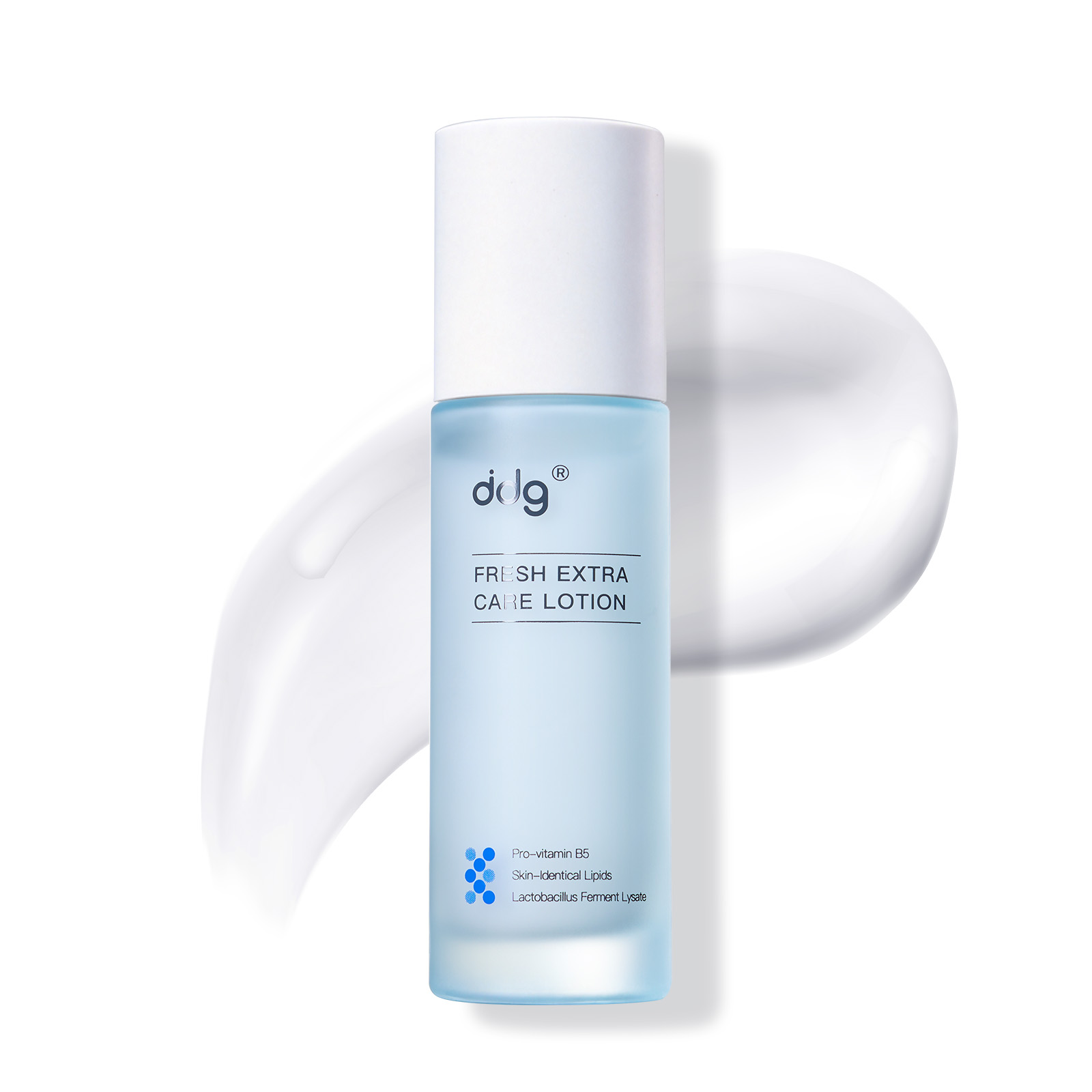
ddg Fresh Extra Care Lotion
A lightweight yet deeply nourishing moisturizer formulated with botanical ceramides, pro-vitamin B5, and yeast beta-glucan—the perfect partner to azelaic acid for both AM and PM routines.
$17.99
- Botanical ceramides reinforce barrier function
- Pro-vitamin B5 soothes azelaic acid-related dryness
- Yeast beta-glucan calms redness and irritation
- Non-comedogenic, fragrance-free, sensitive-skin safe
Use code WIN10 for 10% off
❓ Frequently Asked Questions
Can I use azelaic acid twice a day?
Yes, azelaic acid is gentle enough for twice-daily use once your skin has built tolerance. Start with once daily (morning or night) for the first 2-4 weeks, then gradually increase to AM and PM if your skin tolerates it well. Many dermatologists recommend twice-daily application for best results on acne and hyperpigmentation.
Does azelaic acid make skin more sensitive to the sun?
Unlike AHAs, BHAs, and retinoids, azelaic acid does not increase photosensitivity. This makes it one of the safest actives for daytime use. However, you should always wear broad-spectrum SPF 30+ daily regardless of which actives you use, as UV exposure is the primary driver of hyperpigmentation and premature aging.
Should I apply azelaic acid before or after moisturizer?
Apply azelaic acid after cleansing and toning but before moisturizer. The general rule is: apply products from thinnest to thickest consistency. If you have sensitive skin and find azelaic acid irritating, you can use the sandwich method—moisturizer, azelaic acid, then another layer of moisturizer—to buffer the active without significantly reducing its efficacy.
Can I use azelaic acid with vitamin C in the morning?
Yes, azelaic acid and vitamin C can be used together in your morning routine. Apply vitamin C first (after cleansing, before moisturizer), wait 2-3 minutes for it to absorb, then apply azelaic acid. Both are antioxidants that work well together. If you experience any tingling or irritation, alternate them—use vitamin C in the morning and azelaic acid at night.
Does azelaic acid work better at night?
Azelaic acid is equally effective whether applied in the morning or at night. Unlike retinoids that degrade in sunlight, azelaic acid is photostable. The best time to use it depends on your overall routine: if you use retinol or exfoliating acids at night, apply azelaic acid in the morning. If your morning routine is already packed, shift it to nighttime.
How long does azelaic acid take to show results?
You may notice reduced redness and a calmer complexion within 2-4 weeks of consistent use. For acne reduction, expect visible improvement around 4-8 weeks. For hyperpigmentation and post-acne marks, results typically appear after 8-16 weeks. Consistency is key—using it daily (morning or night) produces significantly better outcomes than sporadic application.
Can azelaic acid replace my moisturizer?
No. Azelaic acid is a treatment active, not a moisturizer. Even if your azelaic acid product comes in a cream base, you still need a dedicated moisturizer afterwards to support your skin barrier and prevent dehydration. Azelaic acid can be slightly drying, especially in the first few weeks, so a hydrating moisturizer is essential in any routine that includes it.