The Best Face Serum for Acne-Prone Skin: A Complete Buyer's Guide
You're standing in the serum aisle — or scrolling through endless product pages — and every label promises to "clear breakouts," "control oil," and "transform your skin." But if you have acne-prone skin, picking the wrong serum doesn't just waste money — it can trigger a full-blown breakout that takes weeks to recover from. The truth is, only about 3 out of every 10 serums marketed for acne actually have the right ingredient profile to help without causing more harm. This guide cuts through the noise. You'll learn the 6 ingredients that genuinely work, the red-flag ingredients to avoid, and a simple framework to match a serum to your specific acne type — so your next purchase is your last bad purchase.

Table of Contents
- Why Acne-Prone Skin Needs a Different Kind of Serum
- The 6 Best Serum Ingredients for Acne, Ranked
- Ingredients to Avoid: The Acne Trigger List
- How to Choose: Serum Texture vs Your Skin Type
- How to Layer Your Serum: The AM/PM Blueprint
- Morning vs Night Serums: What Actually Changes
- 4 Serum Mistakes That Make Acne Worse
- Frequently Asked Questions
Why Acne-Prone Skin Needs a Different Kind of Serum
Here's what most people don't realize: acne-prone skin has a compromised barrier by default. The same inflammation that causes breakouts also weakens the skin's protective layer, making it more reactive to ingredients that normal skin would tolerate without issue. This means a serum that works beautifully for someone with balanced skin can trigger a cascade of clogged pores and irritation on acne-prone skin.
Three things make a serum "acne-safe":
- Non-comedogenic base. The delivery vehicle matters just as much as the active ingredient. A stellar active suspended in coconut oil is still going to break you out.
- Anti-inflammatory support. Acne is an inflammatory condition. A good serum doesn't just fight bacteria or unclog pores — it actively calms the underlying inflammation that drives breakouts.
- pH-aware formulation. Acne-prone skin typically has a higher (more alkaline) pH, which favors bacterial growth. A well-designed serum stays within the 4.5–5.5 pH range to support the acid mantle without causing stinging on compromised skin.
Key Insight: The best serum for acne-prone skin isn't the most potent one — it's the one that treats breakouts without sacrificing barrier health. Aggressive formulas that leave your skin tight, red, and stinging are actively making your acne worse in the long run.
The 6 Best Serum Ingredients for Acne, Ranked
These six ingredients have the strongest clinical evidence for treating acne-prone skin. They're ranked by how well they balance efficacy with tolerability — because the best ingredient in the world is useless if it irritates your skin so much you stop using it.
#1 Niacinamide (Vitamin B3)
Niacinamide regulates sebum production by reducing the activity of sebocytes — the cells that produce oil. In concentrations of 4–5%, it has been shown to reduce sebum excretion by up to 40% over 4 weeks. It's also a powerful anti-inflammatory that calms the redness and irritation associated with active breakouts, and it strengthens the barrier by boosting ceramide synthesis. Why it's #1: It's effective, well-tolerated by almost all skin types, and addresses three acne mechanisms simultaneously — oil, inflammation, and barrier damage — without dryness or purging.
Best for: Oily + inflamed + sensitive acne#2 Azelaic Acid
Azelaic acid works through a triple mechanism: it's anti-inflammatory (suppressing the cathelicidin pathway that drives acne redness), anti-microbial (inhibiting C. acnes bacteria), and anti-keratinizing (normalizing the shedding of dead skin cells that clog pores). Unlike exfoliating acids, it achieves pore-clearing without disrupting the barrier. It's also a tyrosinase inhibitor — meaning it fades post-acne marks while treating active breakouts. Why it's #2: It's the only ingredient that simultaneously treats active acne and the dark marks left behind, and it's pregnancy-safe (Category B).
Best for: Inflammatory acne + PIH + rosacea-prone#3 Salicylic Acid (BHA)
Salicylic acid is oil-soluble, which means it penetrates deep into the pore lining to dissolve the mixture of sebum and dead skin cells that forms the physical plug of a blackhead or whitehead. At 0.5–2%, it provides gentle exfoliation inside the pore without the surface irritation that glycolic or lactic acid can cause. Why it's #3: It's the best ingredient for comedonal acne (blackheads, closed comedones), but it can be drying if overused — making it slightly less versatile than niacinamide or azelaic acid.
Best for: Blackheads + clogged pores + textured skin#4 Retinoids (Retinaldehyde / Adapalene / Granactive Retinoid)
Retinoids accelerate cellular turnover, preventing the accumulation of dead skin cells that form the foundation of every clogged pore. They also regulate the keratinization process at the follicular level — the root cause of microcomedone formation. Over-the-counter options like retinaldehyde and granactive retinoid offer efficacy with significantly less irritation than prescription tretinoin. Why it's #4: Retinoids are the most effective long-term acne prevention ingredient, but the adjustment period (4–8 weeks of dryness and possible purging) requires patience and a good supporting routine.
Best for: Persistent acne + anti-aging + skin texture#5 Hyaluronic Acid + Ceramides
These aren't direct acne fighters — they're barrier builders. When acne-prone skin becomes dehydrated (often from harsh acne treatments), it overproduces oil to compensate, creating a cycle of dryness-then-greasiness that fuels more breakouts. A hyaluronic acid serum with ceramides replenishes water content without adding oil, breaking this cycle. Why it's #5: It doesn't treat acne directly, but it creates the conditions for other actives to work better. Hydrated, resilient skin tolerates active ingredients with less irritation.
Best for: Dehydrated + combination acne + treatment support#6 Centella Asiatica (Cica) + Peptides
Centella asiatica contains madecassoside and asiaticoside — compounds that accelerate wound healing and reduce inflammation at the cellular level. For acne-prone skin, this means breakouts heal faster with less post-inflammatory redness. Peptides support collagen production, which is important because chronic acne inflammation degrades collagen over time, leading to atrophic scarring. Why it's #6: These are the "repair crew" — they won't clear active acne, but they'll dramatically reduce the aftermath and support long-term skin health.
Best for: Healing breakouts + preventing scars + sensitive skinIngredients to Avoid: The Acne Trigger List
Even serums with great active ingredients can cause breakouts if their base formula includes the wrong carriers, emulsifiers, or preservatives. Here are the most common offenders — check your serum's ingredient list before buying:
| Ingredient | Why It's a Problem | Commonly Found In |
|---|---|---|
| Coconut Oil (Cocos Nucifera) | Comedogenic rating of 4/5 — highly likely to clog pores | "Natural" and "organic" serums |
| Isopropyl Myristate / Palmitate | Penetration enhancers that can trap debris in pores; comedogenic rating 4–5 | Lightweight-feeling serums, "dry oil" formulations |
| Alcohol Denat (SD Alcohol) | Strips the barrier, triggers rebound oil production and inflammation | "Quick-dry" and "mattifying" serums |
| Heavy Silicones (Dimethicone, high %) | Can form an occlusive film that traps bacteria and oil against the skin | "Blurring" and "pore-filling" serums |
| Fragrance / Essential Oils | Common contact allergens; chronic low-grade irritation worsens acne inflammation | "Luxury" and botanical serums |
| Algae Extract (some species) | Some algae types are highly comedogenic for acne-prone individuals | "Marine" and "ocean-derived" serums |
How to Choose: Serum Texture vs Your Skin Type
The texture of a serum — water, gel, emulsion, or oil — matters almost as much as its active ingredients. Get this wrong, and even the best niacinamide formula can feel heavy, pill under sunscreen, or trigger midday grease.
| Skin Type | Best Serum Texture | Why | Look For |
|---|---|---|---|
| Oily + Acne | Water-based or ultra-light gel | Absorbs instantly without adding any oil; won't contribute to midday shine | Niacinamide, salicylic acid, zinc PCA serums |
| Combination + Acne | Light gel or gel-cream | Hydrates dry zones without overwhelming oily T-zone | Azelaic acid, hyaluronic acid + niacinamide serums |
| Dry + Acne | Cream-gel or light emulsion | Provides enough moisture to prevent treatment-induced flaking | Ceramide + peptide serums; azelaic acid in cream base |
| Sensitive + Acne | Water-gel with minimal ingredient list | Fewer ingredients = fewer possible irritants; gel texture is cooling and non-reactive | Centella asiatica, madecassoside, low-% niacinamide (2–4%) |
| Cystic / Hormonal Acne | Light gel with anti-inflammatory focus | Deep cysts need anti-inflammatory action, not heavy exfoliants | Azelaic acid + niacinamide + peptides |
How to Layer Your Serum: The AM/PM Blueprint
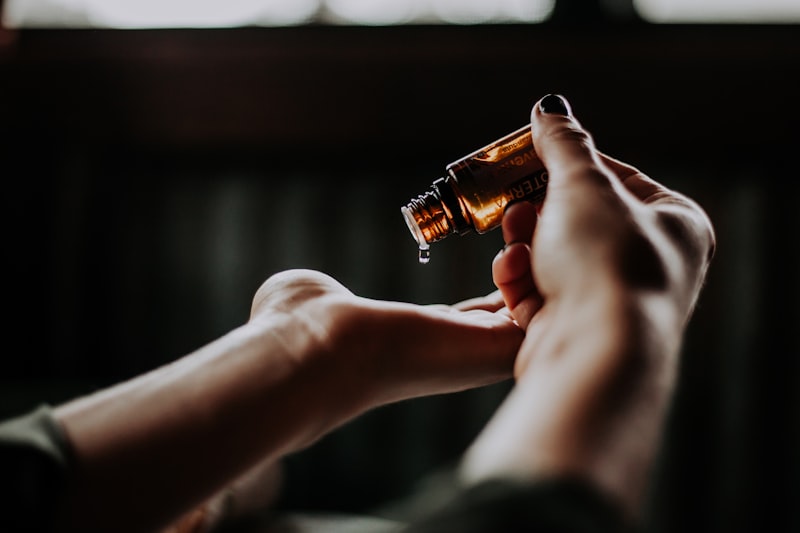
Where your serum sits in your routine — and what it sits next to — determines whether it helps or hurts. Follow this acne-safe layering sequence:
The Correct Order (Thinnest → Thickest)
- Cleanse. Gentle, non-stripping. If you're treating acne, your cleanser should never leave your face feeling tight.
- Serum (water-based). Apply to slightly damp skin for better absorption, but not dripping wet — water dilutes the active.
- Wait 60 seconds. Let the serum fully absorb. Rushing to the next step can cause pilling and reduce efficacy.
- Treatments (if any). Prescription topicals go after serum but before moisturizer.
- Moisturizer. A lightweight gel or lotion. This seals in the serum and keeps your barrier intact.
- Sunscreen (AM only). SPF 30 minimum. Many acne actives increase photosensitivity.
Which Serums Can Share a Routine?
| Serum A | Serum B | Can Layer? | How |
|---|---|---|---|
| Niacinamide | Salicylic Acid | ✅ Yes | Niacinamide first, then BHA. Both work at similar pH. Great combo for oily acne. |
| Niacinamide | Azelaic Acid | ✅ Yes | Either order works. These two are a gold-standard pairing for inflammatory acne + PIH. |
| Vitamin C (L-AA) | Salicylic Acid | ⚠️ Separate | Vitamin C needs low pH (~3.5); BHA also low pH. Together they can over-exfoliate. Use C in AM, BHA in PM. |
| Retinoid | Salicylic Acid | ❌ Avoid together | Both are exfoliating. Too much in one routine = barrier damage. Alternate nights. |
| Hyaluronic Acid | Any active | ✅ Yes | HA is universally compatible. Apply after active serums, before moisturizer. |
Morning vs Night Serums: What Actually Changes
The "AM vs PM" serum debate isn't marketing fluff — some ingredients genuinely perform better at specific times of day due to how your skin's biology operates on a circadian rhythm.
| Time | Best Serum Type | Why | Examples |
|---|---|---|---|
| Morning | Antioxidant + Hydration + Oil Control | Skin faces UV, pollution, and oxidative stress during the day. Oil production peaks mid-afternoon. | Niacinamide, hyaluronic acid, peptides, centella |
| Night | Treatment + Exfoliation + Barrier Repair | Skin permeability peaks at night (TEWL increases by 20-30%); cell turnover and repair accelerate during sleep. | Salicylic acid, azelaic acid, retinoids, ceramides |
| Both | Barrier Support | Barrier maintenance is a 24/7 job, especially on acne-treated skin. | Low-% niacinamide, peptides, panthenol |
The Simple Rule: If you only use one serum for acne, use it at night. Your skin's repair machinery is most active between 10 PM and 2 AM, and ingredient penetration is up to 30% higher. You'll get better results from the same product — for free.

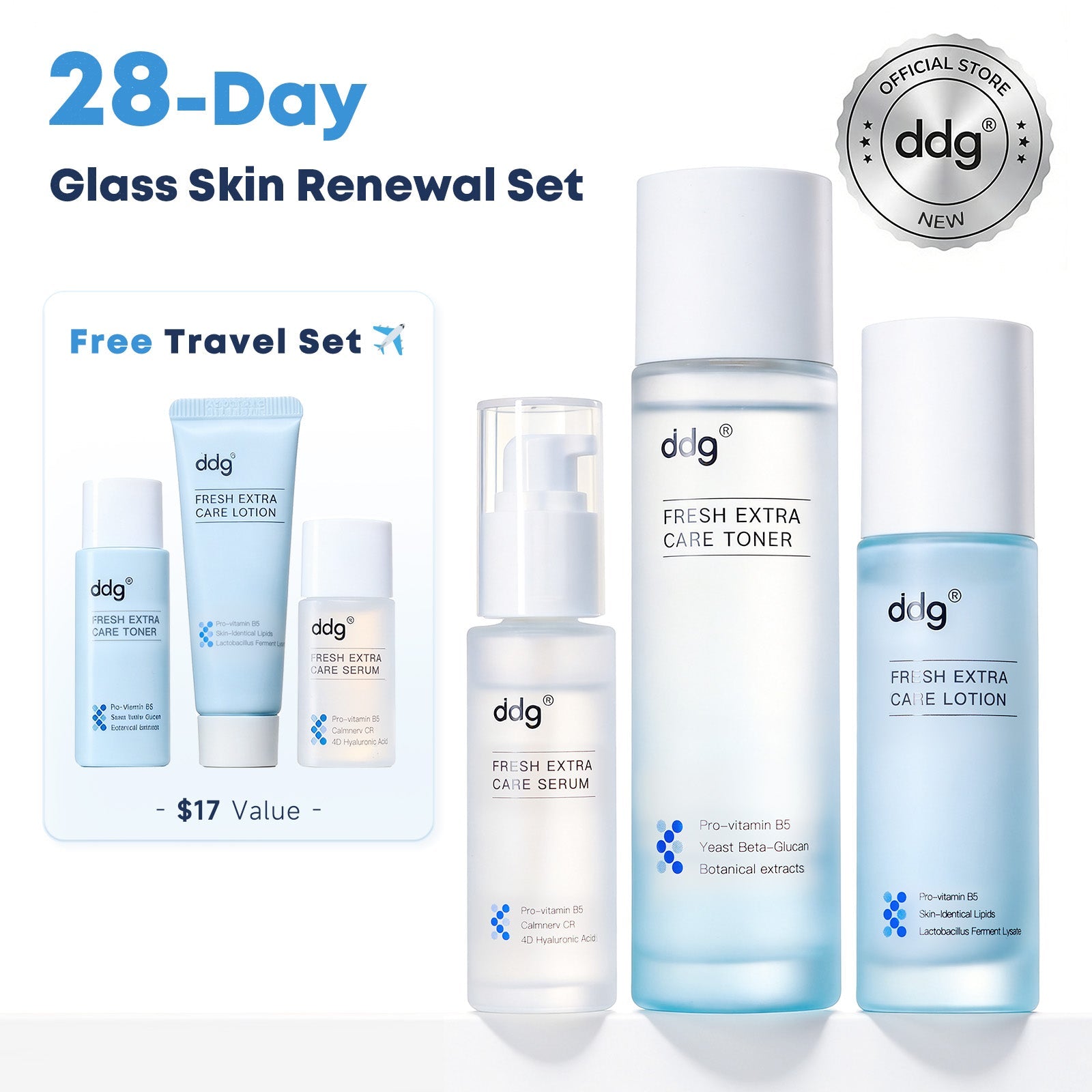
ddg 28-Day Glass Skin Renewal Set
- Ceramide + Peptide + Hyaluronic Acid — the exact trio acne-treated skin needs for barrier repair
- 15-minute visible calming of redness and irritation
- Lightweight water-gel textures across all three steps — zero pore-clogging risk
- 4D care system: hydrate, lock in moisture, soothe, and repair — works alongside your acne actives
If your acne treatment is leaving your skin dry, tight, or flaky — which most effective treatments do at first — adding a barrier-supportive regimen like this is not optional. It's the difference between a treatment you can stick with and one you quit after two weeks.
4 Serum Mistakes That Make Acne Worse
- Using too many serums at once. More is not more. Every additional product increases the number of ingredient interactions — and with acne-prone skin, the probability of a negative interaction rises exponentially. Stick to 1–2 serums max per routine.
- Switching serums every 2 weeks. Acne treatments need 4–6 weeks of consistent use before you can fairly judge them. Switching too fast means you never give any ingredient a real chance — and you keep introducing new variables that can trigger fresh breakouts.
- Skipping moisturizer because "my skin is oily enough." This is the #1 mistake in acne skincare. When you strip moisture, your skin panics and overproduces oil to compensate — the exact opposite of what you want. Always moisturize after serum.
- Applying serum to broken, picked-at skin. A serum's job is to penetrate. If you've been picking at a pimple and the skin is open, that penetration becomes irritation. Let broken skin heal before resuming actives on that area.
Frequently Asked Questions
What type of serum is best for acne-prone skin?
Water-based or gel-based serums are best for acne-prone skin. Look for lightweight, non-comedogenic formulas with ingredients like niacinamide (oil control), salicylic acid (pore-clearing), azelaic acid (redness + breakouts), hyaluronic acid (hydration without grease), or peptides (barrier repair). Avoid oil-based serums with heavy occlusives like coconut oil or isopropyl myristate.
Can I use a face serum if I have active acne?
Yes, but choose carefully. Serums with niacinamide, azelaic acid, or centella asiatica can actively calm inflamed breakouts. Salicylic acid serums can help unclog active lesions. Avoid vitamin C (L-ascorbic acid) during active breakouts as its low pH can sting. Always patch-test on a small area first, and stop any serum that causes stinging or worsening within 48 hours.
Should I use my serum in the morning or at night for acne?
It depends on the serum: use niacinamide and hyaluronic acid serums in the morning for daytime oil control and hydration. Use salicylic acid, azelaic acid, and retinol-based serums at night, as they can increase sun sensitivity or work better during the skin's overnight repair cycle. If you use just one serum for acne, apply it at night for maximum benefit.
How many serums can I layer without causing breakouts?
Stick to a maximum of 2 serums at a time if you have acne-prone skin. Layering more than 2 increases the risk of ingredient conflicts and product overload — too many layers can trap oils and bacteria, triggering congestion. If you want to use multiple actives, alternate between AM and PM or on different days.
Can serum replace moisturizer for oily, acne-prone skin?
No. Serums and moisturizers serve different functions. A serum delivers concentrated active ingredients deep into the skin, while a moisturizer seals everything in and maintains the skin barrier. Skipping moisturizer — even with oily, acne-prone skin — can trigger rebound oil production and worsen breakouts. Choose a lightweight, gel-based moisturizer after your serum.
How long does it take for a serum to clear acne?
Most acne-fighting serums show initial results within 4–6 weeks of consistent use. Active inflammatory breakouts may calm earlier (2–3 weeks with niacinamide or azelaic acid). Post-acne marks and texture improvement typically take 8–12 weeks. If you see zero improvement after 8 weeks, the serum's active ingredient may not be the right match for your acne type.
What ingredients should acne-prone skin avoid in a serum?
Avoid coconut oil, isopropyl myristate, isopropyl palmitate, alcohol denat (drying alcohol), heavy fragrances, and high concentrations of occlusive silicones. These ingredients can clog pores, irritate inflamed skin, or disrupt the moisture barrier. Always check the first 5 ingredients — if comedogenic ingredients appear early, skip it.
Choosing the right serum for acne-prone skin isn't about finding the most expensive bottle or the one with the most dramatic before-and-after photos. It's about matching the right active ingredient to your specific acne pattern, delivered in a texture your skin can tolerate, layered into a routine that supports rather than sabotages your barrier. Start with niacinamide if you're unsure — it's the most forgiving and versatile acne ingredient available — and build from there. Your skin will tell you what works. Listen to it.
Our Approach at ddg: We formulate for skin that's been through it — the irritated, the reactive, the acne-prone. Every product, from our Ceramide + Peptide 28-Day Set to our gentle Cleansing Balm, is built on the principle that effective skincare shouldn't come at the cost of your skin barrier. Because clear skin and calm skin aren't opposites — they're the same thing.