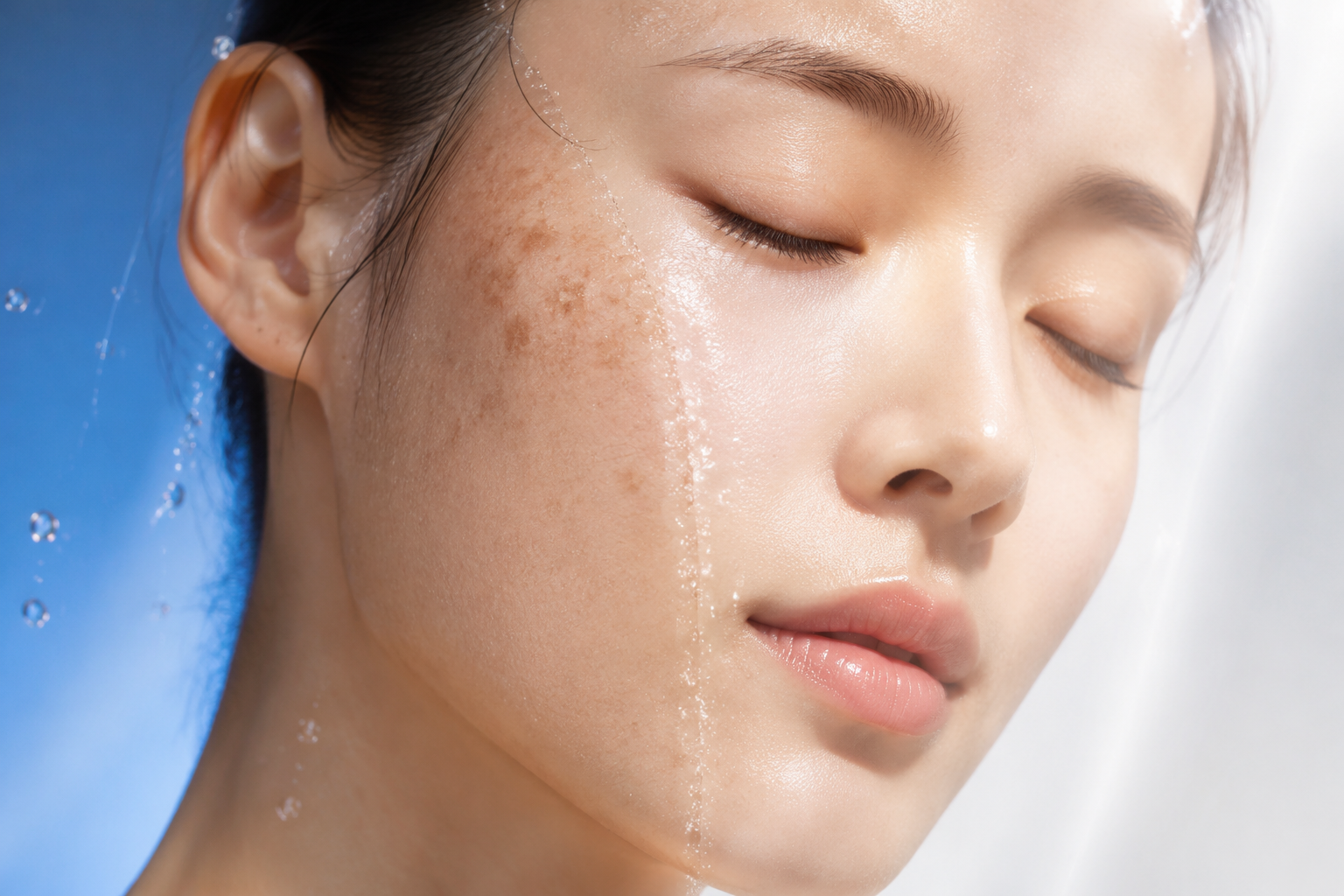
How to Fade Dark Spots from Acne: A Complete Treatment Guide
You finally got the breakout under control — but now there's a new problem. Those flat, brownish marks that linger weeks after the pimple is gone. You're not alone. Post-inflammatory hyperpigmentation (PIH) affects up to 65% of acne patients, and in darker skin tones, the marks can stick around for 6-12 months without treatment. The good news: with the right ingredients and consistent routine, you can significantly speed up the process. Here's exactly how, backed by dermatological science.
Key Insight: Dark spots from acne aren't scars — they're pigment deposits that sit in the upper skin layers. Scars involve permanent collagen damage (texture changes). Dark spots are flat color changes that can fade completely. The right treatment can cut the fading timeline from 6-12 months to 8-12 weeks. The wrong approach — picking, skipping SPF, over-exfoliating — can double it.
Table of Contents
- PIH vs PIE: Diagnose Your Dark Spots First
- The Science: Why Acne Leaves Marks Behind
- 7 Ingredients That Fade Dark Spots, Ranked by Evidence
- Your Morning Routine for Fading Dark Spots
- Your Nighttime Routine for Fading Dark Spots
- The Ingredient Synergy Matrix: What to Layer Together
- 4 Skin Type Adjustments
- Timeline: What to Expect Week by Week
- 6 Mistakes That Make Dark Spots Worse
- Frequently Asked Questions
PIH vs PIE: Diagnose Your Dark Spots First
Before you spend a dollar on products, you need to answer one question: are your marks brown or red? This distinction determines your entire treatment plan, and using the wrong approach wastes months.
| Characteristic | PIH (Post-Inflammatory Hyperpigmentation) | PIE (Post-Inflammatory Erythema) |
|---|---|---|
| Color | Brown, tan, grey, or dark brown | Red, pink, or purple |
| Cause | Excess melanin production triggered by inflammation | Damaged or dilated capillaries beneath the skin |
| More Common In | Medium to darker skin tones (Fitzpatrick III-VI) | Fair to light skin tones (Fitzpatrick I-II) |
| Glass Test | Color doesn't change when pressed | Color blanches (temporarily lightens) when pressed |
| Feels Like | Completely flat, no texture difference | Flat, but sometimes slightly warm to the touch |
| Best Treatment | Tyrosinase inhibitors (azelaic acid, vitamin C), cell turnover boosters (retinoids, AHAs) | Vascular-targeting ingredients (niacinamide, azelaic acid), lasers (V-beam, IPL), time |
| Fading Timeline (with treatment) | 8-16 weeks for visible improvement | 3-6 months; sometimes requires in-office procedures |
🔍 The Glass Test at Home
Take a clear drinking glass and press it gently against the mark. Look through the glass at your skin. If the mark's color temporarily fades or lightens with pressure, it's PIE (vascular — the pressure temporarily pushes blood out of the dilated capillaries). If the color stays exactly the same, it's PIH (pigment — melanin doesn't respond to pressure). This simple test can save you months of using the wrong products.

The Science: Why Acne Leaves Marks Behind
Understanding the melanogenesis cascade — the biological chain reaction that creates dark spots — helps you target the right step with the right ingredient. Here's what happens inside your skin when a pimple heals:
- Trigger: Inflammation. When a pimple forms, your immune system sends inflammatory signals (prostaglandins, cytokines, leukotrienes) to fight the bacteria. These same signals also activate melanocytes — the cells that produce melanin.
- Tyrosinase Activation. Inflammation stimulates the enzyme tyrosinase inside melanocytes. Tyrosinase is the rate-limiting enzyme in melanin production — without it, melanin can't be made. Think of tyrosinase as the factory switch: inflammation turns it on.
- Melanin Overproduction. Activated melanocytes produce excess melanin granules and transfer them to surrounding skin cells (keratinocytes) via structures called melanosomes. Normally, this transfer is controlled — but post-inflammation, it's chaotic and excessive.
- Pigment Deposition. The excess melanin gets deposited in the epidermis (surface layer) or, in more severe inflammation, the dermis (deeper layer). Epidermal PIH is brown and treatable with topicals. Dermal PIH appears greyish-blue and requires professional intervention.
- Persistence. Unlike a suntan (which fades as surface cells naturally shed every 28 days), PIH pigment is "trapped" — the melanin is deposited in irregular clumps that don't shed uniformly. Without intervention, these clumps can persist for months.
Strategic Takeaway: Every effective dark-spot ingredient works by interrupting one specific step in this cascade. Tyrosinase inhibitors (azelaic acid, vitamin C) block step 2. Melanosome-transfer blockers (niacinamide) interrupt step 3. Cell-turnover accelerators (retinoids, AHAs) speed up the shedding in step 5. The fastest results come from targeting multiple steps simultaneously — which is why ingredient combinations outperform single-ingredient approaches in clinical studies.
7 Ingredients That Fade Dark Spots, Ranked by Evidence
Not all brightening ingredients are created equal. This ranking is based on the quality and quantity of clinical evidence specifically for PIH (not general hyperpigmentation like melasma or sunspots — those have different mechanisms).
1 Azelaic Acid
Tyrosinase Inhibitor Anti-InflammatoryHow It Works: Azelaic acid is uniquely suited for PIH because it solves two problems at once: it competitively inhibits tyrosinase (blocking melanin production at the source) while simultaneously treating active acne and calming the inflammation that triggers new spots. Unlike hydroquinone, it's selective — it targets abnormal melanocytes (the overactive ones in PIH spots) while leaving normal melanocytes alone, so it lightens dark spots without bleaching surrounding skin.
Evidence: A 20% azelaic acid cream was shown to be as effective as 4% hydroquinone for PIH over 24 weeks, with fewer side effects. At 15-20% concentrations, visible improvement typically occurs within 4-8 weeks.
Best For: All skin tones, active acne + PIH simultaneously, sensitive skin
2 Vitamin C (L-Ascorbic Acid)
Antioxidant Tyrosinase InhibitorHow It Works: L-ascorbic acid works through two complementary mechanisms. As an antioxidant, it neutralizes the free radicals and UV-induced oxidative stress that activate melanocytes. As a tyrosinase inhibitor, it directly reduces melanin synthesis by interacting with copper ions at the enzyme's active site. The dual action means it both prevents new spots and fades existing ones.
Evidence: Studies show 10-20% L-ascorbic acid reduces the appearance of PIH by 25-40% over 12 weeks, with the best results when combined with SPF. The biggest limitation is formulation stability — L-ascorbic acid degrades rapidly when exposed to light, air, or water, so packaging matters as much as concentration.
Best For: Morning routine (antioxidant boost under SPF), all skin types, prevention-focused users
3 Niacinamide (Vitamin B3)
Melanosome Transfer Blocker Barrier SupportHow It Works: Unlike tyrosinase inhibitors that stop melanin production, niacinamide works downstream — it blocks the transfer of melanosomes (packets of melanin) from melanocytes to surrounding skin cells. A 2002 study showed that 5% niacinamide reduced melanosome transfer by 68%. It also strengthens the skin barrier and reduces baseline inflammation, making it an ideal companion ingredient that enhances the results of tyrosinase inhibitors.
Evidence: In a 12-week randomized controlled trial, 5% niacinamide significantly reduced hyperpigmentation and improved skin tone evenness compared to vehicle control. It's one of the most well-tolerated brightening ingredients, with irritation rates comparable to placebo.
Best For: Combining with other actives, sensitive skin, barrier-compromised skin, PIE as well as PIH
4 Retinoids (Retinol, Retinaldehyde, Adapalene, Tretinoin)
Cell Turnover Tyrosinase ModulationHow It Works: Retinoids speed up epidermal cell turnover — the process by which surface skin cells are shed and replaced. In PIH, this means the pigment-laden cells are pushed to the surface and exfoliated faster than the normal 28-day cycle. Retinoids also modulate tyrosinase activity indirectly by normalizing melanocyte function. Prescription-strength options (tretinoin, adapalene) produce faster results, but OTC retinol at 0.3-1% still shows significant improvement over 12-24 weeks — the tradeoff is speed vs irritation.
Evidence: Tretinoin 0.05% is FDA-approved for PIH and shows visible improvement in 8-12 weeks. OTC retinol takes 12-24 weeks but is 3-4x less irritating. Adapalene 0.1% (OTC) offers a middle ground — more effective than retinol, less irritating than tretinoin.
Best For: Stubborn PIH that hasn't responded to gentler options, users committed to daily SPF, combination with niacinamide

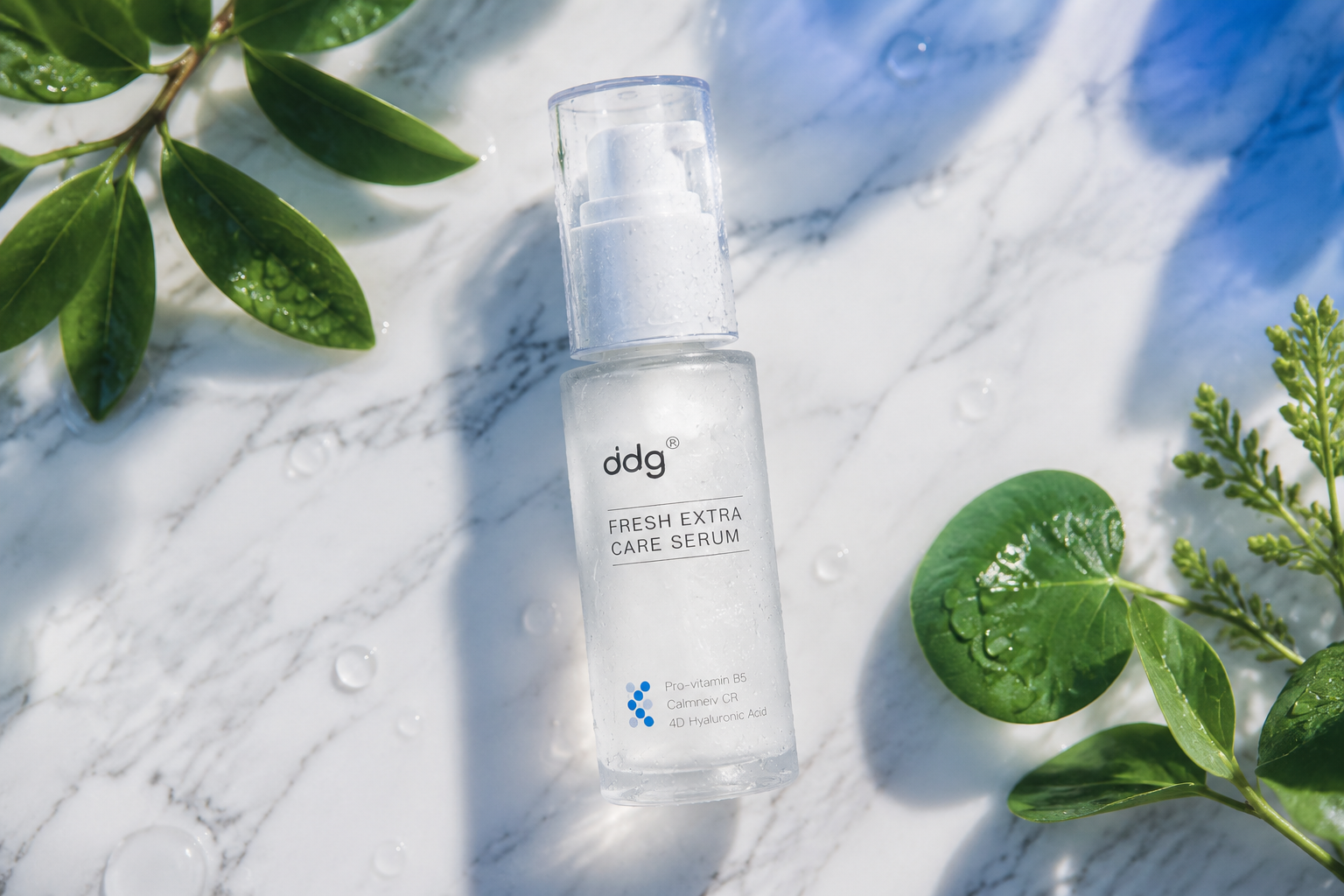
28-Day Glass Skin Renewal Set
A ceramide + peptide + hyaluronic acid protocol that gives your barrier the support it needs while brightening ingredients do the heavy lifting on dark spots
- Toner + Serum + Lotion system — hydrates, repairs, and locks in moisture so your barrier stays resilient while using actives
- Niacinamide-rich formula — supports melanosome-transfer blocking and barrier strengthening simultaneously
- 28-day protocol — designed to restore barrier function just as brightening actives begin showing visible results
5 AHAs: Glycolic Acid & Lactic Acid
Surface ExfoliationHow It Works: Alpha-hydroxy acids dissolve the bonds between dead skin cells, accelerating the shedding of the outermost epidermal layer where PIH pigment sits. Glycolic acid (smallest molecule, deepest penetration) is the most studied AHA for PIH. Lactic acid (larger molecule, more gradual) is gentler and adds humectant benefits — it hydrates while exfoliating. For PIH specifically, AHAs work best as a complementary third step in a routine that already includes a tyrosinase inhibitor and a melanosome-transfer blocker.
Evidence: A 10% glycolic acid lotion applied daily reduced PIH severity scores by 35% over 12 weeks in one study. The key limitation: AHAs can irritate and trigger more pigment if overused, especially in darker skin tones where post-inflammatory response is more intense.
Best For: Textured PIH (marks that feel slightly rough), combination with tyrosinase inhibitors, 1-2x/week use only

6 Alpha Arbutin
Gentle Tyrosinase InhibitorHow It Works: Alpha arbutin is a naturally derived molecule (from bearberry plant) that slowly releases hydroquinone as it interacts with skin enzymes. This slow-release mechanism provides tyrosinase inhibition without the cytotoxicity and ochronosis risk associated with direct hydroquinone use. It's about 50-60% as effective as prescription hydroquinone but with a dramatically better safety profile — zero reported cases of ochronosis (paradoxical darkening) from alpha arbutin alone.
Evidence: Studies at 2% concentration show measurable melanin reduction over 12 weeks. Results are slower than azelaic acid or vitamin C but alpha arbutin is exceptionally well-tolerated, making it a good option for skin that can't handle stronger actives.
Best For: Very sensitive skin, darker skin tones (lower irritation risk), long-term maintenance after stronger treatments
7 Tranexamic Acid
Inflammation-Pigment Cycle BreakerHow It Works: Tranexamic acid interrupts the UV-inflammation-pigment cycle at a unique point: it blocks the interaction between plasmin and keratinocytes, preventing the release of inflammatory mediators (prostaglandins, arachidonic acid) that activate melanocytes. This makes it particularly effective for PIH triggered by ongoing low-grade inflammation — the kind where marks keep appearing even without visible pimples. It also directly reduces melanin synthesis.
Evidence: Topical tranexamic acid at 2-5% reduced melanin index by 27% over 12 weeks in one Asian study. It's gaining traction as a gentler alternative to hydroquinone, especially in Asian skincare markets where PIH prevalence is high.
Best For: Recurrent PIH from ongoing inflammation, combining with niacinamide, sensitive-reactive skin
Your Morning Routine for Fading Dark Spots
The AM routine focuses on protection + prevention. Daytime brightening ingredients work by defending against new UV-triggered pigment while maintaining the progress made overnight. This is not the time for aggressive exfoliation — that's for PM.
- Gentle Cleanser (60 seconds): Use a cream or balm cleanser that removes overnight residue without stripping your barrier. If your cleanser makes your skin feel tight or "squeaky clean," it's activating the inflammatory pathways that trigger more pigment. Avoid all foaming cleansers with sulfates — they're the enemy of fading dark spots.
- Vitamin C Serum (Wait 3 minutes): Apply 3-5 drops of L-ascorbic acid serum (10-20%) to clean, dry skin. Vitamin C in the morning serves double duty: it brightens existing spots and neutralizes the free radicals UV creates, boosting your sunscreen's protection by an estimated 4x. Don't layer it with niacinamide if you experience flushing — the pH conflict is mostly a myth, but some people's skin reacts. If unsure, alternate: vitamin C mornings, niacinamide evenings.
- Niacinamide Serum (Optional, Wait 2 minutes): If your skin tolerates layering with vitamin C, apply 2-3 drops of 5% niacinamide over your vitamin C serum. The combination provides both melanin-inhibition (vitamin C) and melanosome-transfer blocking (niacinamide) — two complementary mechanisms. Apply vitamin C first (lower pH, thinner consistency), then niacinamide.
- Lightweight Moisturizer with Barrier Support: A healthy barrier is less reactive to inflammation, and less inflammation means less pigment. Look for ceramides, peptides, and squalane. This is where a barrier-focused product like a toner-serum-moisturizer system shines — it maintains hydration without heaviness that could trigger daytime congestion.
- Sunscreen SPF 50+ (Reapply every 2 hours if outdoors): This is not optional. UV exposure activates melanocytes within minutes and can undo a week's worth of brightening progress in a single unprotected afternoon. Use a mineral sunscreen with zinc oxide or titanium dioxide if your skin is sensitive; these also provide a slight visible light reflection that helps with PIE (red marks). Tinted sunscreens containing iron oxides provide additional protection against visible light, which also triggers pigmentation in darker skin tones. Reapplication is non-negotiable — set a phone alarm.
Your Nighttime Routine for Fading Dark Spots
The PM routine is where the real fading happens. Overnight, your skin's repair mechanisms are fully active, and there's no UV to undo your progress. This is where you deploy your strongest brightening actives.
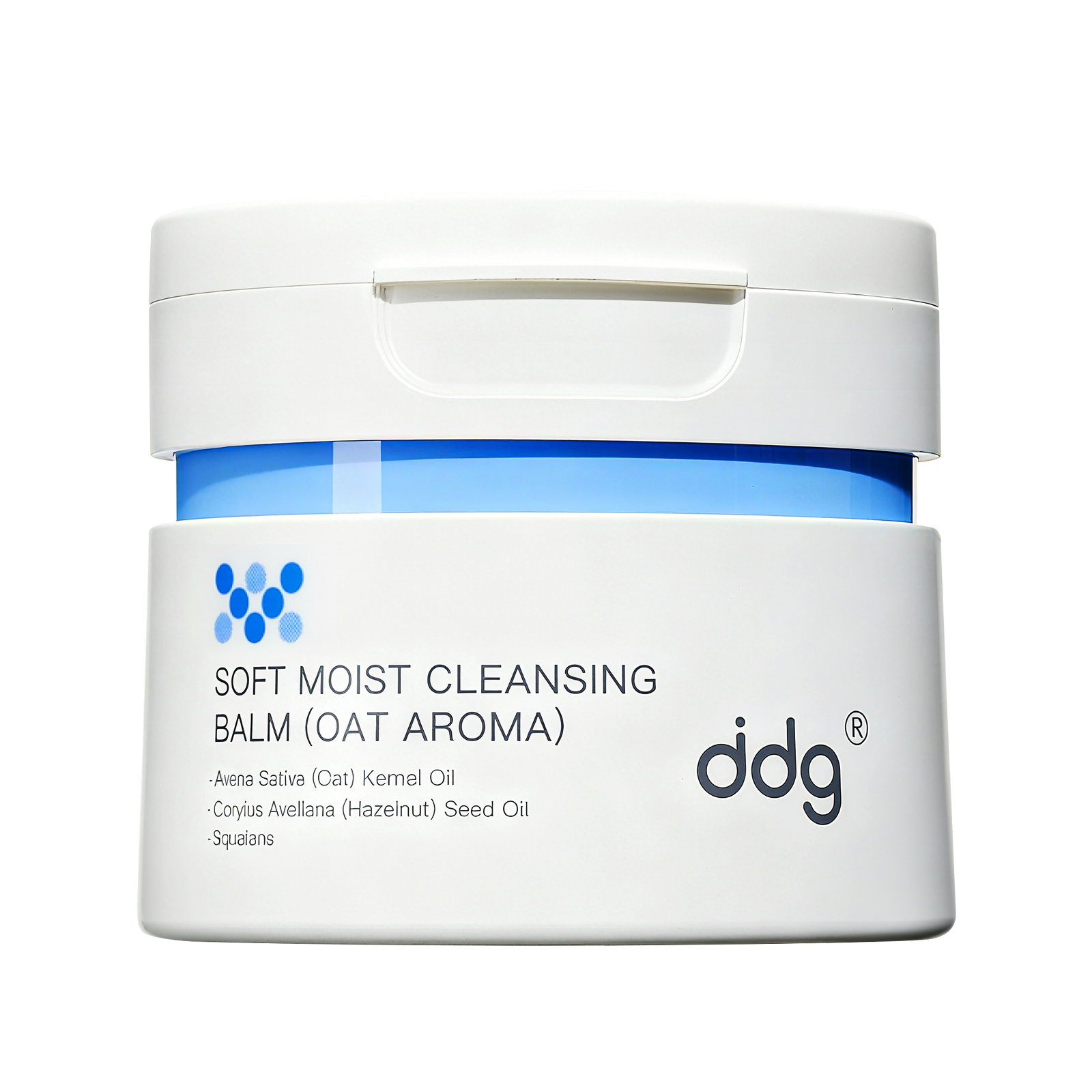
ddg Makeup Remover Cleansing Balm
A barrier-first first-cleanse that removes SPF, makeup, and pollution — so nothing stands between your brightening actives and your skin
- Oat Kernel Oil + Squalane — dissolves the day without triggering the inflammation that causes new pigmentation
- 60-second massage — gentle enough for twice-daily use, even on active breakouts
- Magnetic spatula — zero contamination, zero waste
- Double Cleanse (60 + 30 seconds): First, an oil-based cleanser or cleansing balm to dissolve SPF and the day's pollution — these oil-soluble residues can't be fully removed by water-based cleansers alone and will block your actives from penetrating. Second, a cream cleanser to remove remaining residue. The double-cleanse is especially important when treating PIH because the actives you're investing in need a completely clean surface to work.
- Brightening Active (Wait 10 minutes — the most important wait in skincare): Apply azelaic acid (15-20%), a retinoid, or an AHA — choose ONE. This is the step that does the fading. Azelaic acid is the gentlest and safest for daily use. Retinoids are more aggressive but produce faster results in stubborn PIH; start at 2 nights/week and work up. AHAs are best used 1-2 nights/week — never on the same night as retinoids. Apply to completely dry skin (damp skin increases penetration and irritation). Wait a full 10 minutes before the next step — this is the difference between "this isn't working" after 8 weeks and visible fading.
- Hydrating Toner (Press in with palms): After the 10-minute wait, your skin may feel dry or tight. Press in a hydrating toner containing hyaluronic acid or panthenol to replenish moisture. This step ensures your barrier stays intact even as the actives work.
- Niacinamide Serum: If you didn't use niacinamide in the morning, apply it here. Niacinamide + azelaic acid is one of the most synergistic PIH pairings — niacinamide blocks melanosome transfer while azelaic acid inhibits tyrosinase, hitting two different steps in the melanogenesis cascade simultaneously.
- Rich Moisturizer with Ceramides + Peptides: A rich nighttime moisturizer does two critical things for PIH treatment: it repairs any barrier disruption from your actives (a compromised barrier triggers inflammation → more pigment), and it provides occlusive sealing so your actives work throughout the night instead of evaporating. Look for ceramides (barrier lipids), peptides (repair signaling), and squalane (emollient seal).
- Optional: Spot Treatment: For particularly stubborn individual marks, apply a pea-sized amount of azelaic acid or a targeted dark-spot corrector directly to the mark with a clean fingertip. Press — don't rub — to concentrate the active.

The Ingredient Synergy Matrix: What to Layer Together
The difference between a random collection of brightening products and a strategic routine is understanding which ingredients amplify each other — and which cancel each other out or cause irritation. Below is your quick-reference compatibility guide.
| Pairing | Compatibility | Best Timing | Why It Works (or Doesn't) |
|---|---|---|---|
| Azelaic Acid + Niacinamide | ✅ Excellent | Same routine (PM) | Complementary mechanisms — tyrosinase inhibition + melanosome transfer blocking. Both are well-tolerated and non-irritating. Apply azelaic acid first to clean skin, then niacinamide. |
| Vitamin C + SPF | ✅ Excellent | Same routine (AM) | Vitamin C boosts SPF photoprotection by 4x through antioxidant synergy. The single most impactful AM pairing for PIH prevention. |
| Azelaic Acid + Retinoid | ⚠️ Use with Caution | Alternate nights | Both are effective but can irritate when combined. Start with azelaic acid nightly, then introduce retinoid 1-2 nights/week on alternating nights. Build tolerance over 4-6 weeks before considering same-night use. |
| Vitamin C + Niacinamide | ✅ Compatible (mostly) | AM together or AM/PM split | The pH conflict myth has been debunked. If your skin tolerates the pairing, layer vitamin C first, then niacinamide. If you experience flushing, split them — vitamin C AM, niacinamide PM. |
| Retinoid + AHA | ❌ Avoid Same Night | Separate nights or alternate weeks | Both accelerate cell turnover. Combining them causes barrier stripping, inflammation, and — ironically — more PIH. Use AHAs on non-retinoid nights, maximum 2x/week. |
| Azelaic Acid + Vitamin C | ✅ Compatible | Split: Vitamin C AM, Azelaic Acid PM | Different mechanisms that don't conflict, but separating by time of day maximizes efficacy — vitamin C as an AM antioxidant, azelaic acid for PM repair. |
| Niacinamide + Retinoid | ✅ Excellent | Same routine (PM) | Niacinamide reduces retinoid irritation while adding melanosome-transfer blocking. Apply niacinamide first as a buffer, wait 5 minutes, then retinoid. This "sandwich technique" improves retinoid tolerance by approximately 40%. |
| Alpha Arbutin + Everything | ✅ Universally Compatible | Any routine | The most forgiving brightening ingredient — works well with all other actives and at any time of day. |
4 Skin Type Adjustments for Fading Dark Spots
| Skin Type | Unique Challenge | Adjustment |
|---|---|---|
| Darker Skin (Fitzpatrick IV-VI) | Higher melanocyte activity = deeper, more persistent PIH. Also higher risk of PIH from treatment irritation (post-inflammatory hyperpigmentation from the treatment itself). | Prioritize gentleness over speed. Start with azelaic acid + niacinamide (lowest irritation risk). Avoid aggressive AHAs and high-percentage glycolic peels — they can trigger paradoxical darkening. Mandelic acid is a safer AHA option (larger molecule, slower penetration). Tranexamic acid is also excellent. Never skip SPF — visible light triggers pigment in melanin-rich skin, so a tinted mineral SPF with iron oxides is ideal. |
| Fair Skin (Fitzpatrick I-II) | Marks are more likely to be PIE (red/purple) rather than PIH (brown). Using brown-spot treatments on red marks = wasted time and money. | Diagnose with the glass test first. If PIE: focus on niacinamide (strengthens capillary walls), azelaic acid (anti-inflammatory), and time. PIE fades slower than PIH — expect 3-6 months. If the marks persist beyond 6 months, consult a derm for vascular laser (V-beam) — it's the gold standard for PIE. If PIH: same protocol as darker skin tones but with lower irritation risk overall. |
| Oily/Acne-Prone | Active breakouts keep creating new PIH. Treating old spots while new ones form = no net progress. | Treat active acne and PIH simultaneously. Azelaic acid is the ideal ingredient — it treats acne (antibacterial + comedolytic) while fading marks. Niacinamide regulates sebum production while blocking melanosome transfer. Use a lightweight gel-cream moisturizer (not rich cream) to avoid congestion. The double-cleanse is critical — excess oil blocks active ingredients from penetrating. |
| Sensitive/Barrier-Compromised | Every active ingredient stings or causes redness. The barrier inflammation from irritation triggers even more pigment. | Repair barrier first (2-3 weeks minimum) before introducing any brightening actives. Use only niacinamide (5%) and alpha arbutin (2%) during the repair phase — both are well-tolerated and non-irritating. Patch test everything for 72 hours behind the ear before applying to dark spots. When the barrier is healed (skin no longer stings with plain moisturizer), introduce azelaic acid every third night, working up to nightly over 4 weeks. |
Timeline: What to Expect Week by Week
Realistic expectations prevent the #1 reason people quit their PIH routine: impatience. Here's what visible progress actually looks like:
| Timeframe | What's Happening Beneath the Surface | What You'll See |
|---|---|---|
| Week 1-2 | Active ingredients begin inhibiting tyrosinase. Melanin production slows. No existing pigment has been shed yet — melanin that's already deposited takes weeks to be pushed to the surface. | No visible change in dark spots. You might notice your skin feels smoother or looks more even-toned overall. This is the dropout zone — people quit here because "it's not working." Don't. The changes are happening at the cellular level. |
| Week 3-4 | The first pigment-laden cells begin reaching the surface and shedding. New melanin production is significantly reduced. Barrier begins normalizing. | Very subtle lightening at spot edges. Marks may appear slightly smaller as the periphery fades first. The center of dark spots will still look the same — this is normal. Progress photos are essential; the changes are too gradual to notice day-to-day. |
| Week 5-8 | Multiple cell-turnover cycles have occurred. Melanin deposits are being cleared at an accelerating rate. Active ingredients are at full efficacy. | Definite visible fading. Newer, superficial spots may be 50-70% lighter. Older or deeper spots show 20-40% improvement. Marks shift from dark brown to light brown or pinkish-brown. This is the milestone where most people feel the routine is "finally working." |
| Week 9-12 | Sustained tyrosinase inhibition prevents new pigment while continued turnover clears old deposits. Barrier is fully adapted to the active ingredients. | Most superficial PIH spots are 70-90% faded. Deeper marks show continued improvement. Overall skin tone is noticeably more even. If you're not seeing this level of progress, revisit your diagnosis (is it PIE?), your SPF compliance, or the strength/frequency of your active. |
| 3-6 Months+ | Dermal pigment (if present) continues slow clearance. Epidermal pigment is largely resolved. Maintenance mode begins. | Near-complete clearance of epidermal PIH. Any remaining marks are likely dermal (deeper) — if greyish-blue marks persist, consult a dermatologist for professional options. Transition to a maintenance routine: active 3-4 nights/week instead of nightly. |
6 Mistakes That Make Dark Spots Worse
- Picking and Squeezing Active Breakouts — This is the single biggest cause of PIH. Every time you squeeze a pimple, you drive inflammation deeper into the dermis, where it triggers a larger, more intense melanin response. The mark from a squeezed pimple lasts 3-5x longer than the mark from a pimple that healed on its own. Apply a pimple patch (hydrocolloid) — it physically prevents picking while absorbing exudate.
- Skipping Sunscreen Because "It's Cloudy" — Up to 80% of UV rays penetrate cloud cover. UVA rays (the ones that trigger pigmentation) pass through window glass. If there's enough light to see your hand in front of your face, there's enough UV to activate melanocytes. The melanin-producing cells in PIH spots are hyper-reactive — they respond to UV doses that wouldn't affect normal skin.
- Switching Products Every 2-3 Weeks — Brightening ingredients need 8-12 weeks to show visible results because you're not just suppressing melanin production; you're waiting for existing melanin deposits to be shed through natural cell turnover. Switching to a new product at week 3 resets this clock. Pick a routine and commit to 12 weeks before judging results.
- Using Lemon Juice or DIY "Natural" Treatments — Lemon juice on skin is phototoxic — it contains psoralens that, when activated by UV light, cause a chemical burn called phytophotodermatitis. This produces dark, irregular hyperpigmentation that's significantly harder to treat than the original acne marks. There is zero clinical evidence for DIY treatments fading PIH; there is abundant evidence of them making it worse. Use formulated products with stable, studied ingredients.
- Over-Exfoliating to "Speed Up" Results — Using AHAs daily or combining multiple exfoliants damages the barrier, triggering inflammation that creates new pigment. The irony: you're causing new dark spots while trying to fade old ones. AHAs should be used 1-2 nights/week maximum when treating PIH. If your skin stings when you apply moisturizer, you're over-exfoliating. Stop all actives for 5-7 days, use only barrier-repair products (ceramides, peptides, squalane), then resume at a lower frequency.
- Not Moisturizing Because "My Skin Is Oily" — A dehydrated barrier overproduces oil to compensate, and barrier inflammation triggers melanin production. The result: more breakouts AND more dark spots. A lightweight, ceramide-rich moisturizer reduces baseline inflammation, stabilizes melanocyte activity, and improves the absorption and tolerance of your brightening actives. Skipping moisturizer makes every other product in your routine less effective.
Frequently Asked Questions
How long does it take to fade dark spots from acne?
Most PIH spots take 3-6 months to fade significantly with consistent treatment. Superficial marks may lighten in 6-8 weeks. The timeline depends on the depth of the original inflammation, your skin tone, and treatment consistency. If you see zero change after 12 weeks, the marks may be PIE (red/purple) rather than PIH (brown) and need different treatment.
What is the difference between PIH and PIE?
PIH is brown pigment from excess melanin; PIE is red/purple marks from damaged capillaries. The glass test distinguishes them: press a clear glass against the mark. If the color fades with pressure, it's PIE. If the color stays the same, it's PIH. PIH responds to tyrosinase inhibitors (azelaic acid, vitamin C); PIE responds to vascular-targeting ingredients (niacinamide, azelaic acid) and time.
What are the best ingredients to fade dark spots from acne?
The strongest evidence supports: (1) azelaic acid (tyrosinase inhibitor + treats active acne), (2) vitamin C (antioxidant + tyrosinase inhibitor), (3) niacinamide (blocks melanosome transfer), (4) retinoids (accelerates cell turnover), (5) AHAs (surface exfoliation), (6) alpha arbutin (gentle tyrosinase inhibitor), and (7) tranexamic acid (breaks the inflammation-pigment cycle). Combining 2-3 ingredients from different mechanism categories produces faster results than any single ingredient.
Can I use azelaic acid and vitamin C together for dark spots?
Yes — they work through different mechanisms and are one of the most effective dark-spot pairings. Best practice: vitamin C in the morning (where its antioxidant properties boost SPF protection) and azelaic acid at night. If layering in the same routine, apply vitamin C first, wait 5 minutes, then azelaic acid. Introduce one at a time to monitor tolerance.
Why aren't my dark spots fading even with treatment?
Six common causes: (1) you may be treating PIE with PIH products, (2) you're not wearing daily SPF 30+, (3) you're switching products too frequently (need 8-12 weeks), (4) active acne keeps creating new spots, (5) your barrier is compromised and triggering more pigment, or (6) the marks are dermal (deeper, greyish) and need professional treatment.
What should I avoid when treating dark spots from acne?
Avoid: picking or squeezing (the #1 cause of PIH), harsh physical scrubs (micro-tears trigger pigment), skipping SPF, using too many actives at once (causes barrier damage), and lemon juice/DIY treatments (phototoxic — makes spots worse). One active per night. Daily SPF. No exceptions.
Does moisturizer help fade dark spots?
Absolutely. A healthy barrier reduces baseline inflammation, which directly reduces melanocyte activity. Moisturizers with ceramides, peptides, and niacinamide support barrier repair while niacinamide simultaneously blocks melanosome transfer. A good moisturizer makes your brightening actives both more effective and more tolerable.
When should I see a dermatologist for dark spots?
Consult a dermatologist if: (1) marks show zero improvement after 12 weeks of consistent treatment with SPF, (2) marks appear greyish-blue (dermal PIH requiring prescription treatment), (3) you have both active cystic acne and PIH (may need prescription-strength azelaic acid or adapalene), or (4) you suspect the marks might be something other than PIH/PIE — conditions like melasma, solar lentigo, or lichen planus pigmentosus can mimic PIH and require different treatment approaches.
Your Dark-Spot-Fading Quick-Start Plan
If you've read this far, here's your 10-second summary to take action today: Diagnose first (glass test — brown or red?). Pick 2-3 ingredients from different mechanism categories (start with azelaic acid + niacinamide if unsure). Consistency over intensity — one active per PM routine, daily SPF, and 12 weeks minimum before judging results. Barrier first — a compromised barrier produces more pigment than any active can fade. The skin that's cared for consistently is the skin that heals completely.
At ddg Beauty, our 28-Day Glass Skin Renewal Set is formulated to give your barrier the ceramide, peptide, and niacinamide support it needs while you treat dark spots — because brightening doesn't work on a broken barrier. And our Cleansing Balm ensures that the first step of every routine — cleansing — never triggers the inflammation that creates new marks. Because fading dark spots isn't about buying the strongest acid. It's about understanding the science, respecting your barrier, and staying consistent. The skin you want is already there — it just needs the right conditions to surface.
Explore our full skincare collection for barrier-supporting, brightening-friendly products designed to help your skin heal evenly and completely.
Related Articles
- Best Ingredients for Hyperpigmentation: 5 Derm-Approved Picks — Dive deeper into the ingredient science with a ranked breakdown of the most clinically-proven brightening actives, including synergy tips and what to avoid.
- How to Get Rid of Post Acne Marks Fast: A Complete Guide — A complementary guide covering the full spectrum of post-acne marks — from PIH and PIE diagnosis to AM/PM routines and lifestyle factors that speed or slow fading.
- How to Layer Skincare Ingredients Correctly: The Ultimate Guide — Master the order and timing of your brightening routine — which actives go first, how long to wait between layers, and the ingredient combinations that amplify (or cancel) each other.