Azelaic acid is one of the most dermatologist-recommended active ingredients for acne, rosacea, and hyperpigmentation. But if you've just started using it, you might be wondering: Why is my face stinging? Is this normal? Should I stop? This guide walks you through every side effect you may experience, what is a normal part of the adjustment period, and when it is time to pause and reassess.
- How Azelaic Acid Works on Your Skin
- Common Side Effects (And Why They Happen)
- Normal Adjustment vs. Warning Signs
- The Week-by-Week Tolerance Timeline
- How to Minimize Side Effects
- Can You Use Azelaic Acid Every Day?
- When to Stop and See a Doctor
- Frequently Asked Questions
How Azelaic Acid Works on Your Skin

Azelaic acid is a dicarboxylic acid naturally found in grains like wheat, barley, and rye. When applied topically at concentrations of 10% (over-the-counter) or 15-20% (prescription), it performs four key functions:
- Normalizes keratinization — prevents dead skin cells from clogging pores
- Reduces Cutibacterium acnes — the bacteria linked to inflammatory acne
- Inhibits tyrosinase — the enzyme responsible for excess melanin production
- Calms inflammation — reduces redness by neutralizing free radicals
Because it affects multiple skin processes simultaneously, your skin needs time to adapt. The side effects you feel are often signs that the acid is actively working—not necessarily that something is wrong.
Key Insight: Azelaic acid is generally considered one of the gentler actives compared to retinoids or high-percentage AHAs, but "gentler" does not mean "zero adjustment period." Most users experience some degree of stinging, redness, or dryness in the first 2-4 weeks.
Common Side Effects (And Why They Happen)

Based on clinical studies and dermatologist reports, here are the most commonly reported side effects when starting azelaic acid:
| Side Effect | Frequency | Typical Onset | Why It Happens |
|---|---|---|---|
| Burning / Stinging | Very Common (15-30%) | First 1-2 weeks | Acid lowers skin pH temporarily; nerve endings react |
| Redness (Erythema) | Very Common (10-25%) | First 1-3 weeks | Increased blood flow to the surface as skin adjusts |
| Dryness / Peeling | Common (10-20%) | Week 2-4 | Accelerated cell turnover sheds dead skin faster |
| Itching (Pruritus) | Common (5-15%) | First 1-2 weeks | Mild histamine response to acid contact |
| Increased Breakouts | Common (10-20%) | Week 1-3 | Purging: trapped sebum and bacteria rise to surface |
| Skin Tightness | Less Common (5-10%) | Week 1-2 | Barrier lipids temporarily disrupted |
Is Stinging a Bad Sign?
Not necessarily. A brief stinging sensation that fades within 10-20 minutes is one of the most reported—and most normal—experiences when starting azelaic acid. The acid has a pH of approximately 4.0-4.5, which is more acidic than your skin's natural pH of 5.5. This temporary pH shift activates sensory nerve endings, creating a tingling or warm feeling.
However, if the stinging is intense, lasts for hours, or is accompanied by visible welts or hives, this crosses into irritation territory and you should discontinue use.
Normal Adjustment vs. Warning Signs
Knowing the difference between a normal side effect and an adverse reaction can save you from quitting a product too early—or using something that is genuinely harming your skin.
| Normal Adjustment | Warning Sign (Stop Using) |
|---|---|
| Mild stinging for 10-20 min | Severe burning lasting hours |
| Slight redness that fades within 1 hour | Intense redness with swelling |
| Small whiteheads in usual breakout zones | Painful cysts in new areas |
| Light dryness or flaking | Cracked, oozing, or broken skin |
| Mild itch that resolves quickly | Persistent itch with rash or hives |
| Skin feels slightly tight after application | Burning sensation with eye swelling |
The Golden Rule: If a side effect is uncomfortable but improving week over week, it is likely normal adjustment. If it is worsening, spreading to new areas, or interfering with daily life, stop and consult a dermatologist.
The Week-by-Week Tolerance Timeline
Most people's skin follows a predictable adaptation curve. Here is what to realistically expect:
Week 1: The Honeymoon (or Shock) Phase
Your skin is encountering azelaic acid for the first time. You may feel immediate stinging upon application, followed by mild redness that lingers for 30-60 minutes. Some users notice nothing at all during the first few applications—this is also normal and usually means your barrier is in good condition.
Week 2-3: The Adjustment Peak
This is when most side effects intensify. Dryness, peeling, and small breakouts may appear as your skin cell turnover accelerates. This phase is often misinterpreted as "the product isn't working," but it is actually a sign that the acid is actively clearing congestion from deeper layers.
Week 4-6: The Turning Point
By week 4, stinging and redness typically decrease significantly. Your skin has begun to acclimate to the pH shift. If you are using azelaic acid for acne, you may start seeing fewer new breakouts. If you are using it for hyperpigmentation, dark spots may begin to look slightly lighter at the edges.
Week 8+: The Maintenance Phase
At this stage, side effects should be minimal or gone entirely. Your skin has built tolerance, and you can evaluate whether the product is delivering the results you want. Most dermatologists recommend a minimum 8-12 week trial before judging efficacy.
| Week | Common Experience | What to Do |
|---|---|---|
| 1 | Mild stinging, slight redness | Use every other day; moisturize after |
| 2-3 | Dryness, possible purging | Do not increase frequency; add hydrating serum |
| 4-6 | Side effects decrease; early results visible | Can increase to daily use if tolerated |
| 8-12 | Minimal irritation; clearer, more even skin | Continue daily use; assess results |
How to Minimize Side Effects
How you introduce and support azelaic acid in your routine matters just as much as the product itself. Here are five evidence-backed strategies to reduce irritation:
1. Start Slow (Frequency Matters More Than Amount)
Begin with every-other-day application for the first 2 weeks. Only increase to daily use once your skin shows no persistent redness or dryness the morning after application. More is not better when it comes to actives—consistent, tolerated use outperforms aggressive application.
2. Use a Gentle, pH-Balanced Cleanser
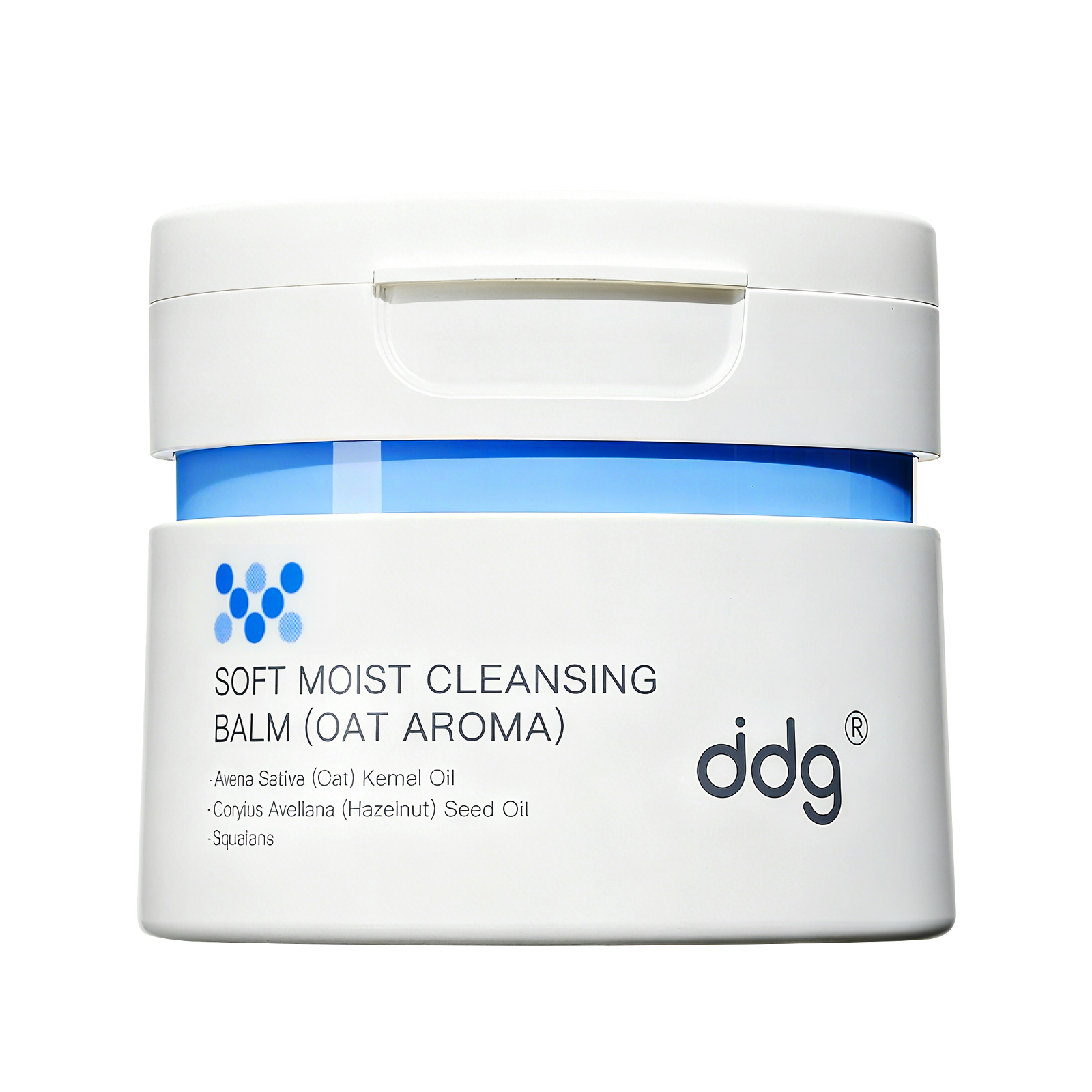
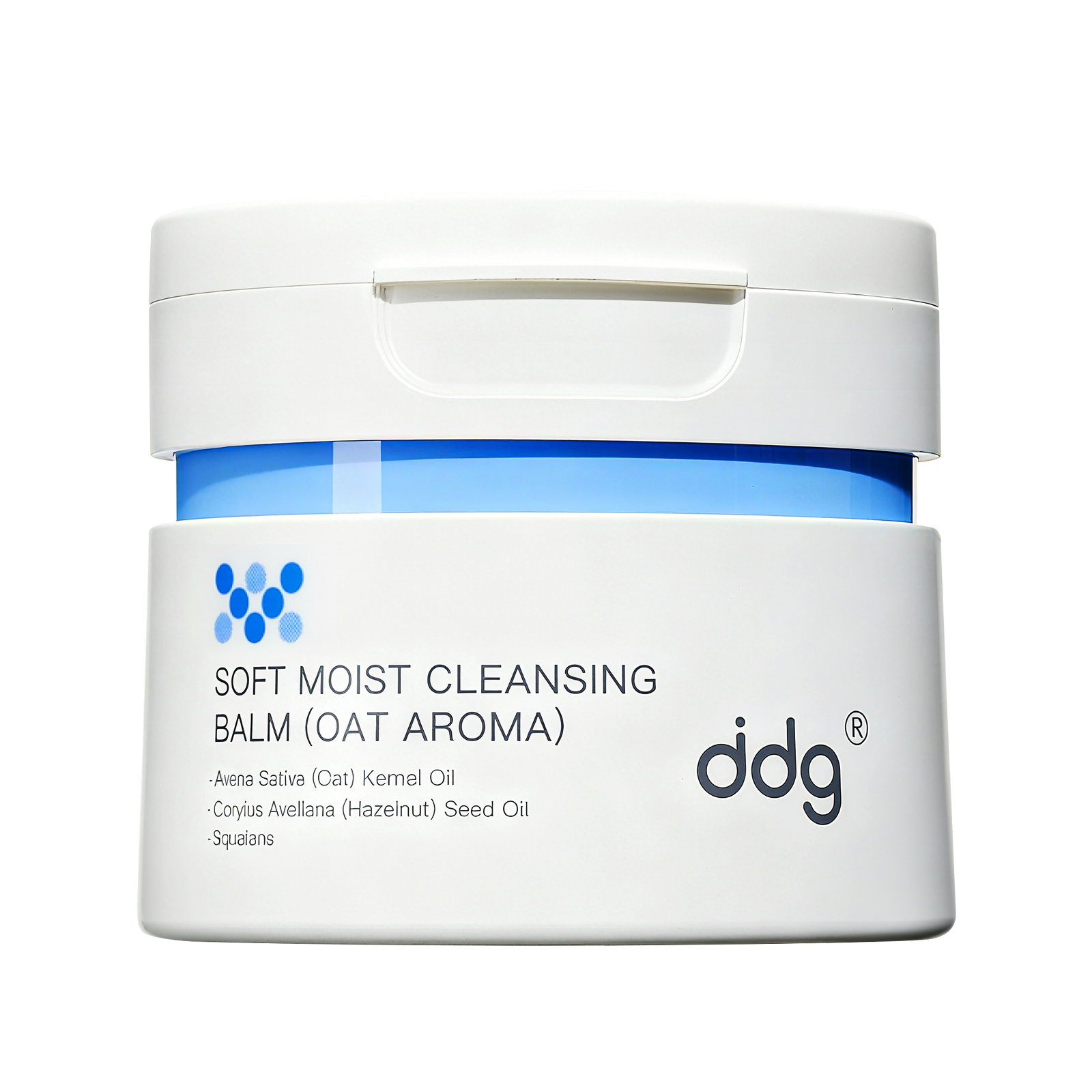
Harsh cleansers strip your skin barrier and make azelaic acid side effects worse. Choose a non-foaming, fragrance-free cleanser with a pH close to 5.5. Oil-based or balm cleansers are excellent for removing sunscreen and makeup without compromising your barrier.
ddg Oat Milk Cleansing Balm
- Oat kernel oil + squalane gently dissolve makeup and SPF
- pH-friendly formula that respects your skin barrier
- Zero fragrance, zero sulfates—ideal for pre-active cleansing
Use code WIN10 for 10% off your first order.
3. The "Sandwich" Method
If you experience significant dryness, try the moisturizer sandwich: apply a thin layer of moisturizer, wait 5 minutes, apply azelaic acid, wait 10 minutes, then apply a second layer of moisturizer. This buffers the acid without fully blocking its penetration.
4. Avoid Layering With Other Strong Actives Early On
During your first 4 weeks, do not combine azelaic acid with retinoids, high-percentage AHAs/BHAs, or vitamin C in the same routine. These combinations can overwhelm your barrier and amplify irritation. Once your skin is fully adjusted (week 6+), you can carefully reintroduce other actives on alternate days.
5. Prioritize Morning Sun Protection
Azelaic acid does not make your skin more photosensitive in the same way retinoids do, but inflammation and peeling can leave fresh skin more vulnerable to UV damage. A broad-spectrum SPF 30+ every morning is non-negotiable for protecting your results and preventing further irritation.
Can You Use Azelaic Acid Every Day?
Yes—but not immediately. Daily use is the goal for most people because azelaic acid works best with consistent application. However, jumping to daily use from day one is one of the most common causes of unnecessary irritation.
Here is a dermatologist-backed ramp-up schedule:
- Week 1-2: Every other evening
- Week 3-4: Every evening (if no persistent redness)
- Week 5+: Evaluate moving to twice daily (AM and PM) if your skin tolerates it well and your dermatologist agrees
People with rosacea or extremely sensitive skin may find that every-other-day use indefinitely is their sweet spot—and that is perfectly fine. Results from azelaic acid are driven by consistency, not frequency.
When to Stop and See a Doctor

While most side effects are manageable at home, certain reactions require professional evaluation. Seek medical advice if you experience:
- Severe swelling of the face, lips, or eyes
- Difficulty breathing or throat tightness
- Blistering, crusting, or oozing skin
- A widespread rash that spreads beyond the application area
- Intense burning or pain that does not subside within 2 hours
- Signs of infection (pus, warmth, fever)
These symptoms may indicate an allergic reaction (contact dermatitis) or a secondary infection, neither of which should be managed with over-the-counter products alone.
Bottom Line: Azelaic acid is one of the safest and most effective topical actives available without a prescription. Most side effects are temporary, predictable, and manageable with the right technique. Give your skin 8 weeks of consistent, buffered use before deciding whether it deserves a permanent place in your routine.
Frequently Asked Questions
Yes, a temporary worsening is common. Azelaic acid speeds up skin cell turnover, which can push underlying congestion to the surface during weeks 1-3. This is different from a true allergic reaction. If breakouts are accompanied by severe swelling, hives, or blistering, stop immediately and consult a dermatologist.
Most mild side effects—stinging, redness, and dryness—subside within 2 to 4 weeks as your skin builds tolerance. Persistent irritation beyond 6 weeks suggests the concentration may be too high or your barrier is compromised and needs repair before continuing.
Absolutely. In fact, applying moisturizer after azelaic acid is one of the best ways to reduce dryness and irritation. Wait 5-10 minutes after applying azelaic acid before layering a gentle, fragrance-free moisturizer to allow proper absorption.
Mild itching or tingling for the first 10-15 minutes after application is normal, especially with prescription-strength 15-20% formulas. If itching persists for hours, becomes intense, or is paired with rash or swelling, discontinue use and seek medical advice.
Mild redness that fades within 30-60 minutes is a normal adjustment sign. However, if redness is intense, lasts for hours, or is accompanied by burning, peeling, or broken skin, pause usage for 3-5 days, focus on barrier repair, then reintroduce at a lower frequency.
Yes. Azelaic acid can trigger a purge phase because it accelerates cell turnover and unclogs pores. Purging typically appears as small whiteheads or pustules in areas where you already break out, lasts 2-6 weeks, and improves with consistent use.
Related Articles
Want to go deeper on azelaic acid? Explore these guides from the ddg Beauty Team:
- How to Use Azelaic Acid for Acne: A Complete Beginner's Guide — Step-by-step application routine with AM/PM timing and product pairing advice.
- What Does Azelaic Acid Do for Your Skin? — A science-backed deep dive into the four mechanisms that make this ingredient so effective.
- Azelaic Acid vs Niacinamide: Which One Is Better for Your Skin? — Head-to-head comparison to help you choose the right active for your goals.
At ddg, we believe effective skincare should never come at the cost of comfort. Every formula we develop is built on three principles: science-backed actives, barrier-respecting gentleness, and real results you can see. Whether you are navigating the first weeks of azelaic acid or building a full routine, we are here to help you do it with confidence.