What Does Azelaic Acid Do for Your Skin? A Complete Science-Backed Guide
If dermatologists were forced to pick one do-it-all ingredient for acne-prone, sensitive, and discoloration-prone skin, many would quietly name azelaic acid. Unlike trend-driven actives that dominate social media, azelaic acid has decades of clinical research behind it — yet most skincare users still don't fully understand what it actually does. This guide breaks down the exact mechanisms, proven benefits, realistic timelines, and how to use it correctly.

Table of Contents
What Is Azelaic Acid?
Azelaic acid is a naturally occurring dicarboxylic acid found in grains like wheat, rye, and barley. In skincare, it is synthesized in laboratories to ensure purity and stability. It is not an alpha-hydroxy acid (AHA) like glycolic acid, nor a beta-hydroxy acid (BHA) like salicylic acid. It belongs to its own category, which gives it a unique safety profile: it is generally recognized as safe for sensitive skin, rosacea-prone skin, and even during pregnancy — categories where retinoids and many acids are restricted.
Key Takeaway: Azelaic acid is pregnancy-safe, rosacea-safe, and suitable for sensitive skin types that cannot tolerate retinoids or strong acids. Its safety profile is one of the reasons dermatologists prescribe it so broadly.
The 4 Mechanisms: How Azelaic Acid Works
Azelaic acid is effective because it operates on multiple biological pathways simultaneously. Understanding these mechanisms helps you set realistic expectations and pair it with complementary ingredients.
1. Tyrosinase Inhibition (Fades Dark Spots)
Hyperpigmentation — whether from post-acne marks, melasma, or sun damage — occurs when melanocytes overproduce melanin. Azelaic acid selectively inhibits tyrosinase, the enzyme that drives melanin production. Importantly, it appears to target abnormal melanocytes (those in dark spots) more aggressively than normal ones, which means it fades discoloration without creating a "bleached" look across your entire face. Clinical trials comparing 20% azelaic acid to 4% hydroquinone found comparable lightening results with significantly fewer irritation side effects.
2. Antibacterial Action (Fights Acne)
Cutibacterium acnes (formerly Propionibacterium acnes) is the bacteria responsible for inflamed acne lesions. Azelaic acid reduces the proliferation of this bacteria on the skin surface and inside pores. Unlike antibiotics, bacteria do not develop resistance to azelaic acid, making it a sustainable long-term acne treatment rather than a temporary fix.
3. Normalization of Keratinization (Unclogs Pores)
Acne and textured skin often result from abnormal shedding of skin cells inside hair follicles. When dead skin cells clump together, they form microcomedones — the precursors to blackheads, whiteheads, and inflamed pimples. Azelaic acid normalizes this keratinization process, helping pores remain clear without the aggressive surface peeling caused by high-strength AHAs or BHAs.
4. Anti-Inflammatory & Antioxidant Effects (Calms Redness)
Azelaic acid scavenges free radicals and suppresses inflammatory cytokines. This is particularly valuable for rosacea sufferers, who experience chronic facial redness and inflammatory papules. Studies show that 15% azelaic acid gel reduces inflammatory lesions in rosacea patients by approximately 50% over 12 weeks while simultaneously improving redness scores.

Proven Benefits by Skin Concern
| Skin Concern | How Azelaic Acid Helps | Expected Timeline | Evidence Level |
|---|---|---|---|
| Active Acne | Kills acne bacteria, normalizes keratinization, reduces inflammation | 4–8 weeks for visible reduction | Strong (multiple RCTs) |
| Post-Acne Marks (PIH) | Inhibits tyrosinase in hyperactive melanocytes | 8–24 weeks for significant fading | Strong (vs hydroquinone trials) |
| Rosacea & Redness | Reduces inflammatory lesions and background erythema | 4–12 weeks | Strong (FDA-approved for rosacea) |
| Skin Texture / Roughness | Gentle normalization of cell turnover inside pores | 2–6 weeks for smoother texture | Moderate |
| Blackheads | Prevents microcomedone formation | 6–12 weeks | Moderate |
10% vs 20%: Which Concentration Do You Need?
Azelaic acid is available in over-the-counter formulas (typically 10%) and prescription-strength formulations (15% gel or 20% cream). The right choice depends on your skin concern and sensitivity level.
| Concentration | Best For | Typical Formulation | Availability |
|---|---|---|---|
| 10% | Maintenance, sensitive skin, beginners, first-time users | Serums, creams, suspended formulas | OTC / Consumer skincare |
| 15% | Rosacea, moderate acne, combination sensitivity | Gel (lighter texture, better for oily skin) | Prescription (FDA-approved for rosacea) |
| 20% | Stubborn PIH, melasma, severe acne, established tolerance | Cream (richer, often preferred for dry climates) | Prescription / Pharmacy formulations |
Start with 10% regardless of your concern. If you see partial results after 10–12 weeks and your skin tolerates it well, discuss upgrading to 15% or 20% with a dermatologist. Jumping straight to prescription strength often causes unnecessary irritation that sets your timeline back by weeks.
How to Use It for Maximum Results
Azelaic acid is versatile enough for morning or evening use, though many dermatologists recommend incorporating it into your morning routine because it is photostable and pairs well with antioxidants like vitamin C. Here is a dermatologist-recommended integration protocol:
Step-by-Step Morning Routine With Azelaic Acid
- Cleanse gently: Use a pH-balanced cleanser that removes overnight residue without stripping your barrier.
- Tone (optional): A niacinamide toner can prep the skin and begin sebum regulation before azelaic acid application.
- Apply azelaic acid: Use a pea-sized amount for the entire face, not just spots. It works as a preventive treatment, not just a spot fix.
- Wait 1–2 minutes: Allow full absorption before layering moisturizer.
- Moisturize: Choose a lightweight, non-comedogenic moisturizer.
- SPF 30+: Mandatory. Any active ingredient that increases cell turnover raises photosensitivity.
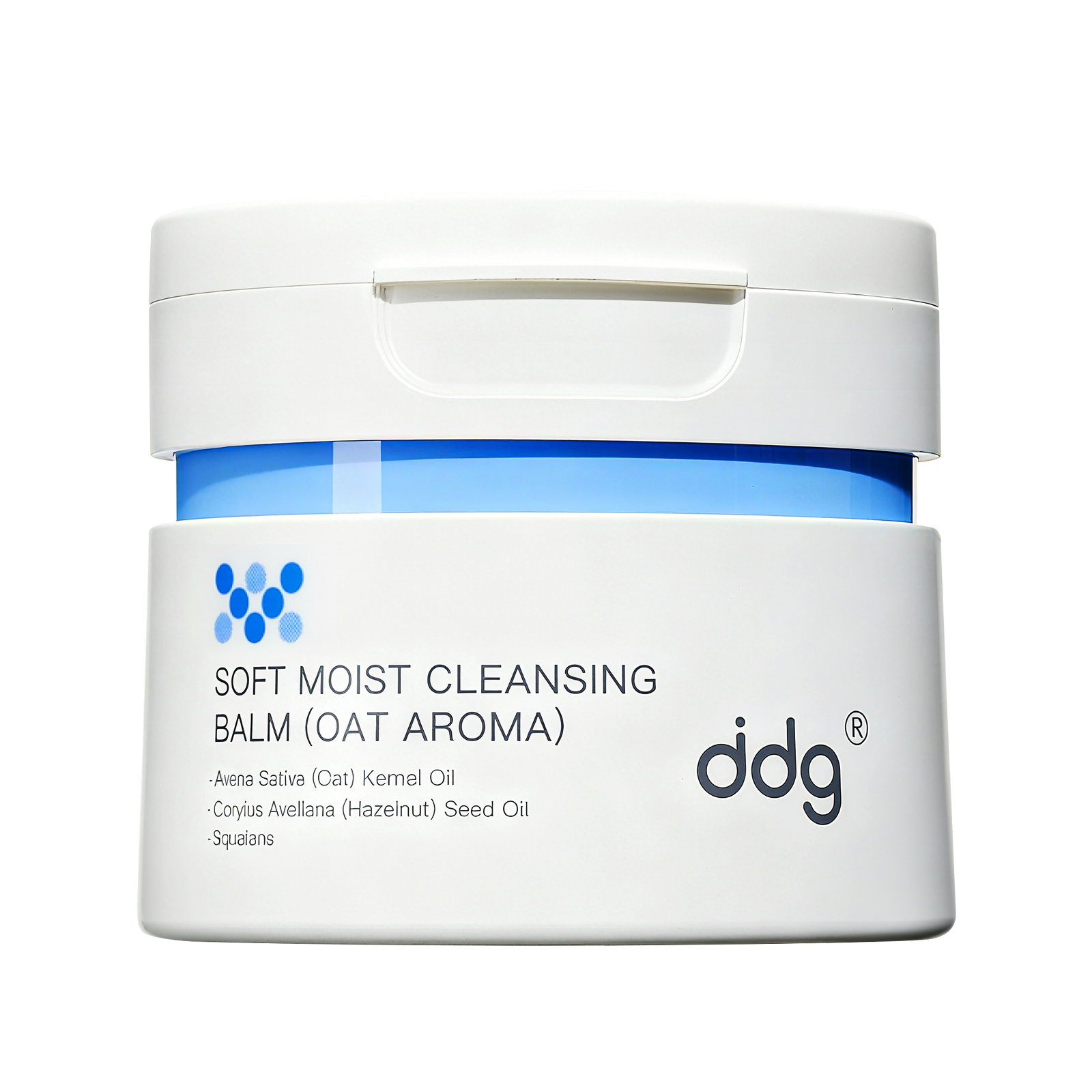
ddg Soft Moist Cleansing Balm (Oat Aroma)
- Gentle first-step cleanse that removes overnight sebum without disturbing pH
- Oat Kernel Oil supports barrier integrity — ideal before applying actives
- Non-comedogenic formula suitable for acne-prone and sensitive skin
- Magnetic spatula ensures every application stays hygienic
Shop Now
If you are building a complete routine around azelaic acid, our step-by-step beginner's guide provides exact product-order rules, pH compatibility charts, and week-by-week progression timelines.
Side Effects: Purging vs. Reaction
Azelaic acid is among the gentlest actives, but it is not entirely side-effect-free. Knowing the difference between a normal adjustment phase and a true adverse reaction saves you from abandoning a product prematurely.
Normal Adjustment (First 2–4 Weeks)
- Mild stinging or itching upon application (subsides within 10 minutes)
- Slight dryness or flaking around the nose and mouth
- Small whiteheads surfacing in areas where you typically break out (purging)
- Increased sensitivity to hot water or wind
Warning Signs — Stop and Consult a Dermatologist
- Severe burning that persists beyond 30 minutes
- Swelling, hives, or widespread redness extending beyond the application area
- Breakouts in areas where you do not typically get acne (likely a reaction, not purging)
- Peeling skin that cracks or bleeds
Key Takeaway: Mild, transient tingling is normal. Persistent pain or dermatitis-type symptoms are not. When in doubt, reduce frequency to every third day and patch test on your jawline for 48 hours before reintroducing.
Frequently Asked Questions
What does azelaic acid actually do to the skin?
Azelaic acid is a dicarboxylic acid that inhibits tyrosinase (reducing hyperpigmentation), kills acne-causing bacteria, normalizes keratinization inside pores, and reduces inflammation by scavenging free radicals.
Is azelaic acid better than niacinamide?
They serve different primary purposes. Azelaic acid excels at treating active acne, post-acne marks, and rosacea-related redness. Niacinamide is superior for regulating sebum, minimizing pore appearance, and strengthening the barrier. Many dermatologists recommend using them together.
Can azelaic acid remove dark spots?
Yes. Azelaic acid is a potent tyrosinase inhibitor. Clinical studies show that 20% azelaic acid significantly reduces melasma and post-inflammatory hyperpigmentation after 24 weeks of consistent use, with fewer side effects than hydroquinone.
How long does azelaic acid take to show results?
Most users see initial texture improvements within 2–4 weeks. Significant fading of dark spots and reduction in active breakouts typically require 8–12 weeks. Rosacea-related redness may improve as early as 4–6 weeks.
Can I use azelaic acid every day?
Yes, once your skin has built tolerance. Start with every other day for the first two weeks, then increase to daily use. Some people with resilient skin can use it twice daily, but always pair with sunscreen in the morning.
Does azelaic acid cause purging?
It can cause a mild purging phase in the first 2–4 weeks because it accelerates cell turnover inside pores, pushing existing clogs to the surface. Unlike a true allergic reaction, purging is limited to areas where you typically break out and subsides within a month.
Azelaic acid is not the loudest ingredient in the skincare world, but it is one of the most reliable. Its unique ability to treat acne, fade hyperpigmentation, calm rosacea, and smooth texture — all while remaining safe for sensitive and pregnant users — makes it a genuine multitasker. The key is patience: give it 8–12 weeks of consistent use, apply it to the entire face (not just spots), and always protect your progress with sunscreen. Your skin will reward the consistency.
At ddg, we formulate with ingredients that work — no hype, no irritation. Whether you are building your first routine or optimizing an advanced protocol, our products are designed to support your skin barrier while delivering visible results. Explore our collection and find the routine that fits your life.