How to Exfoliate Sensitive Skin Safely: A Complete Guide
Exfoliation is one of the most transformative steps in any skincare routine — but for sensitive skin, it can feel like walking a tightrope. The wrong approach leaves you red, stinging, and worse off than when you started. The right approach? Smoother texture, brighter tone, and a stronger barrier. Here's everything you need to know about exfoliating sensitive skin without the drama.

Table of Contents
- What Is Exfoliation and Why Does Sensitive Skin Need Special Care?
- Chemical vs. Physical Exfoliation: Which Is Safer for Sensitive Skin?
- The Best Exfoliating Ingredients for Sensitive Skin
- A Gentle Step-by-Step Exfoliation Routine for Sensitive Skin
- How Often Should You Exfoliate Sensitive Skin?
- Common Exfoliation Mistakes That Damage Sensitive Skin
- What to Do If Your Skin Reacts After Exfoliating
- Frequently Asked Questions
What Is Exfoliation and Why Does Sensitive Skin Need Special Care?
Exfoliation is the process of removing dead skin cells from the surface of your skin. When done correctly, it unclogs pores, smooths texture, boosts cell turnover, and helps your other skincare products absorb more effectively. For most skin types, this is a straightforward win. But sensitive skin operates under a different set of rules.
Sensitive skin has a compromised or easily disrupted barrier — the outermost layer that keeps moisture in and irritants out. When you exfoliate too aggressively, you're not just removing dead cells; you're stripping away protective lipids and triggering an inflammatory response. The result? Redness, stinging, dryness, and sometimes a full-blown breakout.
Key Insight: Sensitive skin can absolutely benefit from exfoliation — but the goal is gentle encouragement of cell turnover, not aggressive removal of surface cells. Think of it as nudging your skin forward, not shoving it.
Chemical vs. Physical Exfoliation: Which Is Safer for Sensitive Skin?
Not all exfoliation is created equal. Understanding the difference between chemical and physical exfoliants is the first step to choosing the right approach for sensitive skin.
Chemical Exfoliation
Chemical exfoliants use acids or enzymes to dissolve the bonds between dead skin cells, allowing them to slough off naturally. The benefit for sensitive skin? No scrubbing, no friction, and (when chosen correctly) a much more controlled, uniform effect.
Physical Exfoliation
Physical exfoliants rely on small particles or tools to manually buff away dead skin. While some modern formulations are gentler than the walnut scrubs of the past, the friction involved can still trigger inflammation in reactive skin.
| Factor | Chemical Exfoliation | Physical Exfoliation |
|---|---|---|
| Mechanism | Dissolves dead cell bonds | Manual abrasion |
| Control | High — concentration determines intensity | Low — depends on pressure |
| Friction | None | Present |
| Best for Sensitive Skin | ✅ Yes — especially PHAs and low % lactic | ⚠️ Only with very soft, rounded particles |
| Risk of Over-Exfoliation | Moderate (if used too frequently) | Higher (easy to apply too much pressure) |
Pro Tip: If you absolutely prefer physical exfoliation, look for products with soft, rounded jojoba beads or finely ground rice powder — never crushed walnut shells or apricot kernels, which have jagged edges that create micro-tears in the skin.
The Best Exfoliating Ingredients for Sensitive Skin
When shopping for an exfoliant, the ingredient list tells you everything. Here's a breakdown of the safest options for sensitive skin, ranked from most to least gentle:
| Ingredient | Type | Strength | Best For |
|---|---|---|---|
| Gluconolactone (PHA) | Chemical | Very Gentle | First-time exfoliators, rosacea-prone |
| Lactobionic Acid (PHA) | Chemical | Very Gentle | Dry + sensitive skin, barrier repair |
| Lactic Acid (5-8%) | Chemical (AHA) | Gentle | Texture issues, dullness |
| Mandelic Acid | Chemical (AHA) | Gentle | Acne-prone sensitive skin |
| Papaya Enzyme | Enzymatic | Very Gentle | Occasional use, spa-like experience |
| Rice Powder | Physical | Gentle | Those who prefer physical exfoliation |
Ingredients to Avoid
- High-concentration glycolic acid (10%+) — too harsh for sensitive barriers
- Walnut or apricot shell scrubs — jagged edges cause micro-injuries
- Strong retinoids — can trigger severe peeling and sensitivity
- Combining multiple acids — layering AHA + BHA + retinol is overkill

A Gentle Step-by-Step Exfoliation Routine for Sensitive Skin
Now that you know what to use, here's exactly how to use it. This routine is designed to maximize results while minimizing the risk of irritation.
Step 1: Cleanse Gently
Start with a mild, pH-balanced cleanser. Avoid anything with sulfates or high pH — you want to preserve your barrier, not strip it further. A cleansing balm is ideal because it removes impurities without disrupting your skin's natural moisture balance.
Step 2: Apply Your Exfoliant
On damp (not wet) skin, apply a thin layer of your chosen chemical exfoliant. Start with the lowest concentration available and use it 2-3 times per week maximum. Do not rub aggressively — spread it evenly and let it absorb.
Step 3: Wait, Then Hydrate
Give the exfoliant 10-15 minutes to work before applying other products. Follow with a hydrating toner or essence, then a barrier-repair moisturizer. This sequence locks in moisture and supports your skin's recovery.
Step 4: Protect with SPF (Morning Only)
Exfoliated skin is more vulnerable to UV damage. If you exfoliate in the morning, sunscreen is non-negotiable. If you prefer nighttime exfoliation, you can skip this step until the next morning.

Pro Tip: The "sandwich method" works wonders for sensitive skin — apply a thin layer of moisturizer, then your exfoliant, then another layer of moisturizer. This buffers the acid and reduces irritation without compromising effectiveness.
How Often Should You Exfoliate Sensitive Skin?
Frequency is where most people go wrong. More is not better — especially for sensitive skin. Here's a safe starting framework:
| Skin Condition | Recommended Frequency | Notes |
|---|---|---|
| Very sensitive / reactive | Once per week | Use only PHAs or enzyme-based products |
| Mildly sensitive | 2 times per week | Lactic acid 5% or PHAs work well |
| Sensitive but resilient | 3 times per week | Can tolerate low % lactic or mandelic |
| During a flare-up | Skip entirely | Focus on barrier repair only |
| After sun exposure | Skip for 48 hours | Skin needs recovery time |
Always listen to your skin. If it feels tight, looks red, or stings after exfoliating, you're doing it too often or using too strong a product.
Common Exfoliation Mistakes That Damage Sensitive Skin
Even with the right products, technique matters. Avoid these common pitfalls:
- Exfoliating too often — Daily exfoliation is rarely necessary and often harmful for sensitive skin.
- Using too many actives at once — Don't layer AHA, BHA, retinol, and vitamin C in the same routine.
- Skipping moisturizer — Exfoliation without hydration is a recipe for a compromised barrier.
- Ignoring your skin's signals — Redness, stinging, and peeling are signs to back off, not push through.
- Exfoliating broken or irritated skin — Never exfoliate over active breakouts, sunburn, or eczema patches.

What to Do If Your Skin Reacts After Exfoliating
Despite your best efforts, reactions happen. Here's your emergency protocol:
- Stop all exfoliants immediately. No exceptions.
- Switch to a minimal routine: gentle cleanser + barrier-repair moisturizer + SPF.
- Apply a cool, damp cloth for 10 minutes to reduce inflammation.
- Avoid makeup for 24-48 hours if possible.
- Wait until your skin fully recovers before attempting exfoliation again — usually 5-7 days.
- When you restart, use a milder product and reduce frequency.
Red Flag Warning: If you experience severe burning, blistering, or swelling, consult a dermatologist immediately. These are signs of a chemical burn, not normal sensitivity.
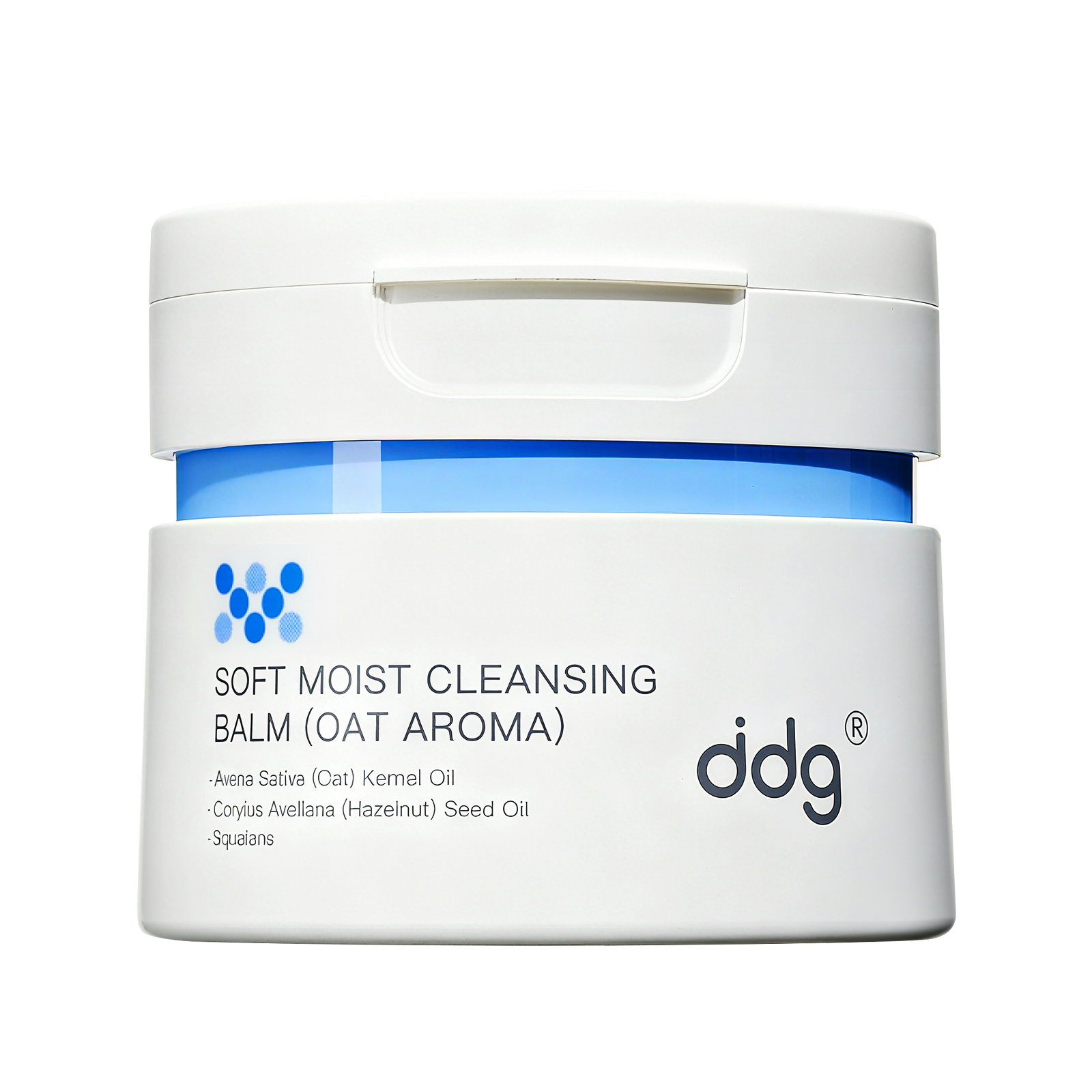
ddg Makeup Remover Cleansing Balm
- Oat Kernel Oil nourishes while cleansing
- 15-second makeup removal, no residue
- Magnetic spatula for hygienic use
- Gentle enough for the most sensitive skin
Frequently Asked Questions
Can I exfoliate if I have sensitive skin?
Yes, but you need to choose the right type of exfoliant. Sensitive skin responds best to chemical exfoliants with polyhydroxy acids (PHAs) or low concentrations of lactic acid, used no more than 2-3 times per week. Avoid physical scrubs with harsh particles.
How often should I exfoliate sensitive skin?
Start with once per week and gradually increase to 2-3 times per week if your skin tolerates it well. Never exfoliate on days when your skin feels irritated, sunburned, or overly dry.
What ingredients should I avoid when exfoliating sensitive skin?
Avoid high-concentration glycolic acid, walnut shell scrubs, apricot kernel scrubs, and strong retinoids. Also avoid combining multiple exfoliants in the same routine, as this can compromise your skin barrier.
Is chemical or physical exfoliation better for sensitive skin?
Chemical exfoliation is generally better for sensitive skin because it works uniformly without the abrasive friction of physical scrubs. PHAs and low-percentage lactic acid are the gentlest options.
What should I do if my skin reacts after exfoliating?
Stop all exfoliants immediately. Switch to a gentle, fragrance-free cleanser and a barrier-repair moisturizer. Apply a cool compress if needed. Wait until your skin fully recovers before attempting exfoliation again, and consider switching to an even milder product.
Last updated: July 13, 2026. Medical disclaimer: This article is for informational purposes only and does not replace professional dermatological advice.