Best Moisturizer to Use with Acne Treatments: A Complete Guide to Non-Comedogenic Hydration
If you're battling breakouts, the last thing you want is a moisturizer that makes things worse. But here's the truth: skipping moisturizer while using acne treatments is one of the biggest mistakes you can make. The right moisturizer doesn't just hydrate—it protects your skin barrier, reduces irritation from actives, and can even help prevent future breakouts. In this guide, we'll show you exactly what to look for, what to avoid, and how to build a hydration strategy that works with your acne treatments, not against them.
Table of Contents
- Why Moisturizer Matters When Treating Acne
- Comedogenic vs. Non-Comedogenic: What the Labels Really Mean
- The Best Moisturizer Ingredients for Acne-Prone Skin
- Ingredients to Avoid When Using Acne Treatments
- How to Layer Moisturizer with Acne Treatments
- Moisturizer Recommendations by Skin Type
- Common Mistakes That Sabotage Your Routine
- Frequently Asked Questions
Why Moisturizer Matters When Treating Acne
When you start using acne treatments like benzoyl peroxide, salicylic acid, or retinoids, your skin undergoes significant changes. These actives work by increasing cell turnover, unclogging pores, and reducing inflammation—but they also disrupt your skin's natural moisture barrier. Without proper hydration, you may experience:
- Excessive dryness and flaking that makes acne more visible and harder to cover
- Increased sensitivity that leads to redness, stinging, and irritation
- Compensatory oil production as your skin tries to rebalance itself
- Delayed healing because a compromised barrier can't repair itself efficiently
Research published in the Journal of Clinical and Aesthetic Dermatology shows that maintaining skin barrier function is critical for acne treatment success. Patients who used a non-comedogenic moisturizer alongside their acne medications experienced 40% less irritation and were more likely to stick with their treatment long-term.
Key Takeaway: Moisturizer isn't optional when treating acne—it's essential for barrier protection, irritation reduction, and treatment adherence.
Comedogenic vs. Non-Comedogenic: What the Labels Really Mean
The term "comedogenic" refers to ingredients that can clog pores and trigger breakouts. In the 1980s, dermatologists developed the comedogenicity scale (0-5) to rate how likely an ingredient is to cause comedones (clogged pores). However, this scale has limitations:
- It was tested on rabbit ears, not human skin
- Concentration matters—a small amount of a mildly comedogenic ingredient may not cause issues
- Individual skin chemistry varies significantly
That said, the scale remains a useful starting point. Here's what you need to know:
| Rating | Meaning | Common Examples |
|---|---|---|
| 0 | Non-comedogenic | Hyaluronic acid, glycerin, squalane |
| 1-2 | Low risk | Shea butter, sunflower oil |
| 3-4 | Moderate risk | Coconut oil, cocoa butter |
| 5 | High risk | Wheat germ oil, lanolin |
The Best Moisturizer Ingredients for Acne-Prone Skin
When shopping for a moisturizer to use alongside acne treatments, prioritize these science-backed ingredients:
1. Hyaluronic Acid
This humectant draws water into the skin without adding oil or heaviness. It's ideal for acne-prone skin because it hydrates without clogging pores. Studies show hyaluronic acid can hold up to 1,000 times its weight in water, making it one of the most effective hydrating ingredients available.
2. Ceramides
Ceramides are lipids that make up over 50% of your skin's barrier. When acne treatments strip away natural oils, ceramides help rebuild and strengthen this protective layer. Look for moisturizers with ceramide NP, AP, or EOP.
3. Niacinamide
At concentrations of 2-5%, niacinamide reduces inflammation, regulates sebum production, and minimizes the appearance of pores. It's one of the most well-tolerated active ingredients for acne-prone skin and pairs well with most acne treatments.
4. Squalane
Unlike heavier oils, squalane is lightweight, non-comedogenic, and mimics your skin's natural sebum. It provides emollient benefits without the greasy feel or pore-clogging potential of other oils.
5. Glycerin
A classic humectant that works synergistically with hyaluronic acid. Glycerin is non-irritating, non-comedogenic, and helps maintain skin hydration levels throughout the day.
Ingredients to Avoid When Using Acne Treatments
Just as important as what to include is what to leave out. When you're already using potent acne actives, these ingredients can amplify irritation or worsen breakouts:
| Ingredient | Why Avoid | Found In |
|---|---|---|
| Fragrance/Parfum | Common irritant that increases sensitivity | Many scented moisturizers |
| Essential Oils | Can trigger inflammation and photosensitivity | "Natural" skincare products |
| Alcohol Denat | Strips moisture, worsens barrier damage | Some mattifying products |
| Coconut Oil | Highly comedogenic (rating 4) | Natural moisturizers, balms |
| Additional Actives (AHA/BHA) | Over-exfoliation when combined with treatments | Multi-active moisturizers |
Important: When using prescription acne treatments like tretinoin or adapalene, avoid moisturizers with additional exfoliating acids. Your skin needs time to adjust without further irritation.
How to Layer Moisturizer with Acne Treatments
The order in which you apply products can make or break your routine. Here's the dermatologist-recommended sequence:
Step 1: Cleanse
Use a gentle, non-stripping cleanser. Avoid harsh scrubs or foaming cleansers with sulfates that can further compromise your barrier.
Step 2: Apply Acne Treatment
Apply your acne medication to completely dry skin. Wait 5-10 minutes for full absorption before moving to the next step. This prevents dilution and ensures maximum efficacy.
Step 3: Moisturize
Apply your non-comedogenic moisturizer while the skin is still slightly receptive. This locks in hydration and creates a protective barrier over the active ingredients.
Step 4: Sunscreen (Morning Only)
Many acne treatments increase photosensitivity. A broad-spectrum SPF 30+ is non-negotiable during the day.
Moisturizer Recommendations by Skin Type
Not all acne-prone skin is the same. Your ideal moisturizer depends on your skin type and the specific acne treatments you're using:
| Skin Type | Texture Preference | Key Ingredients | What to Look For |
|---|---|---|---|
| Oily + Acne-Prone | Gel or gel-cream | Hyaluronic acid, niacinamide, squalane | Oil-free, mattifying, lightweight |
| Combination | Light lotion | Ceramides, glycerin, hyaluronic acid | Balanced hydration, non-greasy |
| Dry + Acne-Prone | Cream or rich lotion | Ceramides, squalane, glycerin | Barrier-repairing, soothing |
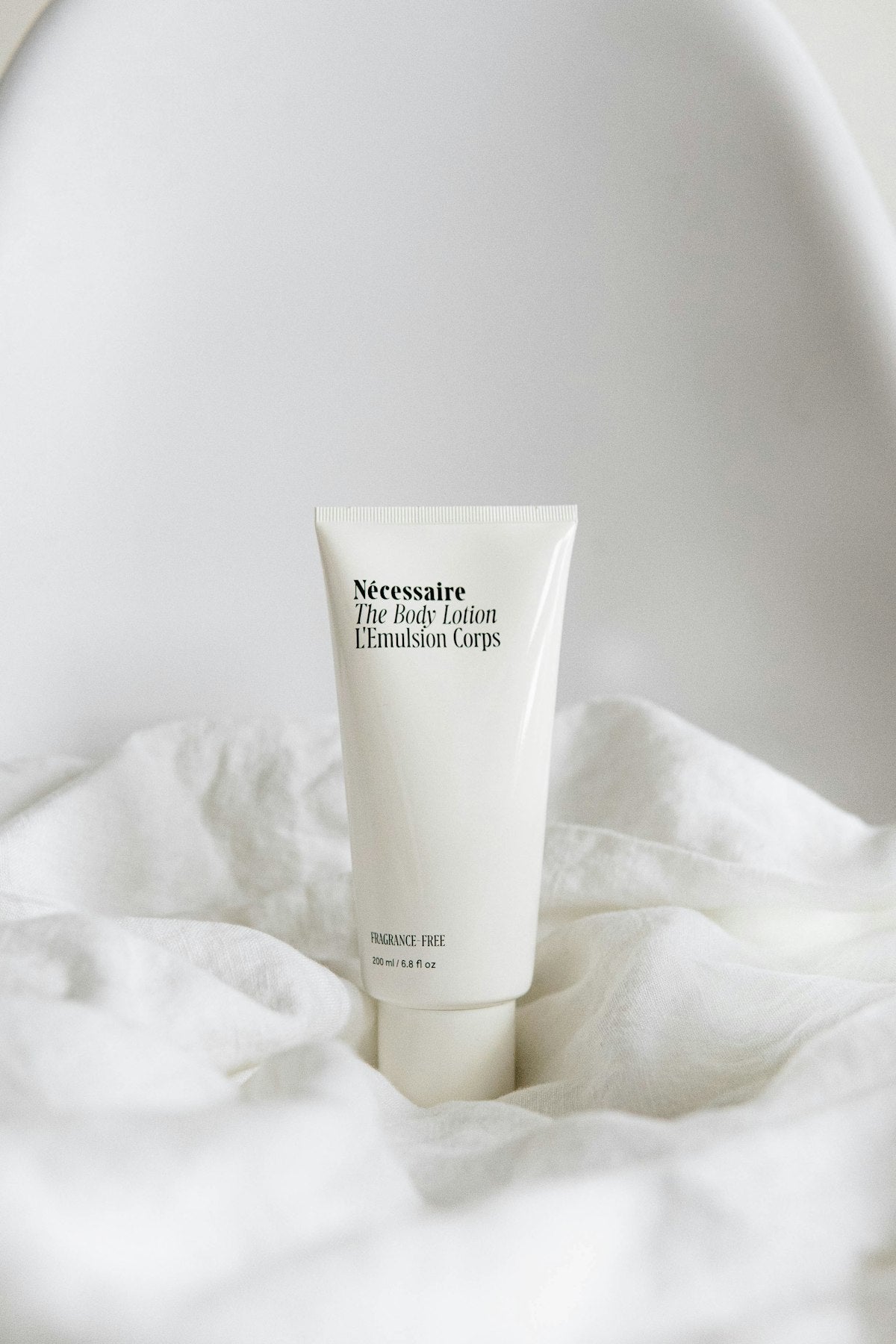
| Sensitive + Acne-Prone | Fragrance-free cream | Ceramides, panthenol, allantoin | Minimal ingredients, no fragrance |

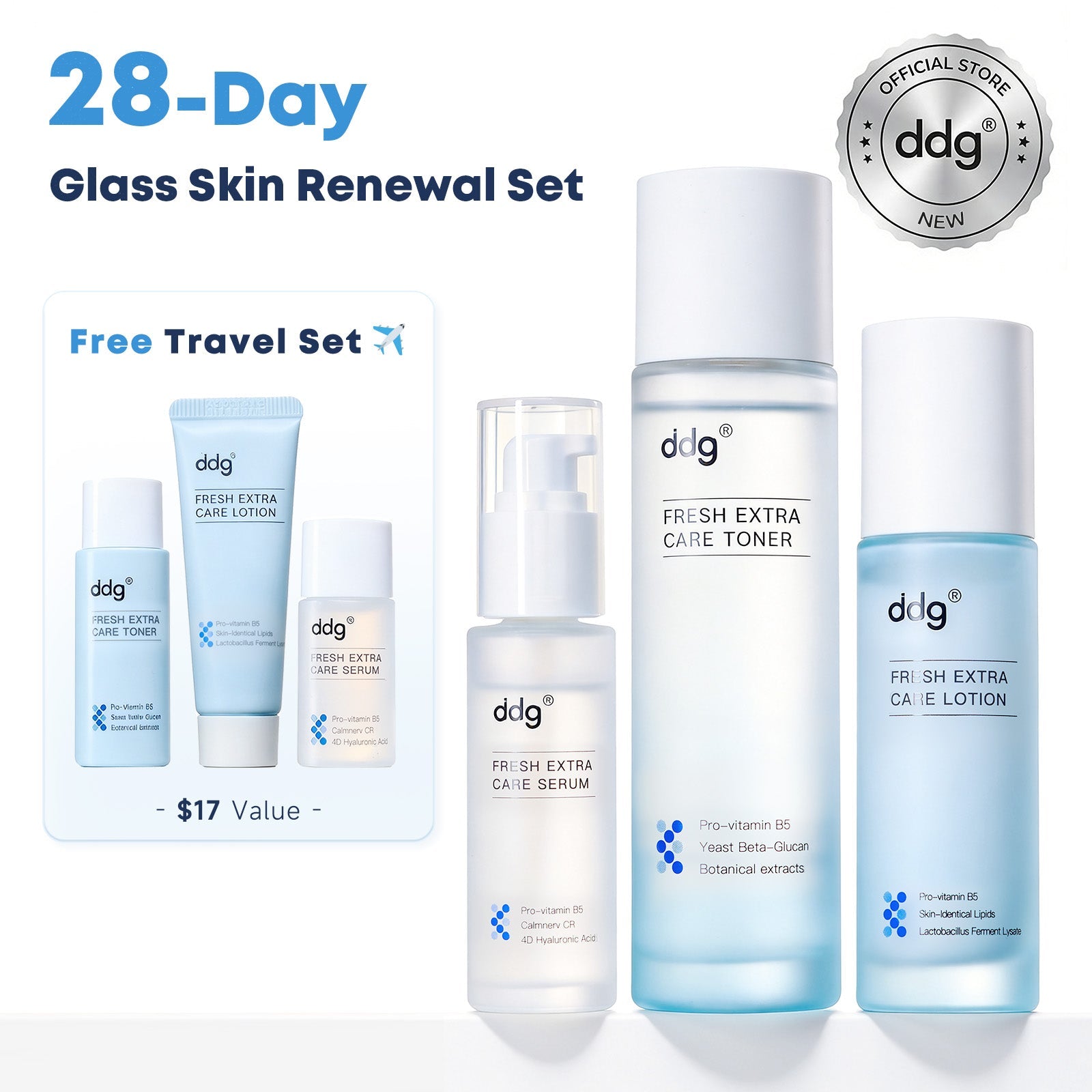
ddg 28-Day Glass Skin Renewal Set
- Ceramide + Peptide + Hyaluronic Acid for barrier repair
- 15-minute soothing for redness and irritation
- 28-day barrier strengthening protocol
- Lightweight, non-comedogenic formula
Common Mistakes That Sabotage Your Routine
Even with the right products, these common errors can undermine your acne treatment:
Mistake 1: Using Too Many Active Ingredients
When your moisturizer contains AHAs, BHAs, retinol, and you're using prescription acne treatments, you're essentially over-exfoliating. Stick to one or two actives total.
Mistake 2: Skipping Moisturizer Because Your Skin Feels Oily
Oily skin can still be dehydrated. When you skip moisturizer, your skin may produce even more oil to compensate. A lightweight, non-comedogenic gel moisturizer can actually help regulate oil production.
Mistake 3: Applying Moisturizer to Damp Skin After Treatments
While applying to damp skin is generally good for hydration, doing so immediately after acne treatments can dilute the active ingredients. Wait the full 5-10 minutes for absorption first.
Mistake 4: Ignoring Your Skin's Feedback
If a moisturizer causes new breakouts within 1-2 weeks, it's not the right fit—even if it's labeled "non-comedogenic." Everyone's skin reacts differently, so pay attention to how your skin responds.
Frequently Asked Questions
Can moisturizer make acne worse?
Yes, the wrong moisturizer can worsen acne if it contains comedogenic ingredients that clog pores. Look for non-comedogenic, oil-free formulas with lightweight textures like gels or gel-creams. Avoid heavy occlusives like petrolatum or mineral oil in acne-prone areas.
Should I apply moisturizer before or after acne treatment?
Apply acne treatments first on clean, dry skin, wait 5-10 minutes for absorption, then follow with moisturizer. This ensures the active ingredients penetrate effectively while the moisturizer locks in hydration and reduces irritation.
What ingredients should I avoid in a moisturizer when using retinoids or acids?
Avoid additional active ingredients like AHAs, BHAs, or vitamin C in your moisturizer when using retinoids or acids to prevent over-exfoliation. Also skip fragrances, essential oils, and alcohol denat which can increase sensitivity and irritation.
Is hyaluronic acid safe to use with benzoyl peroxide?
Yes, hyaluronic acid is completely safe to use with benzoyl peroxide. In fact, it helps counteract the dryness and irritation that benzoyl peroxide often causes. Apply hyaluronic acid on damp skin before benzoyl peroxide for best results.
How do I know if my moisturizer is non-comedogenic?
Check the product label for "non-comedogenic" or "won't clog pores" claims. Also review the ingredient list—avoid heavy oils like coconut oil, cocoa butter, and lanolin. Look for lightweight hydrators like hyaluronic acid, glycerin, and squalane instead.
Can I use a rich cream moisturizer if I have acne-prone skin?
Rich creams can be too heavy for acne-prone skin, especially in the T-zone. If you need extra hydration, use a lightweight gel-cream for most of your face and only apply richer formulas to dry areas like cheeks. Alternatively, choose a balanced moisturizer with ceramides and hyaluronic acid that hydrates without heaviness.
Related Articles
Want to dive deeper? Check out these expert guides:
- How to Use Azelaic Acid for Acne: A Complete Beginner's Guide with step-by-step instructions and skin type tips
- How to Layer Skincare Ingredients Correctly: The Ultimate Guide to building an effective routine
- How to Reduce Redness on Face: Causes, Treatments & Calming Routine for sensitive, irritated skin
Ready to Build Your Perfect Routine?
Finding the right moisturizer to pair with your acne treatments doesn't have to be complicated. Focus on non-comedogenic formulas with barrier-supporting ingredients like hyaluronic acid, ceramides, and niacinamide. Avoid heavy oils and additional actives that can overwhelm your skin. And remember—consistency matters more than perfection. Stick with a gentle, hydrating moisturizer that works for your skin type, and give your acne treatments the supportive environment they need to work effectively.
At ddg, we believe in science-backed skincare that respects your skin's natural balance. Our 28-Day Glass Skin Renewal Set is formulated with ceramides, peptides, and hyaluronic acid to support your barrier while you tackle acne—because healthy skin is always in.