How to Calm Irritated Skin After Breakout: SOS Relief Guide
You finally got the breakout to surface. The pimple itself is fading. But now your skin feels tight, stings with every product, and looks red and angry — almost worse than the breakout itself. This is post-inflammatory irritation, and it requires a completely different approach than treating active acne. The same products that dried out your pimple are now stripping your barrier. Here's your step-by-step SOS protocol to calm things down — starting in the next 10 minutes.
Key Takeaway: Post-breakout irritated skin is a barrier injury, not an acne problem. Every active ingredient you use to treat breakouts — acids, retinoids, benzoyl peroxide — will make the irritation worse. The correct protocol is: stop all actives, rebuild the barrier, reintroduce only when the stinging stops. Most people see a 50-70% reduction in irritation within 24 hours of switching to barrier-only care.
Table of Contents
- Why Your Skin Feels So Angry After a Breakout
- The SOS 5-Step Immediate Calming Protocol
- 7 Calming Ingredients That Actually Work
- 8 Ingredients to Avoid Right Now
- AM Gentle Routine: Start the Day Without Stinging
- PM Recovery Routine: Heal While You Sleep
- Recovery Timeline: What to Expect Hour by Hour
- 4 Skin Type Adjustments
- 5 Mistakes That Prolong Irritation
- Frequently Asked Questions
Why Your Skin Feels So Angry After a Breakout
Understanding what's happening beneath the surface helps explain why your usual routine suddenly burns — and why the fix isn't "more treatment."
| What's Happening | Why It Happens | What It Feels Like | What NOT to Do |
|---|---|---|---|
| Residual Inflammation | Inflammatory cytokines (IL-1, TNF-α, prostaglandins) continue circulating for 24-72 hours after the visible pimple subsides. Your immune system doesn't have an instant "off switch." | Skin feels hot to the touch, looks red and flushed even without touching it | Applying ice directly to skin (constricts then dilates vessels, causing rebound redness); applying more acne treatment |
| Barrier Lipid Stripping | Acne treatments (benzoyl peroxide, salicylic acid, alcohol-based products) dissolve the protective lipid matrix between skin cells. This lipid matrix normally prevents water loss and blocks irritants from entering. | Skin feels tight, papery, and "squeaky clean" after washing. Products that normally don't sting suddenly burn. | Double-cleansing with foaming washes; using toners with alcohol; "drying out" the skin further |
| Micro-Wound Healing | The pimple itself created a small breach in the epidermis. Even if you didn't pick or squeeze, the inflammatory process damages surrounding tissue. | Tenderness when touching the breakout area; skin may feel slightly raised or rough | Applying makeup over open or healing pimples (pigments and preservatives enter the wound); picking at healing tissue |
| Treatment Over-Application | Spot treatments are designed for tiny, targeted application — but most people apply them to the entire surrounding area, stripping the barrier of healthy skin adjacent to the pimple. | Wide patches of dryness and flaking around where the pimple was; redness extending beyond the original spot | Continuing to apply BP or SA to the same area "just to be safe"; layering multiple drying treatments |
Strategic Insight: The three drivers of post-breakout irritation — inflammation, barrier damage, and over-treatment — create a vicious cycle. Barrier damage increases inflammation, which makes your skin feel worse, which makes you reach for more treatment. Breaking this cycle requires stopping all three drivers simultaneously: calm the inflammation (cold therapy, anti-inflammatory ingredients), repair the barrier (ceramides, lipids, humectants), and stop all actives (no acids, no retinoids, no BP).
The SOS 5-Step Immediate Calming Protocol
This protocol is designed for the moment you realize your skin is "angry" — red, stinging, tender, or burning. Execute these steps in order. Every step has a specific purpose, and together they can reduce irritation by 50-70% within 2 hours.
Stop All Active Ingredients Immediately
Duration: ImmediateRemove every product containing acids (AHA/BHA), retinoids (retinol, tretinoin, adapalene), benzoyl peroxide, vitamin C (L-ascorbic acid), physical scrubs, or alcohol from your routine — today, right now. These ingredients are designed to penetrate and chemically alter skin tissue. On a compromised barrier, they don't just not work — they cause additional inflammation. If you use a prescription acne treatment, call your dermatologist before stopping — some (like oral antibiotics) should be continued; others (like topical tretinoin) should be paused. Set these products aside in a separate drawer so you're not tempted to "just use a little."
Cold Compress (30-Second Intervals)
Duration: 5 minutesWrap 2-3 ice cubes in a clean, soft washcloth (never apply ice directly to skin — it causes ice burns and rebound vasodilation). Press the wrapped compress gently against irritated areas for 30 seconds, then lift for 30 seconds. Repeat for 5 total minutes. The cold constricts superficial blood vessels, reducing redness and the sensation of heat within minutes. It also has a mild numbing effect on nerve endings, reducing stinging. After 5 minutes, your skin should feel noticeably cooler and less angry. Pat dry gently — don't rub.

Gentle Cleanse with Lukewarm Water Only
Duration: 30-60 secondsUse a cream or balm cleanser — no foam, no sulfates, no scrubbing. If you don't have one, use lukewarm water alone (not hot — hot water strips lipids and dilates blood vessels, worsening redness). Apply cleanser with fingertips only, using the lightest possible pressure — imagine you're spreading soft butter on warm bread. Rinse thoroughly but gently. The goal here is removal of surface debris without further barrier disruption. If your cleanser makes your skin feel tight after rinsing, it's too harsh — switch to water-only until you can get a gentler formula.
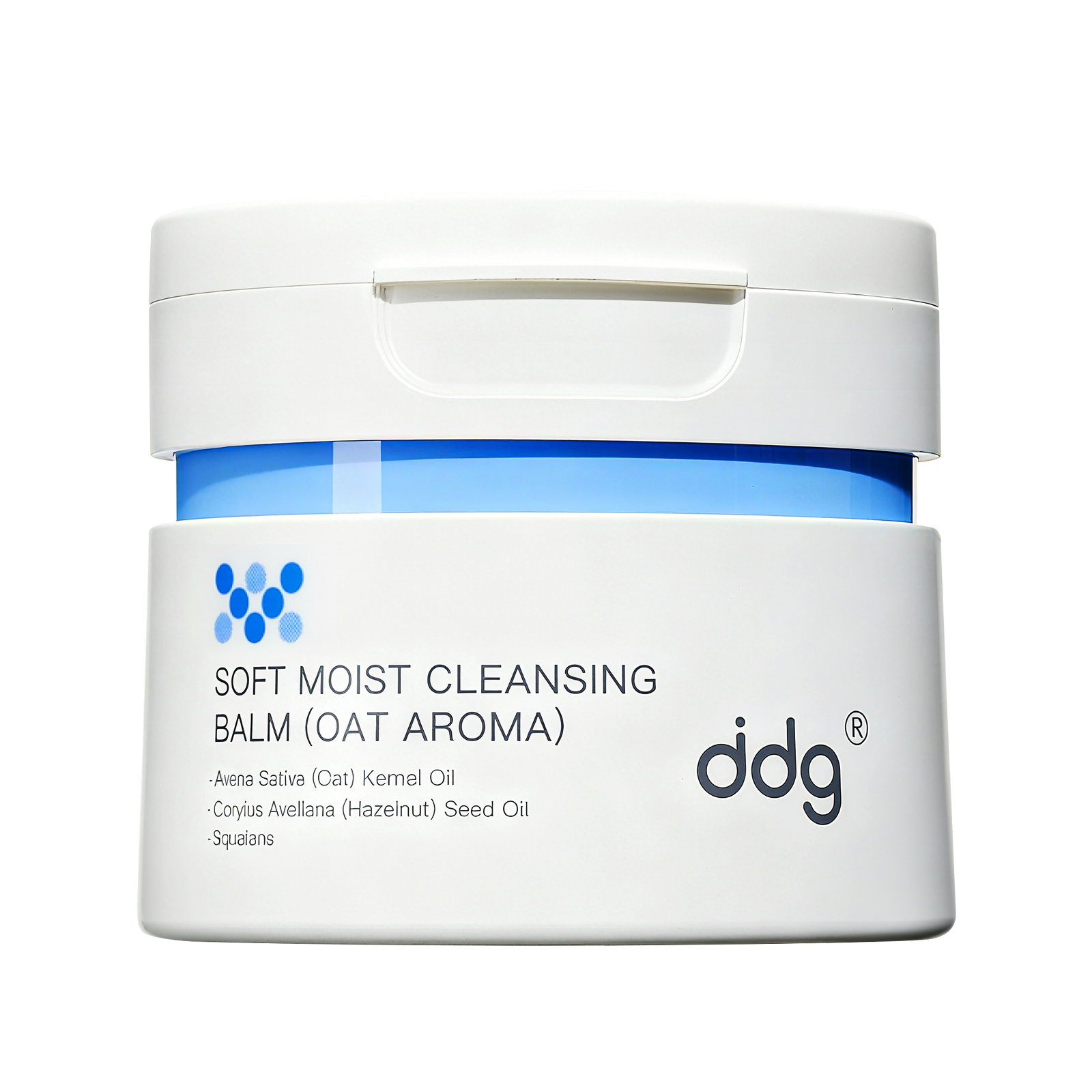
ddg Makeup Remover Cleansing Balm
A barrier-first cleanser that removes the day without triggering more inflammation — exactly what irritated post-breakout skin needs
- Oat Kernel Oil + Squalane — dissolve debris while feeding your barrier the lipids it's missing
- Zero foam, zero sulfate — no surfactants that strip compromised skin
- 60-second massage — gentle enough for twice-daily use, even when your skin is stinging
- Magnetic spatula — zero contamination into healing skin
Hydrate on Damp Skin (No Rubbing)
Duration: 2-3 minutesImmediately after cleansing, while your skin is still slightly damp, apply a hydrating toner or essence with panthenol (provitamin B5), hyaluronic acid, or glycerin. Damp skin absorbs humectants 3-4x more effectively than dry skin because the water on the surface creates a concentration gradient that pulls the humectant deeper. Press the product into your skin with open palms — don't swipe or rub, which creates friction on compromised tissue. Wait 60 seconds for absorption. Your skin should feel cool and quenched — if it still feels tight, apply a second layer.
Seal with Barrier-Repair Moisturizer
Duration: Apply and leave onApply a fragrance-free moisturizer containing ceramides, peptides, and squalane. These three components work together: ceramides replace the lipids stripped by acne treatments, peptides signal the skin to accelerate repair, and squalane creates a breathable occlusive seal that prevents water loss without clogging pores. Apply a generous layer — now is not the time to skimp. The moisturizer should create a visible protective film. If your skin drinks it up within 30 seconds and still feels tight, apply a second layer. Throughout the day, reapply moisturizer whenever your skin feels tight or dry — there's no upper limit when your barrier is compromised.

28-Day Glass Skin Renewal Set
A ceramide + peptide + hyaluronic acid protocol designed to rebuild the barrier that breakout treatments strip away
- Toner: Panthenol + Yeast Beta-Glucan — immediate cooling hydration that calms the heat of post-breakout inflammation
- Serum: Hyaluronic Acid + Peptides — deep hydration and repair signaling to accelerate barrier recovery
- Lotion: Ceramides + Squalane — lipid replenishment that seals in moisture and stops the stinging cycle
7 Calming Ingredients That Actually Work
Not all "soothing" ingredients are equal. This ranking is based on clinical evidence specifically for post-inflammatory irritation — not general hydration.
| # | Ingredient | Mechanism | Best Product Type | When to Use |
|---|---|---|---|---|
| 1 | Panthenol (Provitamin B5) | Converts to pantothenic acid in skin — essential for Coenzyme A, which drives lipid synthesis and fibroblast proliferation. Reduces transepidermal water loss (TEWL) by up to 40% within 1 hour of application. | Toner, serum, or moisturizer at 1-5% | Immediately — first ingredient to apply after cold compress |
| 2 | Ceramides (NP, AP, EOP) | Replace the intercellular lipids stripped by acne treatments. Ceramides make up 50% of the skin's lipid barrier; without them, the barrier cannot hold water or block irritants. | Moisturizer at 0.1-1% (in proper 3:1:1 ratio) | Layering step — apply over humectants to seal |
| 3 | Oat Beta-Glucan / Colloidal Oatmeal | Binds to toll-like receptors on immune cells in the skin, directly calming the inflammatory cytokine cascade. FDA-approved as a skin protectant. | Cleanser, toner, or moisturizer | Cleansing step — oat-based cleansers are ideal |
| 4 | Squalane | A hydrocarbon identical to squalene — a natural component of human sebum (10-12%). Acts as an emollient and light occlusive that mimics the skin's own lipids, so it absorbs without feeling greasy and doesn't trigger acne. | Moisturizer or pure oil at 5-100% | Final step — occlusive seal over all other products |
| 5 | Madecassoside / Centella Asiatica | One of four active triterpenoids in Centella. Madecassoside specifically upregulates collagen synthesis while downregulating inflammatory mediators. Shown to reduce erythema (redness) by 30% within 24 hours in clinical studies. | Serum or moisturizer at 0.1-1% | After hydrating toner, before occlusive |
| 6 | Allantoin | A keratolytic at high concentrations but a potent soothing agent at 1-2%. Promotes epithelial proliferation and wound healing while reducing the stinging sensation through mild local anesthetic properties. | Moisturizer or spot treatment at 1-2% | In moisturizer step |
| 7 | Niacinamide at 2-5% | Stimulates ceramide synthesis (increasing barrier lipids by up to 40% in 4 weeks), reduces inflammatory cytokine release, and regulates sebum. Note: use only at 2-5% — concentrations above 5% can cause flushing and stinging on compromised skin. | Serum or moisturizer at 2-5% | Wait until day 3-5 — not during the first 48 hours of acute irritation |
8 Ingredients to Avoid Right Now
| Ingredient | Why It Worsens Irritation | Common Products Containing It | When It's Safe to Resume |
|---|---|---|---|
| AHAs (Glycolic, Lactic, Mandelic) | Chemically dissolve bonds between skin cells. On an intact barrier, this is controlled exfoliation. On a damaged barrier, it's a chemical burn — the acid penetrates deeper than intended into living tissue. | Toners, serums, "glow" pads, overnight masks | Minimum 7 days after stinging stops |
| BHA (Salicylic Acid) | Even though it's anti-inflammatory, the low pH (3.0-4.0) burns compromised skin and further strips barrier lipids from within pores. | Spot treatments, cleansers, toners, "oil-control" products | 5-7 days after stinging stops; patch test first |
| Benzoyl Peroxide | Strong oxidizing agent that kills bacteria by releasing free radicals. Those same free radicals damage healthy skin cells and deplete antioxidants in the barrier. | Spot treatments, cleansers, "acne" labeled products | 7-10 days after stinging stops; switch to 2.5% (equal efficacy to 10% with less irritation) |
| Retinoids (Retinol, Tretinoin, Adapalene) | Increase cell turnover by 3-5x. On damaged tissue, this accelerates peeling and exposes raw, unprotected skin beneath. | Serums, creams, prescription topicals | 2 weeks after barrier fully healed; restart at 1-2x/week |
| Vitamin C (L-Ascorbic Acid 10%+) | Requires a pH of 2.5-3.5 to remain stable and penetrate. This acidity burns on damaged skin and triggers a fresh wave of inflammation. | Serums, "brightening" products, morning routines | 5-7 days after stinging stops |
| Alcohol Denat / SD Alcohol | Volatile alcohol evaporates rapidly, taking skin moisture with it. On a damaged barrier, this accelerates TEWL and causes immediate, sharp stinging. | Toners, "mattifying" products, spot treatments, setting sprays | Avoid permanently if possible; there are better alternatives |
| Fragrance & Essential Oils | A compromised barrier is hyper-reactive to fragrance allergens. Even if you normally tolerate fragrance, a damaged barrier lets these molecules penetrate deeper, potentially triggering allergic contact dermatitis on top of existing irritation. | "Calming" creams, "natural" products, scented skincare | Avoid during acute irritation; patch test when reintroducing |
| Physical Scrubs | Mechanical friction creates micro-tears that extend inflammation deeper into the dermis. On compromised skin, what feels like "gentle exfoliation" is actually abrading unprotected tissue. | Scrubs, cleansing brushes, konjac sponges, microfiber cloths | 3-4 weeks; never on actively irritated skin |
AM Gentle Routine: Start the Day Without Stinging
- Rinse with Lukewarm Water Only (30 seconds): You don't need a morning cleanse during barrier recovery — you haven't accumulated SPF, makeup, or pollution overnight. Lukewarm water alone removes the thin layer of overnight sebum and moisturizer residue. If you feel you must cleanse, use a cream cleanser for 30 seconds max. Pat dry with a clean, soft towel — designate a fresh towel for your face only during recovery.
- Hydrating Toner on Damp Skin (Press in with palms): Apply a panthenol or hyaluronic acid toner to slightly damp skin. The dampness is critical — it provides the water that humectants need to bind. Press the toner in with open palms; don't use a cotton pad (the friction irritates) or your fingertips (increased pressure points). One to two layers is fine — stop when your skin feels quenched, not wet.
- Lightweight Barrier Moisturizer: Apply a ceramide + peptide moisturizer in a thin, even layer. This should contain no actives, no fragrance, no essential oils. If your moisturizer has niacinamide and it doesn't sting, great — but if you feel any burning, switch to a niacinamide-free formula for now.
- Mineral Sunscreen SPF 30+ (Essential!): Compromised skin is hypersensitive to UV — sun exposure on a damaged barrier intensifies inflammation and significantly increases the risk of post-inflammatory hyperpigmentation (the dark spots that linger after the redness fades). Use a 100% mineral sunscreen with zinc oxide or titanium dioxide — these sit on top of the skin rather than absorbing in, and zinc oxide itself has mild anti-inflammatory properties. Avoid chemical sunscreens (oxybenzone, avobenzone, octinoxate) — they absorb into skin and can sting on a damaged barrier. If even mineral SPF stings, use a UPF hat and avoid direct sun exposure between 10am-4pm.
PM Recovery Routine: Heal While You Sleep
- Gentle Cream/Balm Cleanse (60 seconds): Your PM cleanse must remove SPF and the day's accumulation without stripping. A balm cleanser with oat kernel oil or squalane is ideal — it dissolves oil-soluble debris (SPF, sebum, pollution) without surfactants. Massage with fingertips in light, circular motions for 60 seconds — the massage stimulates microcirculation, which accelerates barrier repair. Rinse with lukewarm water until no residue remains.
- Hydrating Toner (Double Layer): Apply one layer of hydrating toner to damp skin, wait 30 seconds, then apply a second layer. The "7 Skin Method" myth (7 layers of toner) is overkill, but 2 layers of a barrier-safe toner provide measurable hydration improvement over 1 layer — one study showed a 22% increase in skin hydration after just 2 layers vs 1 layer of the same formula.
- Peptide + Hyaluronic Acid Serum (Optional, Days 3+): Once the acute stinging has subsided (typically by day 3), add a single serum with hyaluronic acid and peptides. Apply to damp skin — peptides signal fibroblasts to produce collagen and elastin, and hyaluronic acid holds 1,000x its weight in water. Skip this step entirely during the first 48 hours of acute irritation.
- Rich Barrier-Repair Moisturizer (Generous Layer): Apply a visibly thicker layer of moisturizer than you would during the day — nighttime TEWL (water loss) is naturally higher because your skin's barrier function fluctuates with your circadian rhythm, peaking in permeability around midnight. This thicker layer compensates for the circadian drop in barrier function.
- Optional: Light Occlusive on Irritated Spots: Apply a pea-sized amount of squalane oil or a thin layer of petroleum jelly directly on the most irritated areas — this "spot-occlusion" technique creates a localized healing chamber. The occlusive prevents 99% of water loss from that area, creating the ideal moist environment for wound healing. Contrary to popular belief, petroleum jelly is non-comedogenic (the molecules are too large to enter pores) and is the dermatologist-preferred occlusive for wound healing.

Recovery Timeline: What to Expect Hour by Hour
| Timeframe | What's Happening | What You'll Feel | What to Do |
|---|---|---|---|
| First 1-2 Hours | Cold compress constricts blood vessels. Stopping actives halts ongoing chemical irritation. Barrier-support products begin reducing TEWL. | Immediate reduction in the "hot" sensation. Stinging decreases by 50-70%. Redness begins to fade as blood vessels constrict. | Execute the SOS 5-step protocol. Reapply moisturizer if skin feels tight. Do not touch your face. |
| 12-24 Hours | Inflammatory cytokine levels decline. Barrier lipids begin reassembling around skin cells. Panthenol and ceramides from products start integrating into the lipid matrix. | Significant reduction in redness and tenderness. Skin still feels sensitive but no longer "angry." May still sting with water contact. | Continue barrier-only routine. Avoid makeup. Change pillowcase. No exfoliating or active ingredients. |
| 24-48 Hours | Acute inflammatory phase resolves. Micro-wounds from pimples begin epithelialization (new skin cells migrating to close the wound). | Redness is 60-80% reduced. Skin may still feel tight and dehydrated but no longer burns. Some flaking may begin as damaged surface cells shed. | Can add a single gentle serum (niacinamide 2-5%, no acids). Continue occlusive at night. SPF during day. |
| Days 3-5 | Barrier function is approximately 70-80% restored. New lipid lamellae (ceramide sheets) form between cells. Skin's pH normalizes from the acidic disruption caused by acne treatments. | "Angry" appearance is gone. Skin may look slightly dull due to accumulated dead cells that haven't shed yet — this is normal and temporary. No stinging with plain moisturizer. | If no stinging: reintroduce ONE gentle active (e.g., niacinamide). Still avoid all acids, retinoids, BP, and vitamin C. Do not exfoliate yet. |
| Day 7+ | Barrier fully restored in most cases. Lipid matrix is intact. TEWL returns to baseline. Skin can now tolerate normal products. | Skin feels normal — no tightness, no stinging, no unusual sensitivity. Redness is gone. Any post-inflammatory marks (PIH) may now be visible as the redness clears. | Gradually reintroduce other actives one at a time, 2-3 days apart. Start at lower frequency than before the irritation — your skin's tolerance may have shifted. |
4 Skin Type Adjustments for Post-Breakout Calming
| Skin Type | Unique Challenge | Adjustment to the SOS Protocol |
|---|---|---|
| Oily / Acne-Prone | Fear of moisturizers and occlusives leads to under-moisturizing. The result: barrier stays compromised longer, sebum overproduction continues, and new breakouts form alongside healing ones. | Use gel-cream moisturizers instead of rich creams — they hydrate without heaviness. Squalane is your ideal occlusive (lighter than petroleum jelly, mimics natural sebum). Don't skip the occlusive step — just use a lighter one. Niacinamide is especially helpful here as it regulates sebum while supporting barrier repair. |
| Dry / Dehydrated | Barrier was already compromised before the breakout. Post-breakout irritation compounds existing lipid deficiency. Recovery takes longer and skin is more prone to tightness and flaking. | Double the moisturizer layers — apply moisturizer, wait 2 minutes, apply a second layer. Use petroleum jelly as the nighttime occlusive (dry skin tolerates it better and benefits more from the 99% TEWL reduction). Add a facial oil (squalane or rosehip) between toner and moisturizer for extra lipid replenishment. Recovery may take 10-14 days instead of 7. |
| Sensitive / Reactive | Even barrier-repair products can sting. The nervous system in sensitive skin is hyper-reactive — it may interpret benign ingredients as threats, triggering flushing and burning that isn't actually tissue damage. | Use the absolute minimum number of products: water rinse + single-ingredient occlusive (squalane or petroleum jelly) for the first 48 hours. When introducing a moisturizer, patch test behind the ear for 24 hours before applying to the face. Avoid niacinamide — even at 2% it can trigger flushing in sensitive types. Centella asiatica is the safest active ingredient for reactive skin. |
| Combination | Some areas (cheeks) are dry and irritated while others (T-zone) are oily. A single product approach doesn't work — the dry areas need occlusion and the oily areas need lightweight hydration. | Apply products strategically: rich moisturizer and occlusive on dry/irritated areas (cheeks, jawline where breakout occurred), lightweight gel-cream on the oily T-zone. This "multi-moisturizing" approach feels effortful but reduces total recovery time by an estimated 2-3 days compared to using one product everywhere. |
5 Mistakes That Prolong Post-Breakout Irritation
- "Drying It Out" Mentality. The idea that irritated, post-breakout skin needs to be kept dry to heal is one of the most persistent skincare myths — and it's the exact opposite of what wound-healing science shows. A moist environment accelerates epithelialization (skin cell migration) by 50% compared to a dry environment. Every time you skip moisturizer on irritated skin, you're extending the recovery time. The skin's natural healing process requires water — dehydrated tissue repairs slower.
- Reintroducing Actives Too Early. The most common timeline mistake: skin stops stinging on day 2, so you add your retinol back on day 3. The absence of stinging doesn't mean your barrier is healed — it means the most acute inflammation has subsided. The lipid matrix takes 5-7 days to fully reassemble. Reintroducing actives before day 5 almost always causes a relapse — the skin may not sting immediately, but by day 2-3 of resumed actives, the irritation returns worse than before because you've interrupted barrier repair mid-process.
- Over-Cleansing to "Get the Bacteria Off." The breakout may be gone, but the fear lingers — so you cleanse 2-3 times a day to "make sure." Each cleanse strips more barrier lipids. At this stage, the acne bacteria are no longer the problem — the barrier is. Switch to once-daily cleansing (PM only, to remove SPF) and water-only in the AM.
- Covering Irritation with Makeup. Applying foundation or concealer over irritated, healing skin introduces pigments, preservatives, and — if using a brush or sponge — bacteria into micro-wounds. This can trigger granulomatous reactions (hard bumps that require dermatologist injection to dissolve) or simply extend inflammation by days. If you must wear makeup, use a clean disposable sponge, apply a thin layer of occlusive as a barrier between skin and makeup, and remove it completely with a gentle double-cleanse within 6 hours.
- Ignoring the Trigger Pattern. If the same breakouts keep happening in the same spots, followed by the same irritation cycle, your routine is treating symptoms but not causes. Track breakout locations and timing — jawline and chin breakouts are often hormonal (menstrual cycle), forehead and temple breakouts often product-related (hair products, heavy moisturizers), and cheek breakouts often environmental (pillowcase, phone, touching face). Solving the trigger prevents the entire breakout → irritation → PIH cycle from repeating.
Frequently Asked Questions
How do I calm my skin immediately after a breakout?
The fastest protocol: (1) stop all active ingredients immediately, (2) apply a cold compress (ice wrapped in cloth, 30 seconds on/off for 5 minutes), (3) apply a barrier-repair moisturizer with ceramides and panthenol. Most people see a 50-70% reduction in stinging within 2 hours. The most critical step is stopping actives — continuing to use acids or retinoids on irritated skin extends recovery time by days.
Why is my skin so irritated after a breakout?
Three simultaneous mechanisms: residual inflammation (cytokines continue circulating 24-72 hours after the pimple subsides), barrier lipid stripping (acne treatments dissolve the protective lipid matrix between skin cells), and treatment over-application (spot treatments applied to large areas strip healthy surrounding skin). The combination leaves your skin inflamed, dehydrated, and barrier-compromised — explaining the tightness, stinging, and redness.
What ingredients should I avoid when my skin is irritated?
Avoid: AHAs, BHA, benzoyl peroxide, retinoids, high-concentration vitamin C, alcohol denat, fragrance/essential oils, and physical scrubs. These are all designed to penetrate and chemically alter skin — on a compromised barrier, they cause chemical burns rather than treatment effects. Stick to gentle cleansers, barrier-repair moisturizers, and SPF only until your skin stops stinging (typically 5-7 days).
How long does it take for irritated skin to calm down after a breakout?
With the correct barrier-only protocol: 1-2 hours for stinging to reduce by 50-70%, 24-48 hours for visible redness to subside significantly, days 3-5 for the "angry" appearance to resolve, and day 7 for most mild-moderate cases to fully heal. If you're still experiencing stinging and redness after 7 days of barrier-only care, consult a dermatologist — you may have an allergic reaction or perioral dermatitis.
Can I moisturize irritated skin after a breakout?
Yes — moisturizing is the single most important step. A compromised barrier loses water through micro-damage (TEWL). A well-formulated moisturizer delivers humectants (panthenol, hyaluronic acid) that pull water in, emollients (squalane, ceramides) that fill cracks in the barrier, and a light occlusive seal that prevents further water loss. Choose fragrance-free, essential-oil-free formulas and apply to slightly damp skin for maximum absorption.
What is the best cleanser for irritated post-breakout skin?
A cream or balm cleanser with a pH close to 5.0-5.5, zero sulfates (SLS/SLES) or foaming agents, and soothing lipids like oat kernel oil or squalane. Oil-based balm cleansers dissolve sebum and SPF without surfactants. Oat-derived ingredients provide beta-glucan, which has documented anti-inflammatory and redness-reducing properties. Use lukewarm water only — never hot. Cleanse for no more than 60 seconds and pat dry gently.
Should I put anything on popped pimples to calm them down?
If you've already popped a pimple: (1) gently cleanse, (2) apply a cold compress for 1-2 minutes, (3) apply a hydrocolloid pimple patch (leave 6-8 hours), (4) once the wound closes (24-48 hours), apply barrier-repair moisturizer. Do NOT apply benzoyl peroxide, salicylic acid, tea tree oil, or alcohol to an open pimple — these cause chemical burns on exposed dermal tissue. Do NOT apply makeup over open wounds — pigments and preservatives can enter and cause granulomatous reactions.
Your Post-Breakout Calming Quick-Start Plan
If you're reading this because your skin is currently irritated and you need to act now: put down every active product. Walk to your bathroom, wrap ice in a washcloth, and press it gently against the irritated area for 5 minutes (30 seconds on, 30 seconds off). Then apply the gentlest moisturizer you own — ideally one with ceramides, panthenol, or oat. Do nothing else for 48 hours. Your skin is not dirty, it's not "congested," and it doesn't need treatment. It needs rest.
For the next 7 days, your routine is: gentle cleanse (PM only), hydrating toner, barrier moisturizer, SPF (AM). Nothing else. No exceptions. The skin that heals quietly and completely is the skin that won't develop dark spots, won't flare up again next week, and won't keep you stuck in the breakout-irritation-more-breakouts cycle.
At ddg Beauty, we believe that calming irritated skin isn't about finding the strongest soothing ingredient — it's about knowing when to stop. Our Cleansing Balm is formulated with oat kernel oil and squalane to cleanse without triggering the inflammation cycle, and our 28-Day Glass Skin Renewal Set provides the ceramide-peptide-hyaluronic acid protocol that rebuilds what breakout treatments strip away. Because your skin knows how to heal — it just needs the right conditions to do it.
Explore our full collection of barrier-supporting, fragrance-free products designed for skin that's recovering, not reacting.
Related Articles
- How to Reduce Redness on Face: Causes, Treatments & Calming Routine — A deep dive into the five types of facial redness (from flushing to rosacea), with a 5-step SOS protocol, ingredient ranking, and trigger audit checklist for lasting calm.
- How to Fix a Damaged Skin Barrier: The Complete Repair Guide — The companion guide to this article: once the acute irritation passes, here's how to fully rebuild your barrier over 4 weeks, with an ingredient matrix and daily AM/PM protocols.
- How to Exfoliate Sensitive Skin Safely: A Complete Guide — When your barrier has fully healed and you're ready to reintroduce exfoliation, this guide covers which acids are safest, how often to use them, and how to recognize early signs of over-exfoliation before the irritation cycle starts again.