Azelaic Acid 10% vs 20%: Which Strength Is Right for Your Skin?
Azelaic acid is one of the most versatile skincare actives on the market — it fights acne, fades dark spots, calms redness, and gently exfoliates all at once. But when you're standing in front of two tubes labeled 10% and 20%, the choice isn't obvious. Higher percentage doesn't always mean better results. In fact, for many people, the wrong strength can backfire. Here's exactly how to choose.
📋 In This Article
- The Real Difference Between 10% and 20% Azelaic Acid
- 10% vs 20%: Side-by-Side Comparison
- Who Should Use 10% Azelaic Acid
- Who Should Use 20% Azelaic Acid
- How to Start Azelaic Acid Without Irritation
- When (and How) to Upgrade from 10% to 20%
- Where Azelaic Acid Fits in Your Routine
- Frequently Asked Questions

The Real Difference Between 10% and 20% Azelaic Acid
Azelaic acid works through multiple mechanisms: it's a tyrosinase inhibitor (fading hyperpigmentation), an antibacterial agent (targeting Cutibacterium acnes), a keratolytic (gently exfoliating), and an anti-inflammatory. The percentage you choose changes the speed and intensity of these effects — but also the likelihood of side effects.
10% azelaic acid is the over-the-counter standard in most markets. It's backed by decades of clinical data showing it effectively reduces inflammatory acne lesions by 50-60% over 12 weeks, with a side-effect profile comparable to placebo. It works — it just works slowly. Most users see visible improvement around week 4-6, with full results at week 12.
20% azelaic acid is prescription-strength (brand names include Skinoren and Azelex). Clinical trials show it reduces acne lesions roughly 20-30% faster than the 10% formulation and achieves greater reduction in post-inflammatory hyperpigmentation (PIH). The trade-off: roughly 25-35% of users experience stinging, itching, or peeling in the first 2-4 weeks, compared to 5-10% with 10%.
Key insight: A 2018 comparative study published in the Journal of Dermatological Treatment found that after 6 months, both 10% and 20% azelaic acid achieved statistically similar results for mild-to-moderate acne. The 20% group simply got there faster — but with 3× more transient irritation.
10% vs 20%: Side-by-Side Comparison
| Factor | 10% Azelaic Acid | 20% Azelaic Acid |
|---|---|---|
| Availability | OTC (most regions) | Prescription only (US, EU) |
| Onset of visible results | 4-6 weeks | 2-4 weeks |
| Acne reduction (12 weeks) | 50-60% | 60-75% |
| PIH fading (12 weeks) | 40-55% | 55-70% |
| Initial irritation rate | 5-10% of users | 25-35% of users |
| Best for | Sensitive skin, beginners, maintenance, mild acne + rosacea | Moderate-to-severe acne, stubborn PIH, experienced active users |
| Typical formula texture | Gel or lightweight cream | Cream (often heavier) |
| Cost (monthly, US) | $12-$35 | $50-$200+ (branded Rx) |
| Can pair with other actives? | Yes (niacinamide, HA, peptides) | Proceed with caution (buffer routine essential) |

Who Should Use 10% Azelaic Acid
10% azelaic acid is the smarter starting point for most people. Here's who should reach for it first:
1. Sensitive Skin and Rosacea-Prone Types
Azelaic acid is already one of the few actives recommended for rosacea (it's FDA-approved for the condition at 15% gel). Starting at 10% lets your skin barrier adapt without triggering a flare. If your skin stings with most actives, 10% is your lane.
2. First-Time Active Users
If azelaic acid is your first leave-on active (beyond basic moisturizer and SPF), 10% gives you a gentle introduction. You'll learn how your skin responds to chemical exfoliation without the intensity of prescription strength.
3. Maintenance Mode
Once you've cleared active breakouts with stronger treatments, 10% azelaic acid is excellent for maintenance. It keeps pores clear, prevents new PIH from forming, and maintains an even skin tone — all without the daily irritation that makes maintenance unsustainable.
4. Combination with Other Actives
If your routine already includes retinol, vitamin C, or chemical exfoliants, layering 20% azelaic acid on top is asking for barrier damage. At 10%, azelaic acid plays well with others — especially when buffered with a barrier-supporting moisturizer.
💡 Pro Tip: The gentlest way to introduce any active is on top of moisturizer. Apply your barrier-supporting moisturizer first, wait 2 minutes, then apply 10% azelaic acid. This "buffering" technique reduces irritation without significantly reducing efficacy.
Who Should Use 20% Azelaic Acid
20% is a tool for specific, targeted problems. It's not a "better 10%." Here's when the higher strength makes sense:
1. Moderate-to-Severe Inflammatory Acne
If you have deep, inflamed papules and pustules that 10% hasn't touched after 12+ weeks of consistent use, 20% is the logical escalation. The faster antibacterial action can break stubborn inflammatory cycles.
2. Stubborn Post-Inflammatory Hyperpigmentation
PIH that lingers for 6+ months despite consistent treatment with 10% azelaic acid (and daily sunscreen) may respond to the stronger tyrosinase inhibition at 20%. This is especially true for deeper skin tones where PIH is more persistent.
3. Experienced Active Users With Resilient Skin
If you've successfully used prescription retinoids, high-strength AHAs, or benzoyl peroxide without irritation, your barrier can likely handle 20% azelaic acid — with proper buffering and gradual introduction.
4. Under Medical Supervision
20% azelaic acid is prescription-only in most countries for a reason. A dermatologist can assess whether your specific presentation warrants the higher strength and monitor your barrier throughout the adaptation phase.

How to Start Azelaic Acid Without Irritation
Regardless of which strength you choose, the introduction protocol is non-negotiable. Rushing it is the #1 reason people quit azelaic acid before seeing results.
| Week | Frequency | Application Method | Watch For |
|---|---|---|---|
| 1-2 | Every 3rd night | Over moisturizer (buffered) | Mild tingling (normal); burning that lasts >5 min (back off) |
| 3-4 | Every other night | Over moisturizer or mixed into moisturizer | Peeling or dryness → add extra moisturizer layer |
| 5-6 | Every other night | Under moisturizer (direct on skin) | If tolerated, proceed. If irritated, stay here 2 more weeks. |
| 7-8 | Nightly | Under moisturizer | Maintain if comfortable; never go to twice daily |
| 9+ | Nightly | Under moisturizer | Full results expected by week 12 |
Golden rule: Azelaic acid does not need to be used twice daily to work. Once daily at night is sufficient for both 10% and 20%. Morning use adds irritation risk without meaningful efficacy gain — and azelaic acid does not increase photosensitivity the way AHAs and retinoids do.
When (and How) to Upgrade from 10% to 20%
Not everyone needs to upgrade. But if you've hit a plateau, here's the checklist:
- You've used 10% nightly for at least 12 weeks — with zero irritation for the last 4 weeks.
- Active acne or PIH is visibly unchanged from week 8 to week 12 (take photos — your memory of your skin 4 weeks ago is unreliable).
- Your moisture barrier is solid — no stinging with basic moisturizer, no persistent redness, no unusual dryness.
- You're not layering other strong actives at the same time of day.
If all four boxes are checked, here's the safe upgrade protocol:
Week 1-2: Replace one 10% night per week with 20%. Keep all other nights at 10%.
Week 3-4: Two nights per week at 20%, rest at 10%.
Week 5-6: Alternate nights: 20% / 10% / 20% / 10%.
Week 7+: Full transition to 20% nightly, only if no irritation.
If irritation appears at any stage, drop back to the previous step for 2 more weeks. There's no prize for rushing.
Where Azelaic Acid Fits in Your Routine
Azelaic acid is versatile, but its placement matters — especially which products come before and after it.
The Ideal PM Routine with Azelaic Acid

| Step | Product Type | Purpose | ddg Pick |
|---|---|---|---|
| 1 | Oil Cleanser / Balm | Remove sunscreen, makeup, sebum | ddg Cleansing Balm |
| 2 | Water-Based Cleanser | Remove residue, prep skin | Gentle gel or foam cleanser |
| 3 | Toner (hydrating, no actives) | Rebalance pH, first layer of hydration | ddg Fresh Extra Care Toner |
| 4 | Azelaic Acid (10% or 20%) | Treatment | Your azelaic acid product |
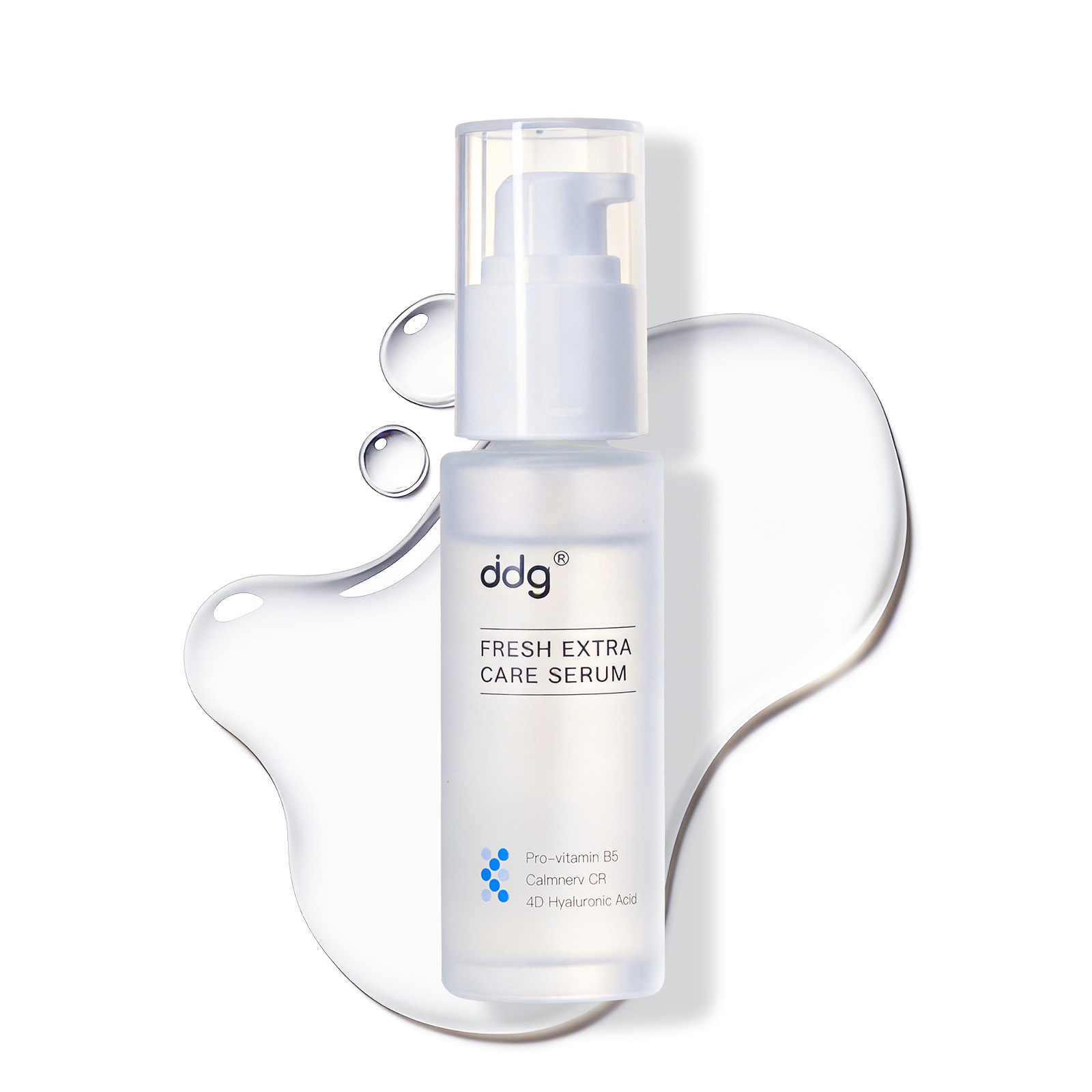
| 5 | Serum (hydrating/barrier) | Layer hydration, peptides, ceramides | ddg Fresh Extra Care Serum |
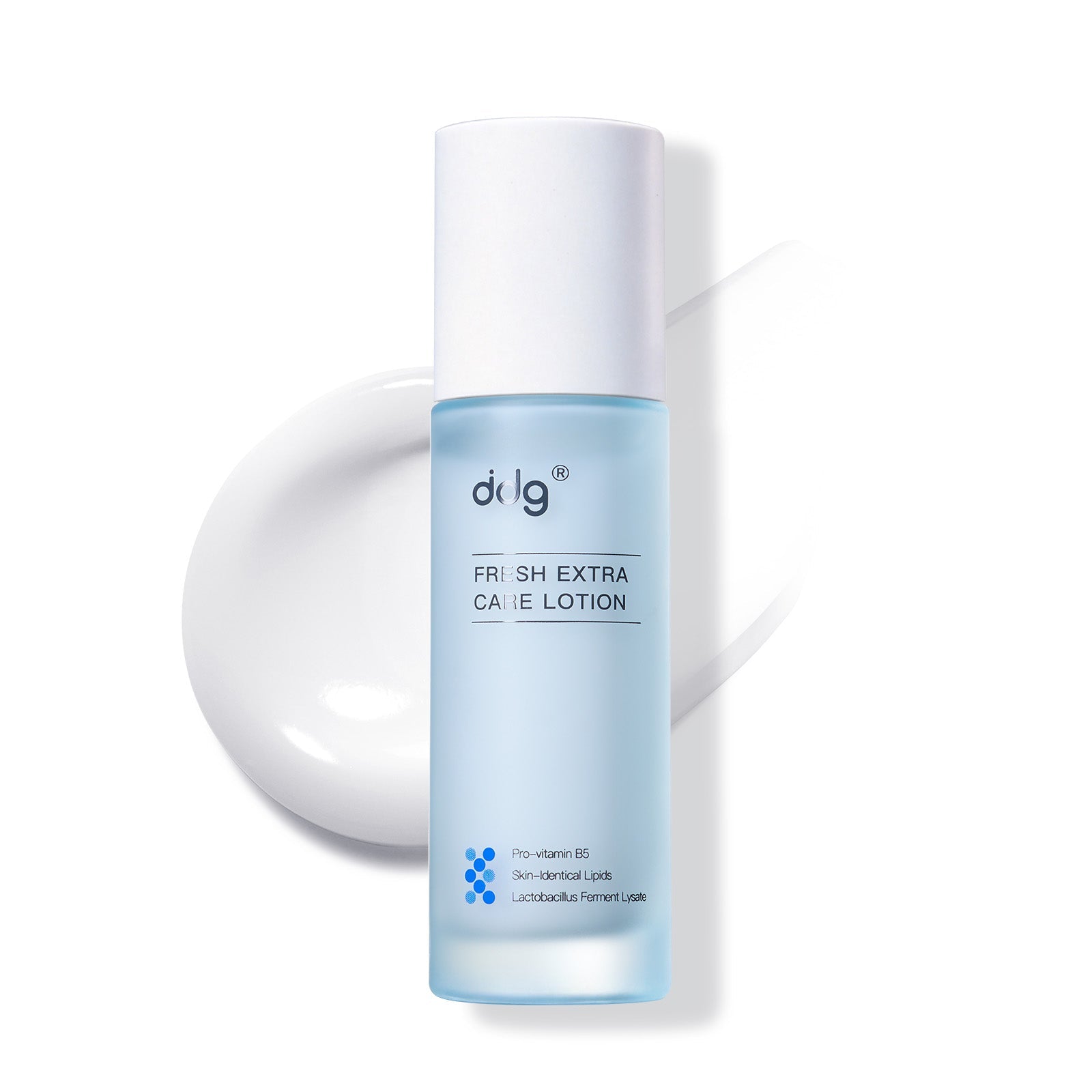
| 6 | Moisturizer | Seal everything, support barrier | ddg Fresh Extra Care Lotion |
💡 Pro Tip: If you experience stinging with azelaic acid, swap steps 4 and 5 — apply your serum first as a buffer, then azelaic acid on top. Research shows buffering reduces irritation by up to 70% with only a ~10% reduction in active penetration.

ddg Cleansing Balm
The perfect first step before azelaic acid — melts away sunscreen, makeup, and excess oil without stripping your barrier.
$17.99
Shop Now
ddg 28-Day Glass Skin Renewal Set
Your barrier's best friend during azelaic acid treatment. Ceramide + Peptide + HA formula keeps skin calm, hydrated, and resilient — exactly what you need when introducing actives.
- Step 1: Hydrating Toner — preps and rebalances
- Step 2: Barrier Lotion — locks moisture, calms irritation
- Step 3: Peptide Serum — strengthens barrier overnight
$49.99
Shop the SetFrequently Asked Questions
Can I use azelaic acid every day?
Yes — once your skin has adapted (usually by week 8), daily nighttime use is safe and recommended for both 10% and 20%. Avoid twice-daily application; there's no evidence it improves results and it significantly increases irritation risk.
Does higher percentage work faster for acne?
Yes, but with more irritation. 20% azelaic acid reduces inflammatory lesions roughly 2-4 weeks faster than 10%. However, by month 6, both strengths achieve comparable results for mild-to-moderate acne. Choose based on your urgency and your skin's tolerance, not just speed.
Can I layer azelaic acid with retinol?
Yes, but not in the same session. Use azelaic acid in the morning (it doesn't increase photosensitivity) and retinol at night, or alternate nights. If you must use both at night, apply azelaic acid first (it's pH-dependent), wait 20 minutes, then apply retinol — and buffer with a thick moisturizer.
Why does azelaic acid make my skin itch?
Transient itching (5-10 minutes after application) is the most common side effect, affecting up to 40% of users in the first 2 weeks. It's caused by azelaic acid's effect on sensory nerve endings and usually resolves as your skin adapts. If itching persists beyond 15 minutes or is accompanied by visible redness and peeling, reduce frequency or buffer with moisturizer.
Is 15% azelaic acid a good middle ground?
15% azelaic acid gel (Finacea) is FDA-approved for rosacea and available by prescription. It's often a good compromise for people who find 10% too slow and 20% too irritating. If you have access to a dermatologist, ask about 15% gel — its formulation is often more elegant than 20% cream.
Can I use azelaic acid while pregnant or breastfeeding?
Yes. Azelaic acid is Category B for pregnancy (no evidence of risk in human studies) and is considered one of the safest acne treatments during pregnancy and breastfeeding — unlike retinoids and salicylic acid at high concentrations. Always confirm with your OB/GYN.
Does azelaic acid expire or lose potency?
Yes. Azelaic acid is relatively stable but does degrade over time, especially when exposed to heat or light. Most formulations have a 12-24 month shelf life. Store in a cool, dark place (not the bathroom) and discard if the texture becomes grainy or separates.
Related Articles
- Can You Use Azelaic Acid Every Day? — Frequency & tolerance guide
- Should You Use Azelaic Acid in the Morning or Night? — AM vs PM debate
- How to Fix a Damaged Skin Barrier — Recovery protocol for active-induced irritation