Best Sunscreen for Acne-Prone Skin: 7 Derm-Approved Picks That Won't Clog Pores
You've mastered your acne routine — the gentle cleanser, the active ingredients, the non-comedogenic moisturizer. But the moment you add sunscreen, everything falls apart: new breakouts, greasy shine, that suffocating feeling on your skin. You're not alone. Finding SPF for acne-prone skin is the single most frustrating step in any skincare routine. The good news? Dermatologists have cracked the code. Here are the 7 categories of sunscreen that actually work with acne-prone skin — plus exactly how to choose, layer, and remove yours without a single new breakout.
Table of Contents
- Why Acne-Prone Skin Needs Special Sunscreen
- Mineral vs Chemical: Which Is Better for Acne?
- 7 Must-Know Criteria for Choosing Acne-Safe SPF
- Ingredients to Look For vs What to Avoid
- 6 Recommended Sunscreen Categories
- How to Layer SPF with Acne Treatments
- How to Properly Remove Sunscreen (Why It Matters for Acne)
- Frequently Asked Questions
- The Bottom Line

Why Acne-Prone Skin Needs Special Sunscreen
The sunscreen paradox for acne-prone skin is real: you need it more than most people, but it's also more likely to cause problems if you pick the wrong one.
Here's why acne-prone skin and sunscreen have a complicated relationship:
1. Acne treatments increase sun sensitivity. Benzoyl peroxide, retinoids, AHAs, BHAs, and even azelaic acid thin the outer layer of your skin or accelerate cell turnover. This makes UV damage penetrate deeper and faster. Without SPF, you're not just risking sunburn — you're making post-inflammatory hyperpigmentation (those stubborn dark marks) significantly worse.
2. The wrong sunscreen traps oil and bacteria. Heavy, occlusive formulations can create a seal over your pores, trapping sebum, dead skin cells, and C. acnes bacteria underneath. This is the classic "sunscreen breakout" — it's not an allergic reaction, it's mechanical clogging.
3. UV rays worsen acne marks. UV exposure stimulates melanocytes — the cells that produce pigment. If you have post-acne marks (PIH), the sun darkens them and keeps them from fading. A study in the Journal of the American Academy of Dermatology found that consistent SPF use reduces PIH fading time by 40-50%.
Key Insight: Sunscreen isn't optional for acne-prone skin — it's a treatment in its own right. The right SPF protects your progress, prevents marks from darkening, and supports your skin's ability to heal. The wrong one undoes everything your acne routine is working toward.
Mineral vs Chemical: Which Is Better for Acne?
This is the first decision you'll make when choosing sunscreen — and for acne-prone skin, the answer matters more than you might think.
| Factor | Mineral (Physical) Sunscreen | Chemical Sunscreen |
|---|---|---|
| Active Ingredients | Zinc oxide, Titanium dioxide | Avobenzone, Octinoxate, Octisalate, Homosalate, newer-gen filters |
| How It Works | Sits on skin surface, reflects UV rays like a mirror | Absorbs into skin, converts UV to heat, then releases it |
| Acne Risk | ✅ Low — non-absorptive, less likely to irritate follicles | ⚠️ Moderate — some filters can irritate sensitive or acne-prone skin |
| Anti-Inflammatory | ✅ Yes — zinc oxide is inherently anti-inflammatory and can calm active breakouts | ❌ No — not inherently calming |
| White Cast | ⚠️ Can leave a white cast, especially on deeper skin tones (mitigated by tinted or micronized formulas) | ✅ No white cast — blends invisibly |
| Texture | Can feel thicker; modern micronized versions are much lighter | Typically lightweight, gel-like, or watery — ideal under makeup |
| Best For | Sensitive, reactive, redness-prone, and active-acne skin | Oily skin that tolerates actives well; those who hate heavy textures |
The verdict for acne-prone skin: Mineral sunscreens are the safer starting point. Zinc oxide's anti-inflammatory properties can actually help calm existing breakouts while protecting your skin — it's a rare two-for-one in skincare. That said, if mineral formulas feel too heavy for your oily skin, don't force it. Some modern chemical sunscreens (especially Korean and European formulas with next-generation UV filters) are lightweight and well-tolerated. The best sunscreen is the one you'll wear every day.
7 Must-Know Criteria for Choosing Acne-Safe SPF
Forget the marketing claims. Here's the science-based checklist dermatologists use when recommending sunscreen for acne-prone patients:
-
Non-Comedogenic (But Verify)
"Non-comedogenic" isn't an FDA-regulated term — any brand can print it on a label. Instead, scan the ingredient list for known pore-cloggers (see the table below). A product can claim "non-comedogenic" and still contain isopropyl myristate or coconut oil. -
Oil-Free Doesn't Mean Water-Thin
"Oil-free" means no plant oils — it doesn't mean the product won't feel heavy. Silicones (dimethicone, cyclomethicone) are oil-free but can feel occlusive. For very oily skin, look for "gel-cream" or "water-gel" textures. -
SPF 30 Minimum, SPF 50 Ideal
SPF 30 blocks ~97% of UVB; SPF 50 blocks ~98%. That 1% difference matters when you're on photosensitizing acne medications. Don't bother with SPF 15 — it's not adequate protection for acne-treated skin. -
Broad Spectrum Is Non-Negotiable
UVA rays (the aging, pigmentation-deepening ones) pass through windows and clouds. If your SPF doesn't say "broad spectrum," it's only blocking UVB — which means your PIH is unprotected. -
PA++++ or High UVA-PF for PIH Protection
Asian sunscreens use the PA system (PA+ to PA++++). European sunscreens use UVA-PF or the UVA circle logo. For acne marks, aim for PA++++ or UVA-PF 16+. This ensures the UVA protection that prevents PIH darkening. -
Matte or Natural Finish (Not Dewy)
For oily, acne-prone skin, a matte or natural finish usually works better than a dewy one. Dewy sunscreens can amplify the appearance of oil throughout the day, which may tempt you to touch or blot your face — both can introduce bacteria. -
Fragrance-Free When Possible
Fragrance is one of the most common causes of contact dermatitis and irritation in acne-prone skin. If your skin barrier is already compromised from actives, fragrance can tip it into inflammation. Choose fragrance-free when you can — your skin has enough to process.
Ingredients to Look For vs What to Avoid
This table is your cheat sheet. Screenshot it. The next time you're standing in the SPF aisle scanning ingredient lists, these are the names that matter.
| ✅ Look For (Acne-Friendly) | Why It Helps | 🚫 Avoid (Pore-Cloggers & Irritants) | Why It's a Problem |
|---|---|---|---|
| Zinc Oxide | Anti-inflammatory, broad-spectrum, non-absorptive | Coconut Oil / Alkanes | Comedogenic rating 4/5 — highly pore-clogging |
| Niacinamide | Reduces oil, calms redness, strengthens barrier | Isopropyl Myristate | Comedogenic rating 5/5 — one of the worst offenders |
| Ceramides | Supports barrier compromised by acne treatments | Isopropyl Palmitate | Comedogenic rating 4/5 — occlusive emollient |
| Centella Asiatica | Anti-inflammatory; soothes redness and irritation | Wheat Germ Oil | Comedogenic rating 5/5 — very heavy, pore-clogging |
| Green Tea Extract | Antioxidant; reduces UV-induced inflammation | Algae Extract (某些) | Can be comedogenic for acne-prone skin depending on type |
| Allantoin | Soothing; reduces irritation from actives + sun | Denatured Alcohol (top 5) | Strips barrier; triggers rebound oil; irritates acne |
| Hyaluronic Acid | Hydrates without heaviness; won't clog pores | Synthetic Fragrance | Common contact irritant; unnecessary inflammation |
6 Recommended Sunscreen Categories for Acne-Prone Skin
Instead of listing specific brand names (which come and go), here are the six categories of sunscreen that dermatologists consistently recommend. Pick one that matches your skin subtype and budget.
1. Zinc-Only Mineral (Best for Active Breakouts)
Pure zinc oxide formulas contain no chemical filters and no titanium dioxide (which can be slightly more occlusive). Zinc is your best friend during active breakouts — it's anti-inflammatory, antimicrobial, and physically blocks UV without absorbing into the follicle. Look for 12-20% zinc oxide, water-based, with minimal additional ingredients. Expect a slight white cast; tinted versions offset this.
Ideal for: Active acne, cystic acne, extremely reactive skin, post-procedure skin.
2. Micronized Mineral (Best for Deeper Skin Tones)
Micronized or nano zinc oxide/titanium dioxide has been ground into smaller particles that blend more transparently while maintaining mineral protection. The particles are still too large to penetrate pores or the bloodstream — they sit on the surface just like traditional mineral SPF. These formulas often look invisible on medium to deep skin tones.
Ideal for: Fitzpatrick types IV-VI; anyone who hates white cast.
3. Korean Chemical (Best for Oily Skin Under Makeup)
Korean and Japanese sunscreens use next-generation UV filters (Tinosorb S, Tinosorb M, Uvinul A Plus, Uvinul T150) that are photostable, lightweight, and far less irritating than older American chemical filters. These formulas feel like water-gels or essences — zero heaviness, zero white cast, and they layer beautifully under makeup. The catch: some contain alcohol for fast drying; check the ingredient list.
Ideal for: Very oily skin, makeup-wearers, humid climates, anyone who hates the feeling of sunscreen.
4. Tinted Mineral (Best for PIH & Uneven Tone)
Tinted mineral sunscreens contain iron oxides — pigments that provide additional protection against visible light (blue light from screens and sunlight). Visible light can worsen PIH in skin of color, so iron oxides are a significant bonus. The tint also camouflages redness and dark spots, giving an instant evening effect while you treat the underlying issue.
Ideal for: PIH, melasma, post-acne redness, uneven skin tone, makeup-free days.
5. Niacinamide-Infused SPF (Best for Oil Control)
Some sunscreens now include niacinamide (vitamin B3) — an ingredient clinically proven to regulate sebum production, reduce pore appearance, and strengthen the skin barrier. An SPF with 2-5% niacinamide is a multitasker: protection + oil control in one step. For oily, acne-prone mornings, this can replace a separate niacinamide serum.
Ideal for: Oily skin, enlarged pores, combination skin, morning routine minimalists.
6. Powder SPF (Best for Touch-Ups)
Powder or brush-on SPF isn't a replacement for your morning liquid SPF — it's for reapplication. For acne-prone skin, reapplying cream or lotion SPF over a day's worth of oil and environmental debris can feel like a breakout waiting to happen. A translucent powder SPF absorbs excess oil and adds protection without adding heaviness. Use it for midday touch-ups, not as your primary protection.
Ideal for: Midday reapplication, oily T-zone, makeup-wearers, gym bag.

How to Layer SPF with Acne Treatments (AM Routine)
Morning is when the sunscreen-acne treatment puzzle gets solved. The order matters — get it wrong and you either dilute your SPF or irritate your skin.
| Step | Product | Notes for Acne-Prone Skin |
|---|---|---|
| 1 | Gentle Cleanser | Use lukewarm water — hot water triggers oil production and irritation. No physical scrubs. |
| 2 | Active Treatment (if applicable) | Azelaic acid, niacinamide, or clindamycin work well in the AM. Benzoyl peroxide and retinoids belong in PM only. |
| 3 | Lightweight Moisturizer | Even oily skin needs moisture — a compromised barrier produces more oil. Gel or gel-cream texture. |
| 4 | Sunscreen (last) | Apply a nickel-sized amount for face alone. Don't forget ears, neck, and around the eyes. Wait 2-3 min before makeup. |
| 5 | Makeup (optional) | Use a beauty sponge instead of fingers for foundation — it disturbs SPF less. SPF setting spray is a bonus. |
How to Properly Remove Sunscreen (Why It Matters for Acne)
Here's the step most sunscreen guides skip: removal. Modern sunscreens — especially water-resistant and mineral formulas — are designed to stay on your skin through sweat, water, and hours of wear. A single water-based cleanser often can't break them down completely.
When sunscreen residue lingers overnight, it mixes with your skin's natural oil production, dead skin cells, and environmental debris. That cocktail sitting in your pores for 8 hours is a breakout waiting to happen. This is why some people think "sunscreen breaks me out" when the real problem is inadequate cleansing.
The solution: a dedicated first-step cleanser that dissolves sunscreen without stripping your barrier.

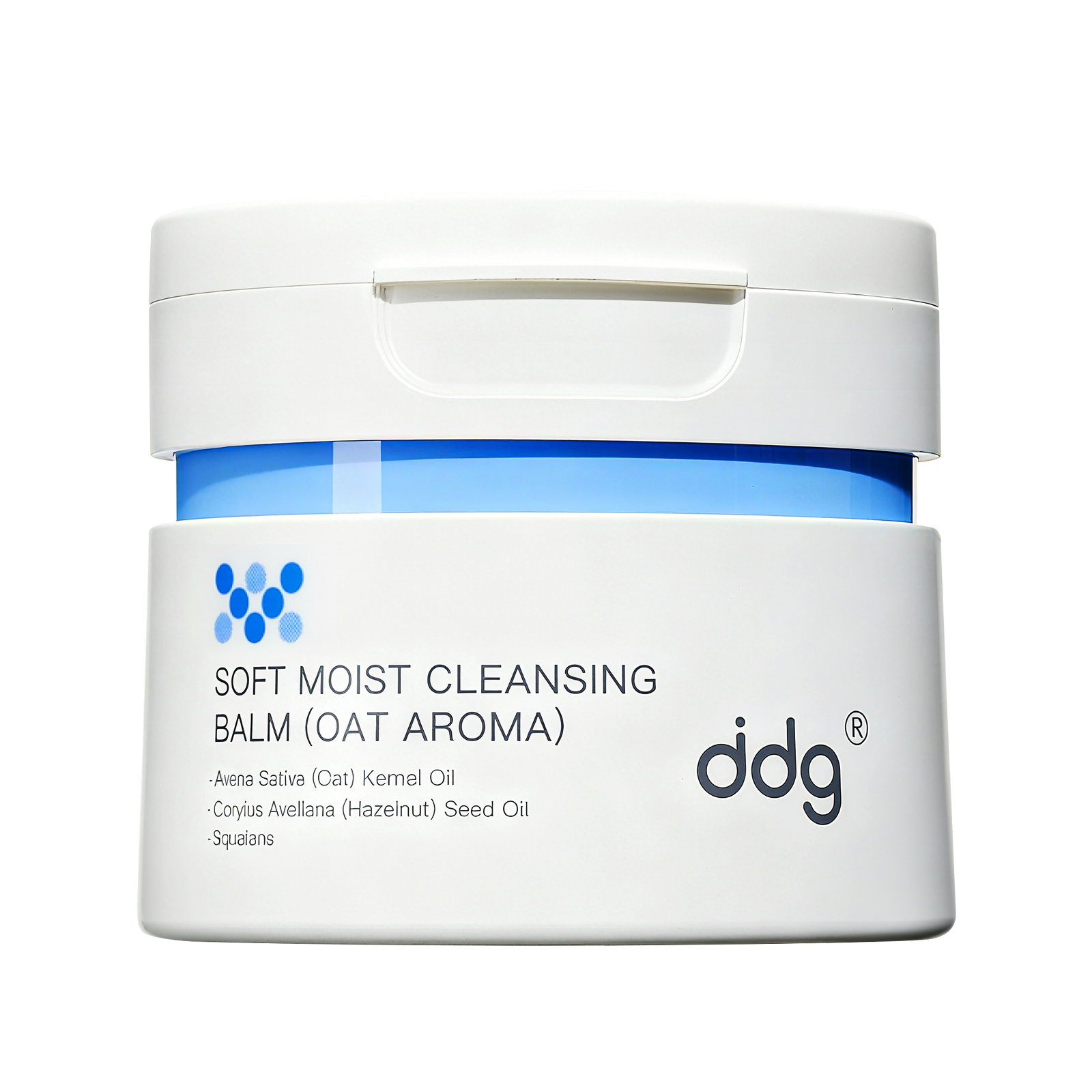
ddg Makeup Remover Cleansing Balm
A Gentle Option to Consider for Daily SPF Removal
- Oat Kernel Oil melts sunscreen, makeup, and excess oil in ~15 seconds — no tugging, no residue
- Formulated for sensitive, acne-prone, and redness-prone skin — won't trigger breakouts
- Preserves your skin barrier while cleansing, unlike stripping gel cleansers that can worsen acne
- Magnetic spatula keeps application hygienic — no bacterial contamination
- No secondary cleanser needed for most skin types; use alone or as the first step in a double cleanse
Use code WIN10 for 10% off your first order
How to double-cleanse for SPF removal: Massage a pea-sized amount of cleansing balm onto dry skin for 30-60 seconds, focusing on areas where sunscreen collects (hairline, jaw, around the nose). Add a splash of water to emulsify — the balm will turn milky. Rinse thoroughly. If your skin feels clean and not tight, you're done. If your sunscreen is particularly stubborn (sport formulas), follow with a gentle water-based cleanser.
Frequently Asked Questions
Is mineral or chemical sunscreen better for acne-prone skin?
Mineral sunscreens (zinc oxide, titanium dioxide) are generally better for acne-prone and sensitive skin. They sit on the skin's surface rather than absorbing in, making them less likely to trigger irritation or clog pores. Zinc oxide also has anti-inflammatory properties that can actually help calm active breakouts. That said, some modern chemical sunscreens with lightweight, non-comedogenic formulations work well for acne-prone skin — especially Asian and European formulas with newer UV filters.
What ingredients should I avoid in sunscreen if I have acne?
Avoid these common pore-clogging and irritating ingredients: coconut oil and coconut alkanes (highly comedogenic), isopropyl myristate and isopropyl palmitate (occlusive emollients), heavy oils like wheat germ oil and algae extract (pore-clogging), and fragrances (irritation triggers). Also avoid denatured alcohol if it appears in the first 5 ingredients, as it can strip your skin barrier and trigger rebound oil production.
Should I wear sunscreen if I'm using acne treatments like benzoyl peroxide or retinoids?
Absolutely — sunscreen is non-negotiable when using acne treatments. Benzoyl peroxide, retinoids, AHAs, and BHAs all increase sun sensitivity by thinning the stratum corneum or accelerating cell turnover. Skipping SPF while using these actives can worsen post-inflammatory hyperpigmentation (PIH), darken acne marks, and damage your skin barrier. Apply a broad-spectrum SPF 30+ every morning, rain or shine.
Can sunscreen actually cause acne?
Yes, the wrong sunscreen can trigger breakouts — but it's more accurately called 'acne cosmetica' rather than true acne. This happens when occlusive ingredients trap oil and bacteria in pores, or when certain UV filters irritate the follicle lining. The key is choosing non-comedogenic, oil-free formulas labeled 'acne-safe' or 'won't clog pores.' If a sunscreen consistently breaks you out, switch to a mineral-only formula and patch test first.
How do I remove sunscreen properly to prevent breakouts?
Water-resistant and mineral sunscreens are designed to stay on your skin — a single water-based cleanser often isn't enough. Use the double cleansing method: start with an oil-based cleanser or cleansing balm to dissolve sunscreen, then follow with a gentle water-based cleanser. A cleansing balm with nourishing ingredients like oat kernel oil is ideal — it breaks down sunscreen without stripping your barrier, which is crucial for acne-prone skin.
What SPF level do I need for acne-prone skin?
SPF 30 is the minimum; SPF 50 is ideal for acne-prone skin. Higher SPF doesn't mean more pore-clogging — that depends on the formula, not the SPF number. SPF 50 blocks about 98% of UVB rays vs 97% for SPF 30, and the extra protection matters when you're using photosensitizing acne treatments. The most important factor is that you'll actually wear it daily — the best SPF is the one you'll apply every morning.
Can I use tinted sunscreen if I have acne?
Yes, tinted mineral sunscreens can be excellent for acne-prone skin for two reasons. First, iron oxides (the pigments in tinted SPF) provide additional protection against visible light, which can worsen post-inflammatory hyperpigmentation. Second, the tint helps offset the white cast that pure mineral sunscreens can leave, making you more likely to apply the full recommended amount. Look for non-comedogenic tinted formulas with zinc oxide.
The Bottom Line
Sunscreen and acne-prone skin don't have to be enemies. The right SPF protects your skin, prevents dark marks from deepening, and — in the case of mineral formulas — can even help calm active breakouts. The key is choosing a formula that works with your skin rather than against it.
Start mineral if your skin is reactive. Go Korean chemical if you need something lightweight. Always patch test. Never skip the removal step. And remember: consistency beats perfection. A $10 drugstore SPF worn every day protects you better than a $60 luxury SPF that sits in your cabinet because you hate how it feels.
At ddg, we believe that healthy skin comes from gentle, science-backed care — not aggressive treatments that damage your barrier. The daily SPF habit is one of the simplest, most effective things you can do for your skin. Pair it with a cleanser that respects your barrier, and you've already solved 80% of the acne-sunscreen puzzle.
Related Articles
- 📖 How to Use Azelaic Acid for Acne: A Beginner's Step-by-Step Guide — Once you've locked in your SPF, learn how to add azelaic acid for clearer, calmer skin
- 🧴 Best Skincare Ingredients for Oily Skin: 7 Derm-Approved Picks — Pair your sunscreen with ingredients that actually control oil without over-drying
- 🔴 How to Reduce Redness on Face: Causes, Treatments & Calming Routine — If SPF irritation has left you with redness, here's the complete recovery protocol