A Simple Skin Barrier Routine for Overwhelmed Skin
When your face suddenly feels tight, stingy, flaky, or reactive, the instinct is often to add another “fix.” In practice, a simpler routine can be easier to evaluate. This guide helps you build a calm, practical skin barrier routine around gentle cleansing, hydration, moisturizer, and sunscreen—without treating your skin like a science experiment.
This is general cosmetic education, not medical advice. If you have painful swelling, a spreading rash, oozing, severe cracking, or symptoms that persist, pause new products and speak with a qualified clinician.
Start here: what a “simple” barrier routine is meant to do
Your skin barrier is the outermost system that helps keep water in and irritants out. It is often described as a brick-and-mortar structure: skin cells are the bricks, while lipids such as ceramides help form part of the mortar. That image is useful, but it does not mean you need to chase every ingredient or buy an entire new shelf.
A simple barrier routine has four jobs: remove what needs removing without over-cleansing, add water-friendly hydration, use a moisturizer that helps reduce the feeling of dryness, and protect skin from daytime exposure with sunscreen. It also has a fifth job that matters just as much: reduce variables. If you have introduced multiple acids, scrubs, masks, retinoids, or new fragrances at once, it is hard to know what your skin is reacting to.
The goal is not to promise an overnight repair. The goal is to create a routine you can repeat comfortably, observe, and adjust one change at a time. For a deeper educational overview of common barrier-support habits, see our guide to a damaged skin barrier.
Before you begin: take a short “less, but consistent” reset
For a few days, consider putting nonessential high-intensity steps on pause—especially if they reliably sting or leave you feeling more uncomfortable. This is not a rule that every active ingredient is bad. It is a way to make your routine easier to read. Keep only the steps that are familiar, gentle, and useful for you.
Write down what you are using in the morning and at night. Include cleanser, makeup remover, toner, serum, moisturizer, sunscreen, exfoliant, masks, and spot products. If a product is new, note when you began it and whether it causes immediate discomfort. This small inventory can prevent “routine creep,” where a simple plan quietly becomes eight layers again.
Step 1: cleanse only as much as your day requires
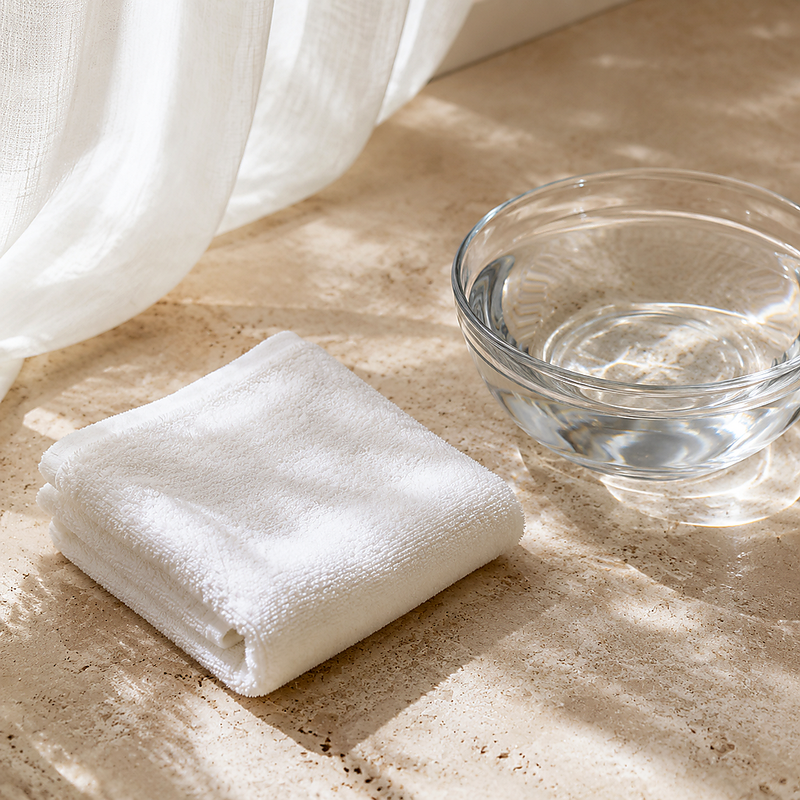
Cleansing should leave your skin feeling clean, not squeaky, stripped, or tight. In the morning, some people with dry or easily reactive skin prefer a water rinse or a very gentle cleanse; others need a cleanser because of sweat, oil, or a heavy nighttime product. At night, remove makeup, sunscreen, and the day’s buildup with a method that feels comfortable and rinses clean.
Focus on technique as much as product choice. Use lukewarm rather than hot water, avoid rough washcloth friction, and keep the massage brief. If you wear stubborn makeup or water-resistant sunscreen, a balm-style first cleanse may make it easier to avoid repeated rubbing. Follow with a gentle water-based cleanser only if your skin and makeup routine call for it.
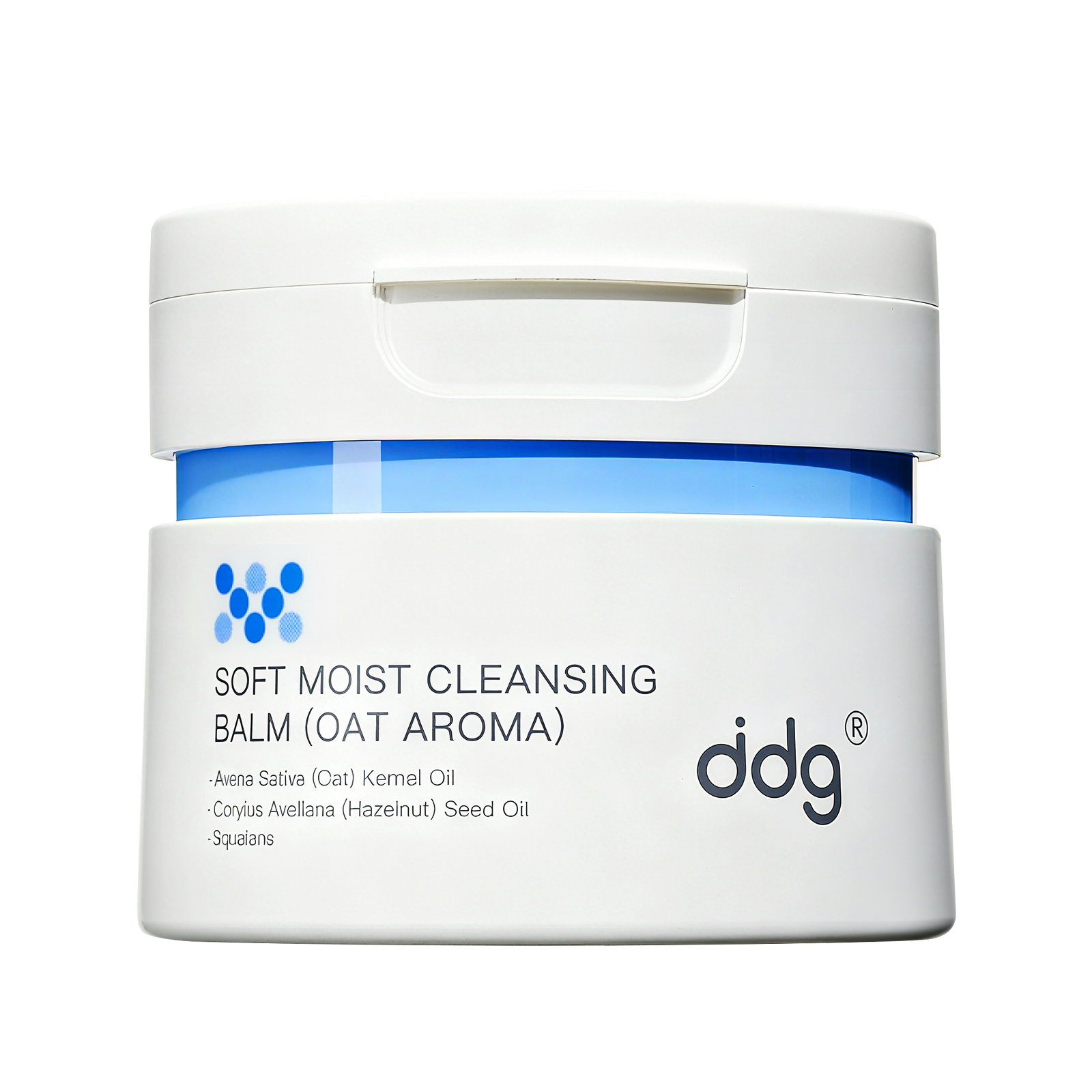
ddg Makeup Remover Cleansing Balm
An optional first cleanse for makeup or water-resistant sunscreen days, when a balm texture suits your routine.
Use code WIN10 for 10% off
View Cleansing Balm
Step 2: add hydration while skin is still slightly damp
Hydration and moisturization are related but not identical. Hydrating layers are often water-based and can help skin feel more comfortable. Moisturizers combine different ingredient types—humectants, emollients, and sometimes occlusives—to help reduce the feeling of dryness and support a softer surface feel.
After cleansing, apply a familiar hydrating toner or serum to slightly damp skin if it does not sting. You do not need multiple hydrating products; one comfortable layer is enough to test the routine. Ingredients often used in hydrating formulas include glycerin, hyaluronic acid, panthenol, and beta-glucan. Ingredient names are not a guarantee, so your own comfort and tolerance still matter.
Pat products in with clean hands rather than rubbing vigorously. If your skin is very reactive, fewer layers are often easier to assess than a long sequence of essences, mists, and serums.
Step 3: moisturize with a barrier-minded formula you can tolerate
This is the anchor step of a simple skin barrier routine. Look for a moisturizer texture that feels comfortable enough to use consistently: a light lotion may suit warm weather or oilier areas, while a richer cream may feel better when skin is dry. You do not have to choose the thickest product available. The practical question is whether your skin feels comfortable after application and through the next few hours.
Ceramides are commonly included in barrier-supportive moisturizers because they are skin-identical lipids. Other supportive categories include emollients that soften the surface and occlusive ingredients that help limit moisture loss. A formula does not need every possible category to be useful; avoid turning ingredient lists into a scavenger hunt.
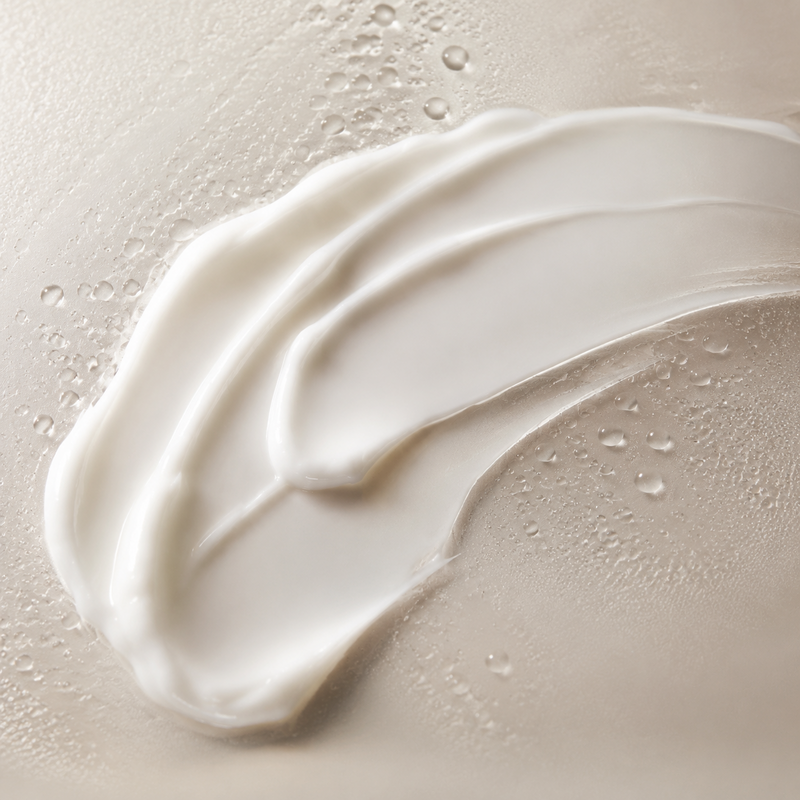
For readers who prefer a coordinated three-step option, the current 28-Day Glass Skin Renewal Set combines toner, serum, and lotion. The catalog describes ceramide, peptide, and hyaluronic-acid components; use it only if the full routine fits your preferences, budget, and tolerance. It is not a substitute for medical care and does not guarantee a specific result.
Step 4: keep daytime protection uncomplicated
In the morning, finish with a broad-spectrum sunscreen you already tolerate. Sun protection is a daily habit, not a punishment for having sensitive skin. Choose a texture you are willing to apply at a useful amount, and reapply according to the product directions and your exposure. Hats and shade can be useful additions when you are outdoors for longer periods.
If sunscreen stings, pills, or feels incompatible with your moisturizer, change only one of those variables at a time. For example, let a new moisturizer settle for several days before deciding that the sunscreen is the issue. This prevents a frustrating cycle of replacing everything at once.
Step 5: reintroduce “extras” deliberately, not all at once
Once the core routine feels comfortable and predictable, decide what you actually miss. Maybe it is an exfoliant, a retinoid, vitamin C, a clay mask, or a stronger acne-focused product. Add one item back at a time, at a frequency your skin tolerates, and keep the rest of the routine stable. Patch testing can be helpful, but it cannot predict every reaction on the face.
Exfoliation is a common place where routine enthusiasm can outrun tolerance. If you choose to return to it, start conservatively and skip it when your skin already feels uncomfortable. Read how to exfoliate sensitive skin safely for a separate, detailed discussion of frequency and product types.
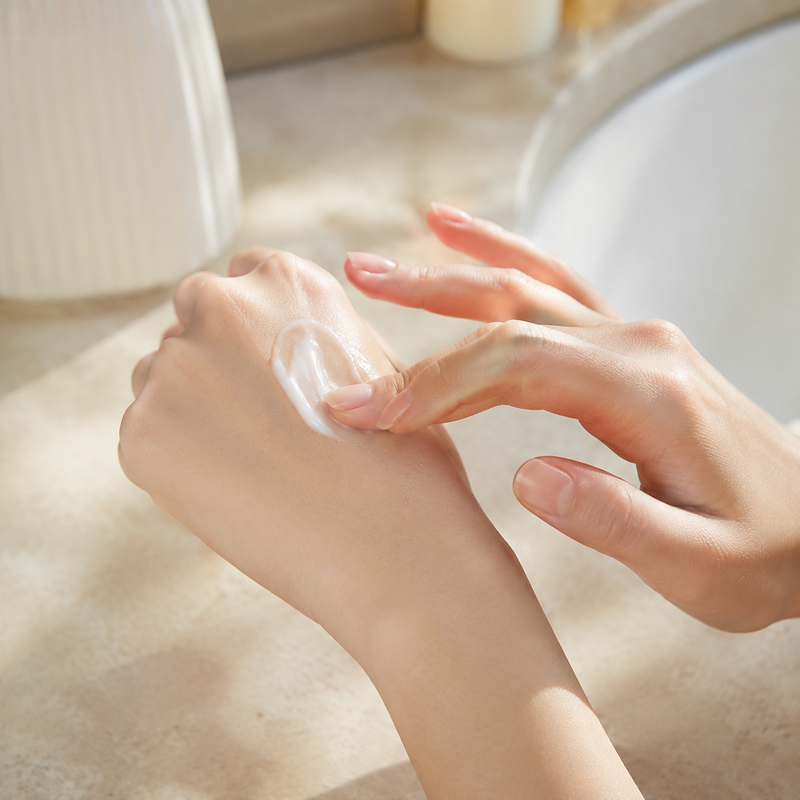
Your simple morning and evening checklist
Morning
- Rinse or gently cleanse if needed.
- Apply one familiar hydrating layer if it feels comfortable.
- Use moisturizer as needed for comfort.
- Finish with broad-spectrum sunscreen.
Evening
- Remove makeup or sunscreen gently when needed.
- Use a mild cleanse without scrubbing.
- Apply one hydrating layer if desired.
- Apply moisturizer.
- Keep optional actives separate and introduce them slowly.
A routine can be effective because it is repeatable, not because it is long. If you are unsure where to begin, compare this checklist with our sensitive skin routine guide and keep the version that feels easiest to maintain.
How to choose products without building a ten-step routine
Start by looking at function rather than marketing labels. You need a way to cleanse, something that helps your skin feel hydrated if you enjoy that step, a moisturizer, and daytime sunscreen. A product can serve more than one role, and you do not need a matching collection for the routine to work. Fragrance-free or minimal formulas can be worth considering for people who know fragrance is a trigger for them, but individual tolerance still varies.
For moisturizers, texture is a practical decision. A lotion can feel easier in humid weather, while a cream may feel more comfortable on dry areas. For cleansers, pay attention to how your face feels ten minutes after rinsing rather than judging the product only by foam or scent. If you wear makeup or water-resistant sunscreen, a balm or oil-based first cleanse can be a useful format because it may reduce rubbing; it is not a mandatory extra step.
Patch testing a new cosmetic product on a small area can be a cautious habit, but it cannot predict every reaction. Introduce new products one at a time, keep a short note of dates and sensations, and stop if you have a concerning reaction. This approach gives you information without turning routine care into a stressful experiment.
An optional coordinated routine, with realistic expectations
If you prefer a simple three-step format instead of choosing separate toner, serum, and lotion, the current 28-Day Glass Skin Renewal Set is listed as a toner, serum, and lotion set. Its catalog lists ceramide, peptide, and hyaluronic-acid components. It is an optional product format, not a promise that a set will solve every cause of sensitivity, redness, or dryness.

28-Day Glass Skin Renewal Set
A coordinated toner, serum and lotion option for readers who prefer a simple three-step format.
Use code WIN10 for 10% off
View the routine set
Before purchasing any product, review the live product page for current ingredients, price, availability, and suitability information. Your routine can remain simple whether you choose one product, separate products, or no new products at all.
What to pause—and how to add things back
When skin feels overwhelmed, the point of a reset is not to declare certain ingredients permanently off-limits. It is to lower the number of moving parts. Consider pausing optional steps that seem to correlate with discomfort, especially frequent exfoliation, harsh scrubs, strong masks, or multiple new treatments introduced close together. Keep the products that feel predictable and comfortable.
When you decide to reintroduce an optional product, choose one at a time and use it less often than your previous routine at first. Pay attention to practical signals: immediate stinging, lingering discomfort, unusual dryness, or a pattern that repeats after use. If you are unsure, return to the basic routine rather than layering more products to counteract the reaction.
This is also a good time to look at habits around the products: very hot water, rough towels, scrubbing tools, and frequent switching can make a simple routine harder to evaluate. Small technique changes often make the routine feel more manageable without requiring a shopping list.
How to tell whether your routine is becoming easier to live with
Instead of watching for a dramatic daily transformation, track practical signals: Does cleansing feel less harsh? Does moisturizer feel comfortable for longer? Are you less tempted to apply several rescue products? Are you able to use sunscreen without stinging or piling? These are useful observations because they help you decide whether to keep a routine steady.
Keep expectations realistic. Cosmetic routines can support comfort and appearance, but they cannot diagnose or treat every cause of redness, irritation, breakouts, or scaling. Seek professional advice for symptoms that are severe, sudden, persistent, painful, or accompanied by swelling, discharge, or signs of infection.

Common questions
How many products do I need for a skin barrier routine?
Many people can start with a gentle cleanse, moisturizer, and daytime sunscreen. A hydrating layer can be optional. Add other products only when you have a clear reason and can introduce them one at a time.
Should I stop all active ingredients?
That depends on your skin, products, and symptoms. A short simplification period can make a routine easier to assess, but persistent or severe irritation deserves professional guidance rather than trial-and-error.
Are ceramides the only ingredients that matter?
No. Ceramides are one commonly used ingredient category, but a comfortable formula and gentle routine habits matter too. Choose products based on tolerance, texture, and your own needs rather than a single trend ingredient.
Can oily skin use a barrier routine?
Yes. Oily skin can still feel dehydrated or uncomfortable. The adjustment may be texture and amount: a lighter lotion and fewer layers may be preferable to a heavy routine.