
Short answer: Remove SFX makeup by identifying what is on the skin, taking off prosthetics or adhesives with the remover specified for them, then working a cleansing balm over the remaining face paint and makeup in small sections. Add water to emulsify, rinse, and repeat only where residue remains. Keep glitter, pigments, and removers away from the eyes unless their labels allow eye-area use.
Collaboration disclosure: The creator examples linked below came from paid ddg collaborations. They illustrate real creative-makeup situations. They do not establish that one remover is suitable for every pigment, adhesive, prosthetic, or skin type.
Key takeaways
- Identify face paint, long-wear makeup, glitter, latex, and adhesive before choosing a remover.
- Use the prosthetic or lash adhesive manufacturer’s removal directions first.
- Work in sections and let the remover loosen makeup before wiping or rinsing.
- Stop around the eye area if a product stings or if the label does not permit that use.
Why SFX removal needs a plan
Creative looks can combine foundation, cream pigment, water-activated paint, setting products, glitter, false lashes, latex, wax, and adhesive. Those materials do not all dissolve the same way. Rubbing the entire face with one wipe often spreads pigment and increases friction without addressing the adhesive underneath.
A public Instagram Reel from SFX artist Hannah Joy shows a stitched broken-heart look being removed with ddg Cleansing Balm. Her related TikTok post names the same SFX removal scenario. Other paid creator captions place the balm in full-glam contexts, including Asha G’s full-glam post and fatherrlex’s dramatic makeup post. These examples show the use case. Your exact products still determine the safest order.
Step 1: sort the products on your face
| Material | First removal question |
|---|---|
| Water-activated face paint | Does the label call for water, cleanser, or a specific remover? |
| Cream or grease paint | Will an oil-based remover or balm loosen it without hard rubbing? |
| Cosmetic glitter | Is it approved for the area where it was applied, especially near the eyes? |
| False lashes or prosthetic adhesive | What remover does the adhesive manufacturer specify? |
| Latex, wax, or prosthetic pieces | Can the edge be released safely before cleansing the skin beneath it? |
The U.S. Food and Drug Administration advises following the directions for novelty makeup and using products only in the areas allowed by the label. Its guidance also notes that some materials suitable for the skin may not be suitable near the eyes. Start with labels, especially when a look combines products from several brands.
Step 2: remove prosthetics and adhesive as directed
Do not pull a prosthetic from dry skin or assume cleansing balm can replace a dedicated adhesive remover. Loosen the edge with the remover specified by the adhesive or prosthetic maker. Work slowly and keep the liquid out of the eyes. If you are unsure what adhesive was used, identify it before removal.
False lashes deserve the same care. Remove contact lenses before taking off eye makeup if your eye-care professional directs you to do so, and use only products intended for the eye area. The FDA advises stopping immediately when an eye cosmetic causes irritation.
Step 3: work the cleansing balm in sections
- Start with dry hands and dry skin. Use the amount stated on the product directions.
- Choose one area. Forehead, cheeks, chin, and neck are easier to evaluate separately than one pigment-covered surface.
- Massage gently. Give the balm time to mix with makeup. Pressing harder is not the same as giving it contact time.
- Keep the eye area separate. Use an appropriate eye makeup remover when the balm label or your eye products call for one.
- Add water. Massage again as the balm emulsifies into a milky layer.
- Rinse with lukewarm water. Use fingertips or a soft, clean cloth if the directions permit it. Avoid a rough scrub.
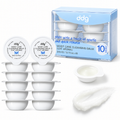
For the basic technique, see How to Use a Cleansing Balm. The current ddg Cleansing Balm page contains the live formula, directions, and availability.
Step 4: check for residue before cleansing again
Look along the hairline, brows, sides of the nose, jaw, and any place where pigment layers overlapped. A second pass on one small area may be more comfortable than repeating the entire routine. If the skin feels clean and comfortable after rinsing, another full cleanse may be unnecessary. If residue remains, use a mild second cleanser and lukewarm water.
The American Academy of Dermatology recommends removing makeup before bed, cleansing gently with the fingertips, and avoiding scrubbing. That advice is especially useful after a long creative session, when impatience can turn a careful removal job into unnecessary friction.
Step 5: finish with a quiet routine
Pat the skin dry and apply a familiar moisturizer if needed. Skip a new acid, scrub, or several experimental products on the same night. Heavy makeup removal already gives you enough variables to evaluate. Persistent burning, swelling, rash, or eye discomfort calls for medical advice.
If your look includes water-resistant mascara or lip color without prosthetics, use the more focused guide to removing waterproof makeup. If you react easily to fragrance or botanical ingredients, review how to choose a cleansing balm for sensitive skin before testing a new formula.
Common mistakes
- Pulling instead of dissolving: adhesives and prosthetics need the right release step.
- Using body glitter around the eyes: placement must match the product’s approved use.
- Relying on a rough wipe: repeated friction can make removal feel more irritating.
- Mixing every remover at once: work in sections so you can tell what is effective.
- Calling one creator clip a test: a sponsored demonstration is useful context, not independent proof.
Frequently asked questions
Can cleansing balm remove SFX makeup?
It can be useful for many makeup and face-paint layers, but it is not a universal adhesive remover. Follow the label for every pigment, glitter, prosthetic, and adhesive in the look.
Should I use cleansing balm on latex or spirit gum?
Use the removal directions provided by the latex, prosthetic, or adhesive manufacturer. Release those materials before using balm on the remaining cosmetic residue.
Can I use the same balm around my eyes?
Only when the product label allows that use and it feels comfortable. FDA guidance says to use products near the eyes only when they are intended for that area and to stop if irritation occurs.
Do I need to double cleanse after heavy makeup?
Check the first cleanser’s directions and the skin after rinsing. Use a gentle second cleanse when residue remains or your routine calls for it. Avoid repeating the whole process automatically when the skin is already clean.
Sources and creator examples
- FDA: Novelty Makeup and special-effects safety
- FDA: Eye Cosmetic Safety Q&A
- American Academy of Dermatology: makeup and gentle removal
- Hannah Joy paid collaboration on Instagram
This article provides general cosmetic-use information. It does not diagnose or treat a skin or eye condition. Creator links are paid collaboration examples; results vary.
