
Makeup Remover Guide: Balm, Oil and Micellar Water
Choose a makeup remover based on the makeup you wear and whether you prefer rinsing or wiping. A cleansing balm or oil is a rinse-off option for makeup and sunscreen; micellar water can fit light makeup or touch-ups. Follow the directions for your chosen formula.
Compare makeup remover balm with oil and micellar water, or follow our guide to removing waterproof makeup.
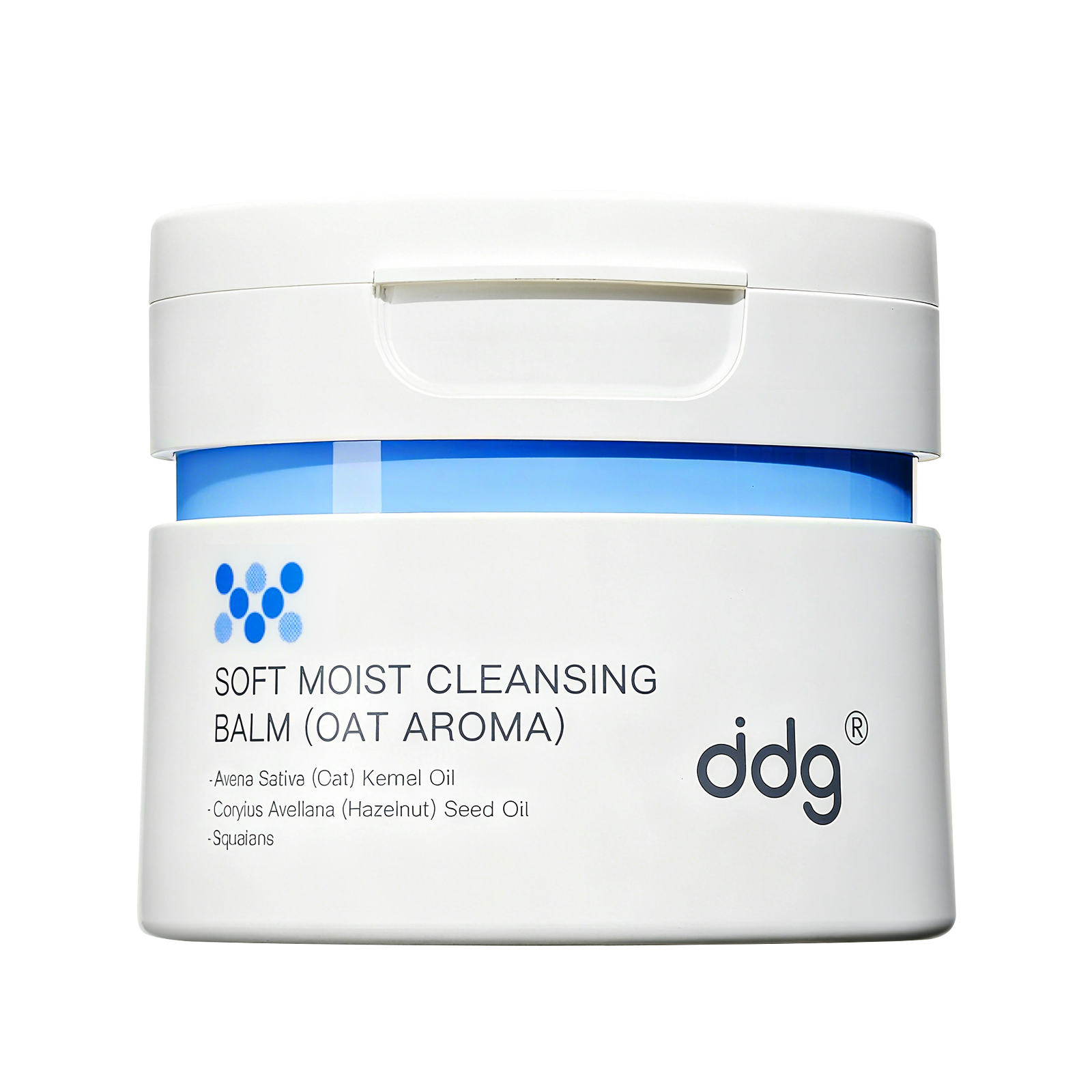
Shop ddg Makeup Remover Balm
Choose a Makeup Remover by What You Wear
The right method depends on the makeup you wear, how much friction your skin tolerates, and whether you prefer a rinse-off or wipe-off routine.
Everyday Makeup
For foundation, blush, and sunscreen, use a rinse-off cleanser that can dissolve oil-based residue.
See the 3-step methodWaterproof Eye Makeup
Let an oil-based texture sit briefly before gently gliding it away; avoid pulling at the eye area.
Read the eye-makeup FAQSPF-Only Evenings
A gentle first cleanse can help remove sunscreen before the rest of your evening routine.
Explore cleansing balmChoosing a Texture
Compare solid balm, liquid oil, micellar water, and wipes by technique rather than marketing claims.
Compare makeup removersMakeup Remover Options: Balm, Micellar Water, Wipes, or Cleansing Oil?
No single makeup remover is right for every person. This comparison highlights practical differences so you can choose the method that fits your routine.
| Method | Useful For | What to Consider |
|---|---|---|
| Cleansing Balm | Makeup, sunscreen, and waterproof formulas | Massage on dry skin, then emulsify and rinse thoroughly |
| Micellar Water | Light makeup or quick touch-ups | Usually relies on a cotton pad; follow the product directions for rinse-off guidance |
| Makeup Wipes | Convenience when a full cleanse is not possible | Repeated wiping can add friction, especially around the eyes |
| Cleansing Oil | Makeup and sunscreen when you prefer a liquid texture | Like balm, it should emulsify with water and rinse clean |
If you prefer a solid, travel-friendly oil cleanser, a makeup remover balm is the more specific product format. For a broader explanation of the category, see the cleansing balm guide.
How to Remove Makeup With a Cleansing Balm
1. Start dry
With dry hands and dry skin, warm a small amount of balm between your fingertips until it becomes an oil.
2. Let the product do the work
Massage gently over makeup and sunscreen. For waterproof eye makeup, hold the oil over the area briefly before gliding rather than rubbing.
3. Emulsify and rinse
Add a little lukewarm water until the balm turns milky, then rinse thoroughly. Follow with a gentle water-based cleanser if you prefer a second cleanse.
Need a more detailed technique? Read how to use a cleansing balm step by step.
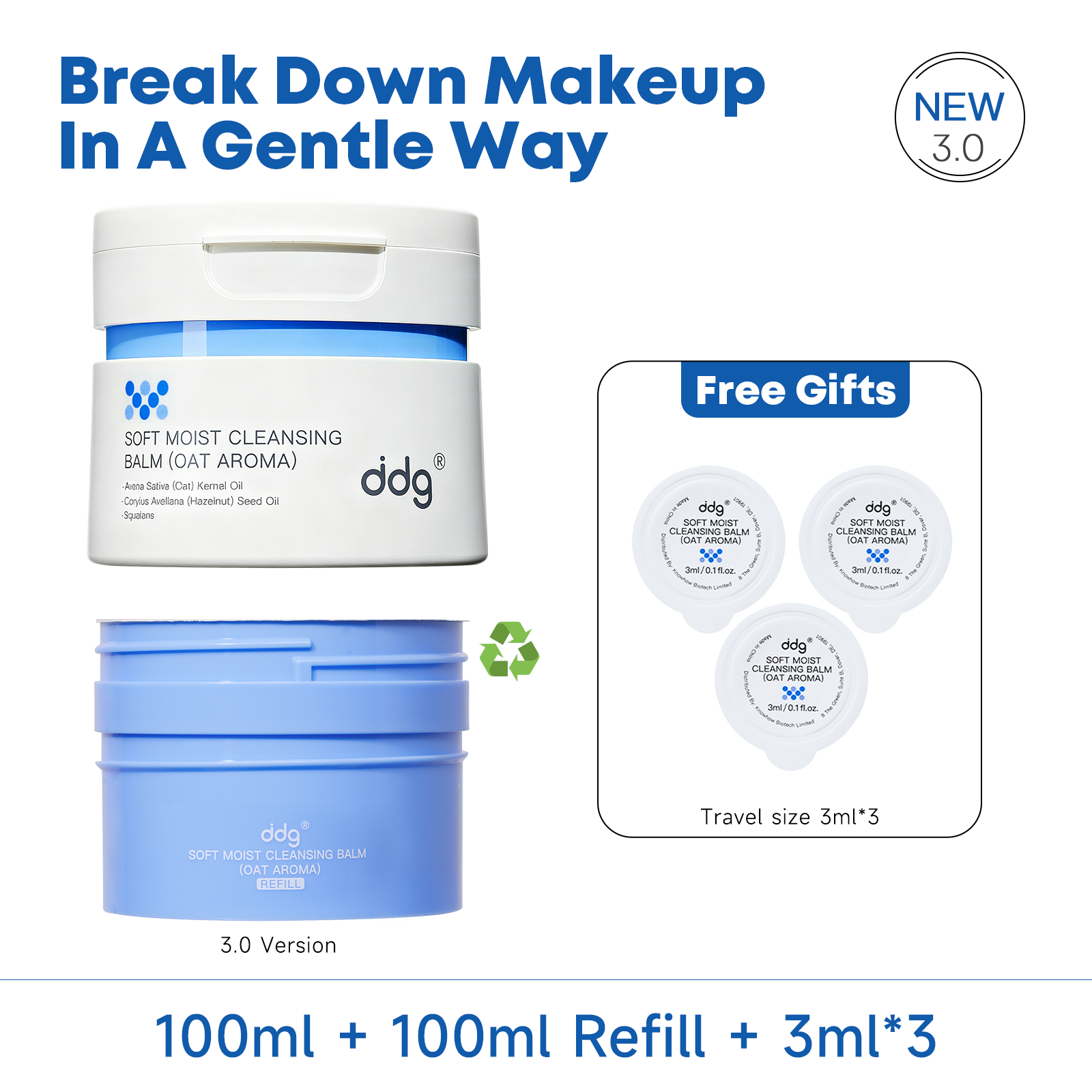
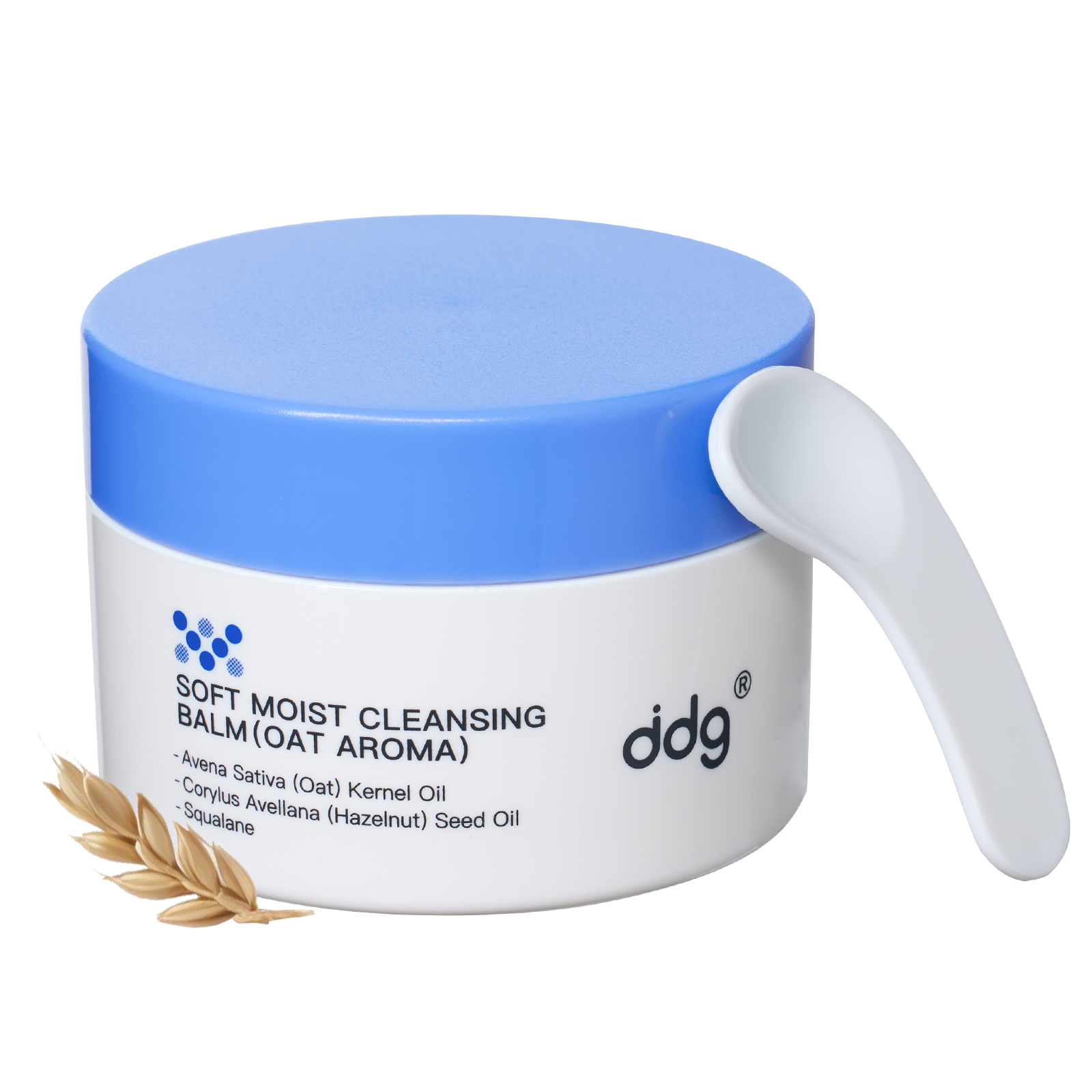
Choose Your ddg Makeup Remover Format
Makeup Remover FAQs
What is a makeup remover?
A makeup remover is a product or method that helps lift makeup, sunscreen, and daily buildup before rinsing or cleansing. The best format depends on what you wear and how you prefer to cleanse.
Can a makeup remover remove waterproof makeup?
Oil-based textures such as cleansing balms and cleansing oils are often used for waterproof mascara, liner, and long-wear makeup because they dissolve oil-based residue. Use gentle pressure and rinse thoroughly.
Do I need to wash my face after makeup remover?
It depends on the remover and your routine. Rinse-off balms and oils should be emulsified and rinsed. You can follow with a gentle water-based cleanser when you prefer a double cleanse or have worn heavier makeup.
Is a cleansing balm or micellar water better for makeup removal?
Neither is universally better. A balm is a rinse-off option for makeup and sunscreen; micellar water can suit light makeup or touch-ups. Choose based on your routine, skin comfort, and the product directions.
How do I remove eye makeup without rubbing?
Apply a suitable remover with clean fingertips or a soft pad, let it sit briefly on the makeup, then glide it away with minimal pressure. Avoid tugging and rinse carefully.
Can I use a makeup remover if my skin is sensitive?
Choose a formula and technique that feel comfortable for your skin, avoid aggressive rubbing, and review the current ingredient list. Patch-test a new product when appropriate and stop use if irritation occurs.
How often should I use makeup remover?
Use it when you need to remove makeup or sunscreen, usually in the evening. Adjust the method and frequency to your makeup use and how your skin responds.
What is the return policy for orders from ddgbeauty.com?
For orders placed on ddgbeauty.com, request a return within 14 calendar days after carrier-confirmed delivery. Clearance products are final sale. Customers pay return shipping for non-quality returns. For a confirmed quality issue, damaged or defective item, or incorrect item, ddgbeauty covers return shipping or provides another appropriate resolution. Email support@ddgbeauty.com before sending a return. Read the Return & Refund Policy.
What results does ddg publish for the cleansing balm?
Our official cleansing balm product page reports instrumental testing of the finished formula: skin hydration +21.34%, visible pore count −56.81%, transepidermal water loss −28.41%, and forehead oil levels −62.77%. Individual results may vary. View the official product page and test-results graphic.
Start With a Makeup Removal Method That Fits
For daily makeup and sunscreen, start with a gentle rinse-off balm and adapt the second-cleanse step to your routine.
Shop ddg Makeup Remover Balm