What Is Cleansing Balm? How It Works & Who Should Use It
If you have ever wondered what is cleansing balm — the thick, balmy cleanser that melts into an oil the moment it touches your skin — you are not alone. This beginner-friendly guide breaks down how balm cleansers work, what they are actually used for, and how to tell whether one belongs in your routine.
- The simple definition of a cleansing balm and how it differs from a gel or foam cleanser
- How the oil-dissolves-oil mechanism removes makeup, sunscreen, and daily grime
- Which skin types — including sensitive skin — tend to benefit most
- How to add a cleansing balm to your routine without over-complicating it
Most of us were taught that clean skin comes from foam and squeaky friction. Then a thick, solid balm appears, melts into a silky oil at body temperature, and suddenly removes a full face of makeup in seconds. It feels almost like a magic trick — but the science behind it is refreshingly straightforward. Here is what a cleansing balm really is, why formulators make them this way, and who should consider switching.
If you are new to this texture, our complete cleansing balm guide walks through how balms work, who they suit best, and how to pick the right formula.
What Exactly Is a Cleansing Balm?
A cleansing balm is a solid (or semi-solid) oil-based cleanser that turns into a milky emulsion when massaged onto damp or dry skin and rinsed with water. Think of it as a concentrated, butter-like version of a cleansing oil: rich in oils and emulsifiers, with just enough structure to hold its shape in the jar.
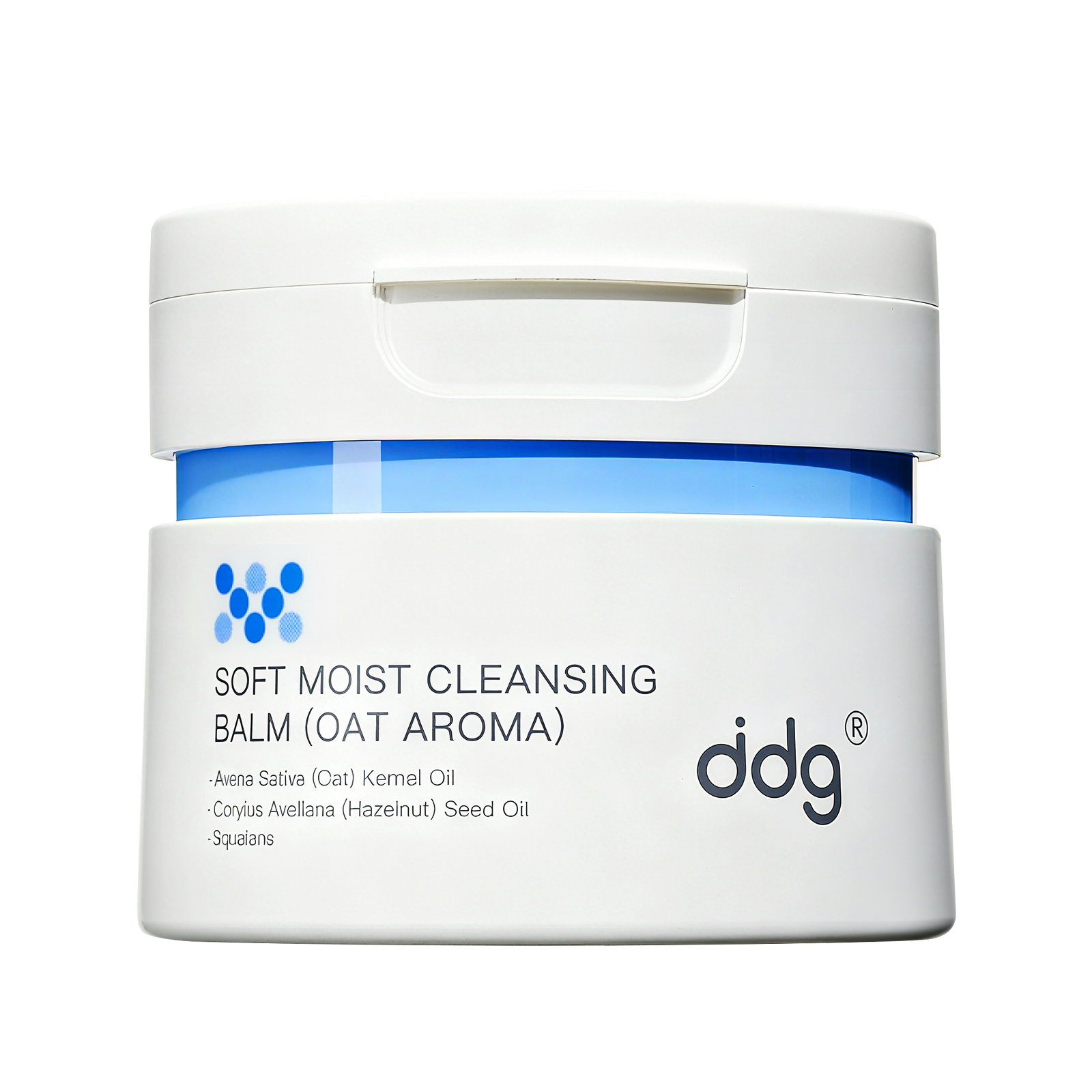
When you scoop out a small amount, the balm's natural oils — often plant-derived, such as oat kernel oil or squalane — soften and dissolve the oils already sitting on your skin. That includes sebum, waterproof sunscreen film, long-wear foundation, and the day's environmental grime. Then water-soluble emulsifiers in the formula allow everything to rinse away cleanly, leaving skin soft rather than stripped.
Because balms are oil-based by design, they sit in a different category from gel, foam, and cream cleansers. A gel or foam cleanser relies on surfactants (detergent-like agents) and water to wash the face, which works well for daily pollution and sweat. A balm, by contrast, is built for dissolving stubborn, oil-based residues — the kind that water-based cleansers often leave behind.
How Does a Cleansing Balm Work?
To understand how a cleansing balm works, it helps to remember one chemistry rule: like dissolves like. The oils in a balm are attracted to the oils on your face. When you massage the melted balm into your skin, it surrounds and lifts sebum, makeup pigments, and sunscreen filters, breaking the bonds that keep them stuck to your skin.
Two formulation choices make this possible:
- Carrier oils and butters — the melt-able base that softens and dissolves oil-based residue. Ingredients like squalane and oat kernel oil are popular because they are lightweight, non-comedogenic, and gentle on the skin barrier.
- Emulsifiers — the bridge between oil and water. When you add water and massage again, emulsifiers help the oil-and-water mixture form a milk-like emulsion that rinses off easily, so the oils do not simply sit on top of your face.
The melting point matters too. A good balm is solid at room temperature but melts at skin temperature (around 32–35 °C), which is why it spreads like an oil the moment it touches your hands or face. This is a deliberate design choice: solid in the jar for a mess-free scoop, liquid on the skin for gentle glide and thorough coverage.
What Is a Cleansing Balm Used For?
Cleansing balms are used for one primary job — removing oil-based buildup from the skin — and that one job covers several everyday situations:
- Makeup removal: foundation, concealer, mascara, and long-wear lip products are typically oil-based or waterproof, which makes them the balm's natural target.
- Sunscreen removal: modern UV filters, especially water-resistant ones, are designed to stay put. A balm dissolves that film more effectively than a plain foaming wash.
- First-step cleansing: in a double-cleansing routine, the balm is the first step (oil cleanse), followed by a water-based cleanser for anything left behind.
- Gentle daily cleansing: for people who find foam cleansers drying, a balm can serve as a standalone cleanser for light makeup days or morning routines.
The common thread is surface oil. If a product or pollutant is designed to resist water, a water-based cleanser alone may not fully shift it. A cleansing balm handles that job first, and your regular cleanser finishes the rest — which is exactly why balms are so common in double-cleansing routines.
Cleansing Balm vs Cleanser: What's the Difference?
The shortest way to compare a cleansing balm vs cleanser is this: a cleanser is any product that cleanses your skin, and a cleansing balm is one specific format of cleanser. But within that umbrella, the practical differences are worth knowing:
- Base: balms are oil-based and solid; gel, foam, and cream cleansers are water-based and liquid.
- Mechanism: balms dissolve oil with oil; foaming cleansers lift dirt with surfactants and water.
- Feel: balms rinse to a soft, moisturized finish; foams can leave skin feeling tight or squeaky if they are too stripping.
- Best use: balms shine at removing makeup and sunscreen; water-based cleansers are great for sweat, dust, and a quick refresh.
Neither format is "better" in absolute terms — they are tools for different layers of the cleaning job. Many people use a balm in the evening to remove makeup and sunscreen, then follow with their usual gel or foam cleanser. In the morning, when skin only has overnight oil and skincare residue, a water-based cleanser (or even just water) is often enough.
If you already have a cleanser you love, a cleansing balm is not a replacement so much as an upgrade to your first step — one that makes the rest of your routine work on cleaner skin.
Is Cleansing Balm Good for Sensitive Skin?
A common hesitation is: "My skin is sensitive — isn't oil and massaging too much?" In practice, a well-formulated cleansing balm is often more comfortable for sensitive skin than a foaming cleanser, for three reasons.
First, the cleansing action is gentle. Because a balm dissolves oil instead of scrubbing with friction or aggressive surfactants, it removes makeup with less mechanical stress. Second, oil-based cleansing leaves the skin barrier's natural lipids more intact than strong foaming formulas, which can strip ceramides and leave skin feeling tight. Third, balms give you control: you decide how much pressure to use, and the formula does the heavy lifting.
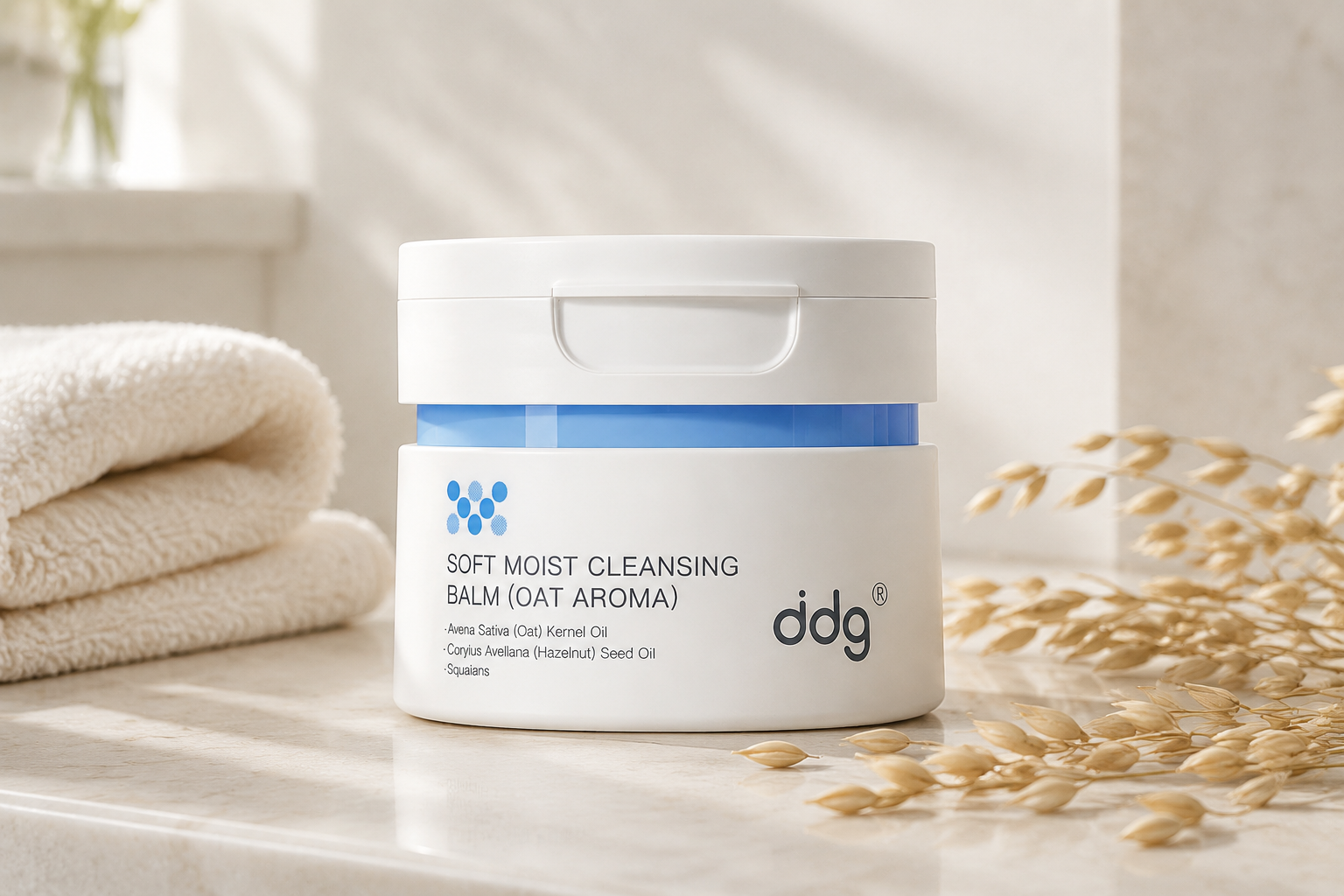
That said, the ingredient list decides whether a balm is truly sensitive-skin-friendly. Look for formulas built on soothing, well-tolerated oils and skip anything heavy on fragrance or essential oils if your skin reacts easily. The ddg Makeup Remover Cleansing Balm, for example, is built around oat kernel oil and squalane — two ingredients often used in sensitive-skin formulations — with a soft oat-milk scent rather than a strong fragrance, and it is commonly chosen by people managing redness or acne-prone, easily irritated skin. For a fuller picture of layering a gentle routine around a reactive complexion, see our guide to a sensitive skin routine that actually respects your barrier.
What the Research Says
Skincare research on cleansing formats points in a fairly consistent direction: the goal of cleansing is to remove impurities without damaging the skin barrier, and gentler, less stripping methods tend to support barrier health better over time.
Dermatology guidance on cleansing generally emphasizes avoiding excessive washing, harsh scrubbing, and high-foam formulas that strip natural oils — particularly for people with dry or sensitive skin. Oil-based cleansing fits naturally into this guidance because it removes oil-soluble buildup with minimal friction. The "like dissolves like" principle that underpins balm cleansing is standard formulation science, not a marketing trick.
On ingredients, oat-derived compounds and squalane are widely used in sensitive-skin skincare because of their soothing, skin-compatible profiles. Squalane in particular is a molecule the skin already produces, which helps explain why it is so well tolerated. It is worth noting that individual results vary, and most of the published evidence on specific ingredients comes from controlled cosmetic studies rather than large clinical trials — so the practical takeaway is to treat these as well-tolerated, well-understood ingredients, not as medical treatments.
One area where balms genuinely outperform water-based cleansers is sunscreen and makeup removal: water-resistant formulas are engineered to survive water, so removing them usually requires an oil phase. If your sunscreen is water-resistant and your current cleanser leaves a residue, that is a signal worth acting on. And if your skin is prone to congestion, combining a balm first step with the right exfoliation cadence can help — see our guide on how to exfoliate sensitive skin safely.
Cleansing Balm Benefits
If you are weighing whether to introduce a balm, these are the benefits that show up most consistently in practice:
- Thorough makeup and sunscreen removal — the balm's core job, done in one gentle step.
- Less friction and tugging — you massage, you do not scrub, which matters for delicate eye and cheek areas.
- Barrier-friendly finish — oil-based cleansing tends to leave skin soft and hydrated instead of tight and stripped.
- One product, many uses — lipstick, mascara, sunscreen, and city grime can all be handled by the same scoop.
- Travel-friendly and mess-free — solid format means no leaks in a toiletry bag, and a little goes a long way.
None of these benefits requires an elaborate routine. A balm replaces the "oil remover" step you may have been doing with cotton pads and eye makeup remover — often with less waste and fewer products.
How to Add a Cleansing Balm to Your Routine
Adding a cleansing balm is one of the easiest routine upgrades, because it slots in exactly where you already remove makeup or sunscreen. Here is the sequence most people use:
- Scoop a small amount — about half a pea to a bean-sized amount is usually enough; you can add more if needed.
- Rub between dry hands to warm and melt the balm into an oil.
- Massage onto dry skin in gentle circular motions, focusing on areas with makeup, sunscreen, and congestion. Give it roughly 15 seconds of contact.
- Add a splash of warm water and keep massaging — the balm will turn milky as it emulsifies.
- Rinse thoroughly, then follow with your regular water-based cleanser if you prefer double cleansing, or continue with the rest of your routine.
For most people, the balm becomes the evening first step, while the morning stays light. If you are building a streamlined routine from scratch, our guide to a minimalist skincare routine shows how a balm, a cleanser, a moisturizer, and sunscreen can cover nearly everything.
Our Top Pick: ddg Makeup Remover Cleansing Balm (100 ml)
A gentle oat-kernel-oil and squalane balm that melts makeup and sunscreen in about 15 seconds and rinses clean — no second cleanse needed. Popular with sensitive, redness-prone, and acne-prone skin.
Key Takeaways
- A cleansing balm is a solid, oil-based cleanser that melts on contact and dissolves makeup, sunscreen, and sebum — then emulsifies with water and rinses clean.
- It works on the like-dissolves-like principle: oil in the balm lifts oil-based residue with gentle massaging, not scrubbing.
- It is the natural first step for double cleansing and especially effective at removing water-resistant sunscreen and long-wear makeup.
- For sensitive skin, a fragrance-conscious balm with soothing oils (like oat kernel oil and squalane) is often gentler than a stripping foaming cleanser.
- You do not need to change your whole routine — the balm simply replaces or upgrades your makeup-removal step.
Frequently Asked Questions
Is cleansing balm good for sensitive skin?
Yes, for most people — provided the formula is gentle. Oil-based cleansing removes makeup with less friction and is less likely to strip the skin barrier than harsh foaming cleansers. Choose a fragrance-conscious balm with soothing ingredients such as oat kernel oil and squalane, and patch-test before your first full use.
Can I use a cleansing balm every day?
Yes. Daily use is generally fine, and it is a common evening first step for people who wear makeup or water-resistant sunscreen. If you use it as a standalone cleanser on light days, simply follow your skin's lead — if skin feels comfortable and clean, daily use is working well for you.
Do I need a second cleanser after a cleansing balm?
Not always. Many balms, including ddg's formula, are designed to rinse clean on their own. Some people prefer to follow with a water-based cleanser for the classic double cleanse — that is a preference, not a requirement. If your balm rinses clean and your skin feels balanced, one step is enough.
Does cleansing balm remove waterproof makeup?
Yes — this is one of its strengths. Waterproof and long-wear formulas are designed to resist water, so they respond best to an oil phase. Massage the melted balm over dry skin for about 15 seconds, emulsify with water, and rinse. This typically lifts mascara, liner, and long-wear foundation far more easily than a water-based cleanser alone.
Further reading: