
Short answer: Moisturizer is the broad category; lotion is one format within it. Lotions are usually fluid emulsions that spread easily, while creams and ointments tend to feel richer and form a more noticeable layer. A gel can feel lighter still. Your choice depends on dryness, climate, finish, and the complete formula. The largest word on the front tells you less than the texture, directions, and ingredient list.
Key takeaways
- Every face lotion is a moisturizer, but not every moisturizer is a lotion.
- Texture affects comfort and how much surface sealing a product provides.
- Dry skin may prefer a cream; humid weather or layered routines may favor a lotion or gel.
- Sensitive skin needs a full-label check, because texture alone does not predict tolerance.
Lotion, cream, gel, and ointment compared
| Format | Common feel | Often suits |
|---|---|---|
| Gel | Light, quick-drying | Humid weather or people who dislike richer finishes |
| Lotion | Fluid, easy to spread | Daytime, layering, or normal-to-combination skin preferences |
| Cream | Richer, more cushioning | Dry-feeling skin or cooler, drier conditions |
| Ointment | Greasy, highly occlusive | Very dry areas when the formula and use are appropriate |
These are tendencies, not fixed rules. A rich lotion can feel heavier than a light cream, and ingredient systems vary widely.
How moisturizers work as a formula
Moisturizers commonly combine humectants that bind water, emollients that smooth the surface, and occlusive ingredients that slow water loss. One product can include all three. Ceramides, hyaluronic acid, glycerin, squalane, petrolatum, and plant oils may appear in different combinations, and the formula’s proportions and structure shape the result.
The American Academy of Dermatology describes moisturizer as an umbrella term that can include lotions, gels, creams, and ointments. That is why “lotion vs moisturizer” is not a contest between separate product species. The useful comparison is lotion versus another moisturizing texture.
Why texture changes through the day
A moisturizer that feels light when first applied can become richer once sunscreen and makeup sit on top. The reverse can happen in dry air, when a comfortable lotion no longer feels sufficient by afternoon. Amount, humidity, cleansing, and the products layered above and below all influence the finish.
Evaluate the complete morning or evening routine. If sunscreen pills, reduce the amount of moisturizer or allow each layer to settle rather than abandoning a formula after one crowded application. If skin remains tight, the answer may be a richer texture, not another watery serum.
Ingredients to compare on the back label
Humectants such as glycerin and hyaluronic acid help a formula manage water. Emollients smooth the surface. Occlusive ingredients slow evaporation. Ceramides and other lipids may support a barrier-focused formula. Fragrance, essential oils, exfoliating acids, and botanical extracts can change tolerance even when the front says “lightweight.”
For sensitive skin, FDA notes that terms such as “hypoallergenic,” “fragrance-free,” and “for sensitive skin” do not have a single federal standard that guarantees a reaction-free product. Use the ingredient declaration, directions, and your known triggers together.
Choose by situation, not identity
Someone with oily skin can still prefer a cream in winter, and someone with dry skin may use a lotion under a richer sunscreen. A lightweight lotion can make sense under makeup, while a cream may be more comfortable at night. The category does not lock you into one texture all year.
If you are testing a new face moisturizer, keep the rest of the routine stable and use a small area first when you have a history of reactions. Stop if persistent burning, swelling, or rash appears.
How to choose a face moisturizer
- Start with skin feel. Persistent tightness and flaking may call for a richer texture; a greasy finish may call for a lighter one.
- Factor in climate and layering. The same person may use lotion in summer and cream in winter.
- Read fragrance and ingredient information. “For sensitive skin” is not a federal guarantee of tolerance.
- Test the complete routine. A moisturizer that works alone may pill under sunscreen or makeup if too much is applied.
Where ddg lotion fits
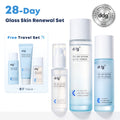
The ddg Fresh Extra Care Lotion is a fragrance-free lightweight moisturizer with Pro-Vitamin B5, skin-identical lipids, and Lactobacillus Ferment Lysate. The individual lotion is currently unavailable. It is also included in the in-stock 28-Day Glass Skin Renewal Set, which is designed to layer toner, serum, then lotion.
Frequently asked questions
Can you use body lotion on your face?
A body lotion may contain fragrance, texture agents, or directions that do not suit facial use. Choose a product labeled for the intended area and follow its directions.
Is lotion enough for dry skin?
Sometimes. If skin still feels tight, a cream or ointment may provide more surface sealing. Persistent or severe dryness may need professional assessment.
Should moisturizer go before sunscreen?
Yes. In a typical morning routine, moisturizer goes before sunscreen unless the product directions say otherwise.
Sources and further reading
- American Academy of Dermatology: choosing a moisturizer
- American Academy of Dermatology: relieving dry skin
- FDA: allergens in cosmetics
This article is educational and does not diagnose or treat a skin condition. Product availability and ingredient lists can change; check the current product page and package before use.

